
Intel Patents Technology That Moves Computing Work From Devices to Cellular Networks
Intel has filed a patent describing a way for phones and other cellular devices to hand off demanding computing tasks to remote hardware over a 5G connection, borrowing a technique that data centers have used for years to move data without bogging down the main processor.
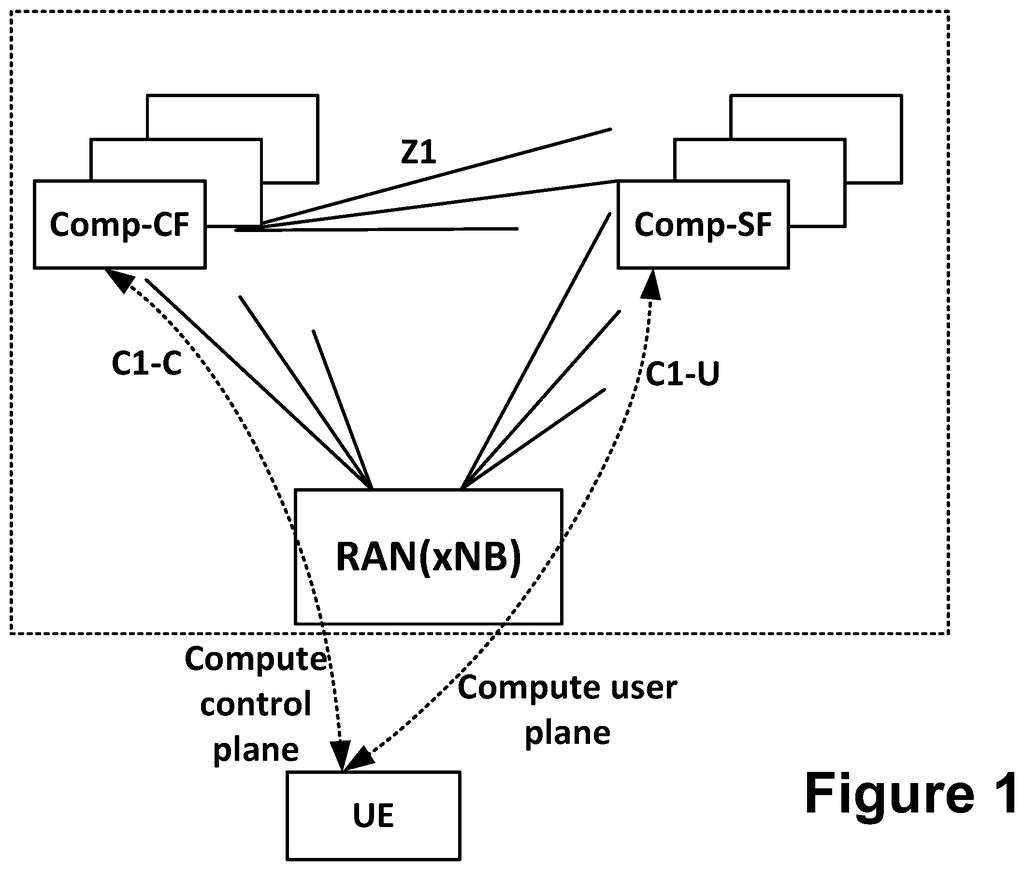
What Intel's cellular compute-offloading idea actually does
A laptop on a factory floor runs a complicated AI model and its battery starts dying. The device has no easy way to push that work somewhere else without a slow, clunky software transfer that taxes its processor even further.
Intel's patent describes a system where your device can tell a 5G cell tower: "I support this fast memory-transfer method, and I'd like to use it to ship this task off to a server." The tower checks whether it also supports the method, and if both sides agree, the offloading starts with far less back-and-forth than a traditional connection would require.
The technique being adapted is called RDMA (Remote Direct Memory Access), which lets one machine read or write another machine's memory without interrupting that machine's main processor. It's widely used inside data centers to move data at high speed. Intel's filing is about bringing that same shortcut to wireless connections.
… encode for transmission to the gNB a radio resource control (RRC) setup request that includes configuration information associated with offloading a computing task from the UE using RoCN wherein the configuration information includes an RDMA or RoCN indicator …
Translation: The device asks the cellular network tower for help by sending a special signal to hand off its processing work.
How a phone requests an RDMA session over 5G
The patent centers on a protocol called RoCN (RDMA over Cellular Network), an adaptation of existing data-center memory-transfer technology for 5G radio links.
Here is how the handshake works:
- The gNB (the 5G base station, think of it as the cell tower's brain) broadcasts system information announcing that it supports RoCN.
- The UE (user equipment, meaning your phone, tablet, or industrial device) picks up that announcement and decides whether it wants to use the feature.
- The device then sends an RRC setup request (a Radio Resource Control message, the standard 5G handshake for setting up a connection) that includes a special flag indicating it wants to use RDMA and what task it wants to offload.
- Once both sides agree, the memory transfer can proceed with the low overhead that RDMA is known for.
The key engineering idea is embedding the RDMA negotiation inside existing 5G control messages rather than inventing a separate channel. That means the feature can potentially layer on top of standard 5G infrastructure rather than requiring entirely new radio hardware.
Various embodiments herein are directed to remote direct memory access (RDMA) support in cellular networks. In particular, some embodiments may relate to enhancements to RDMA over cellular network (RoCN) protocols.
Translation: This patent covers new ways to use fast memory-sharing technology over standard mobile networks.
What this means for compute-heavy phones and edge AI
For everyday users, the most direct benefit would be longer battery life and faster responses on tasks that currently overwhelm a phone or tablet. AI inference (running an AI model to get an answer) is one obvious candidate: instead of burning through local battery, the device ships the job to an edge server over the cellular link and gets the result back.
For Intel, Intel's bet on edge-compute and AI-offloading infrastructure this is part of a broader push to make the hardware that lives between cloud data centers and end devices relevant again. If RDMA-style transfers become a standard part of 5G, the chips and silicon that handle those transfers (areas where Intel competes directly) become much more valuable. Whether cellular networks will actually adopt RoCN at scale is an open question, but standardizing the handshake protocol is where that work has to start.
Intel's 156th filing in our Intel coverage since May adds to a body of work that includes routing signals through a metal frame and measuring distance via road slope.
The design choice here is to piggyback RDMA negotiation onto the existing 5G RRC signaling layer rather than carve out a dedicated channel. That keeps deployment friction low: network operators don't need to rip out infrastructure. The cost is that RRC messages weren't designed for this, and stuffing compute-offload configuration into a connection-setup request adds complexity to a protocol that already has to do a lot of work under tight timing constraints.
That trade is defensible for a first version of a standard, but it is also the kind of shortcut that tends to accumulate technical debt. If RoCN ever handles high-volume, latency-sensitive tasks at scale, the RRC layer may become a bottleneck that nobody planned for.
The underlying idea is genuinely useful: phones and tablets are asked to run AI models they were never designed for, and cellular offloading is a reasonable answer. Whether this particular protocol negotiation survives contact with real-world 5G deployments, where timing and interference are far messier than lab conditions, is the real test.
There are more where this came from
We read every patent application Big Tech publishes and send you the ones worth knowing. Plain English, free, every week.
The drawings
14 drawing sheets from US 2026/0303688 A1 · click any drawing to enlarge


Want this weekly breakdown for a company we don't cover? Patentlyze Pro →
Be the first to weigh in