
Samsung Patents a System That Dials Down Radio Power Based on Body Exposure
Every phone has a legal limit on how much radio energy it's allowed to push into your body — and Samsung is patenting a smarter way to stay under that limit without dropping your call.
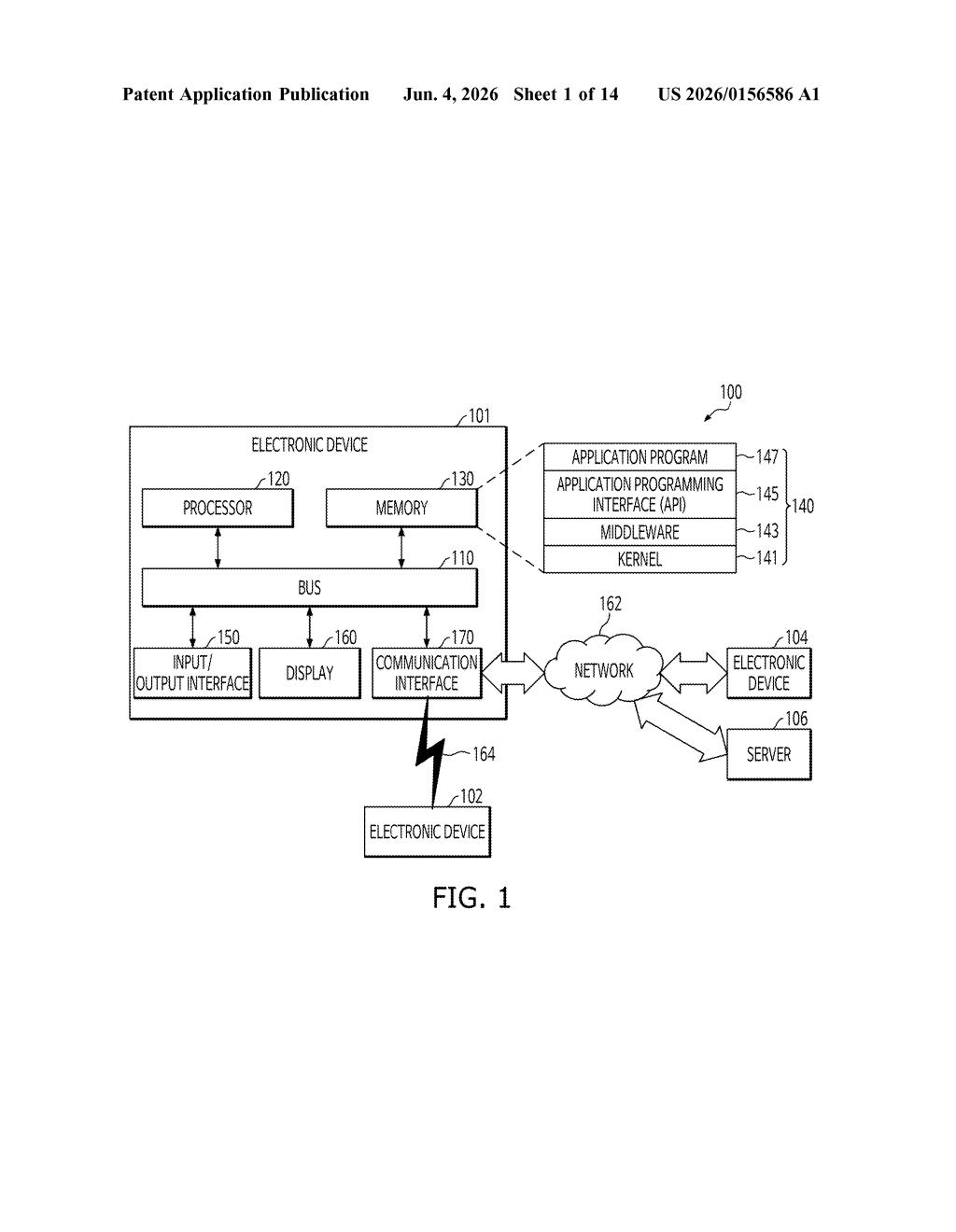
What Samsung's SAR-aware radio throttling actually does
Whenever your phone transmits a cellular or Wi-Fi signal, it generates electromagnetic energy that your body partially absorbs. Regulators measure this as SAR (Specific Absorption Rate), and every phone sold has a legal maximum it can't exceed — especially when you're holding it close to your body.
The problem is that today's phones handle this bluntly: when sensors detect you're getting close to the SAR ceiling, the radio simply backs off its power. That can hurt signal quality or even drop your connection. Samsung's patent describes a more careful approach — before cutting power, the phone first checks whether your connection can survive the reduction. If it can, power drops. If it can't, the phone has other options, like slowing down the data rate instead.
The result is a phone that keeps you within legal radiation limits while doing its best to hold on to your call or data session — rather than just bluntly cutting transmit power and hoping for the best.
How the processor weighs SAR limits against live signal conditions
The patent describes a feedback loop running on the phone's processor that coordinates real-time SAR measurements (readings of how much electromagnetic energy is being absorbed by nearby body tissue) with the radio's current operating state.
Here's the sequence the patent lays out:
- The processor calculates an initial target transmission power — the power level it needs to reach to stay within SAR limits.
- It compares that target against the current transmission power to see if a reduction is actually needed.
- If a reduction is needed, it asks: can the wireless connection survive at this lower power? (This matters because the phone may be far from a tower, or in a weak-signal area.)
- Based on that survivability check, it either reduces transmit power, reduces data throughput (transmission speed), or applies some combination of both.
The key insight is the survivability check — it prevents the phone from blindly cutting power in a situation where doing so would sever the connection entirely. By also having the option to reduce transmission speed (rather than only power), the system has an additional degree of freedom to balance safety compliance against staying connected.
What this means for Galaxy radio safety compliance
SAR compliance is a real, ongoing engineering headache for phone makers. Regulators in the US, EU, and elsewhere have specific limits, and phones are tested in controlled conditions — but real-world use (pressed against your ear, stuffed in a pocket near your torso) creates exposure scenarios that push against those limits. A more nuanced power-management system could mean fewer dropped connections when the phone is in a pocket or held up to your ear.
For Samsung's Galaxy lineup, this kind of adaptive radio control also intersects with the broader push for more efficient 5G connectivity. If the phone can trade a small reduction in data speed for a larger drop in transmit power, that's a win for both regulatory compliance and battery life — two things Galaxy users care about.
This is unglamorous but genuinely useful radio engineering. SAR compliance isn't optional — every phone has to deal with it — and Samsung is trying to do it without just bluntly tanking your signal. The survivability-check step is the interesting bit: it's a small but real improvement over dumb power-back-off logic that ignores whether the connection can handle it.
There are more where this came from
We read every patent application Big Tech publishes and send you the ones worth knowing. Plain English, free, every week.
Want this weekly breakdown for a company we don't cover? Patentlyze Pro →