Samsung
Samsung · AI / ML · Filed Feb 27, 2026 · USPTO published Jul 9, 2026 · Jul 9 release
Samsung Patents AI Video Technology That Tracks How Objects Move Across Frames
Samsung is patenting a video decoding system that uses two neural networks in sequence to reconstruct video frames, leaning on remembered motion patterns from previous frames to fill in what compression left out.
- Publication number
- US 2026/0195926 A1(US20260195926A1)
- Applicant
- SAMSUNG ELECTRONICS CO., LTD.
- Filed · Published
- Feb 27, 2026 · Jul 9, 2026
- Inventors
- Quockhanh DINH, Kwangpyo Choi
- Status when we published
- Waiting for an examiner
- Document
- 15 claims
- US classification
- 375/240.01
- Parent application
- Continuation of PCT/KR2024/012546 (filed Aug 22, 2024)(PCTKR2024012546)
How Samsung's AI decoder fills in video frames
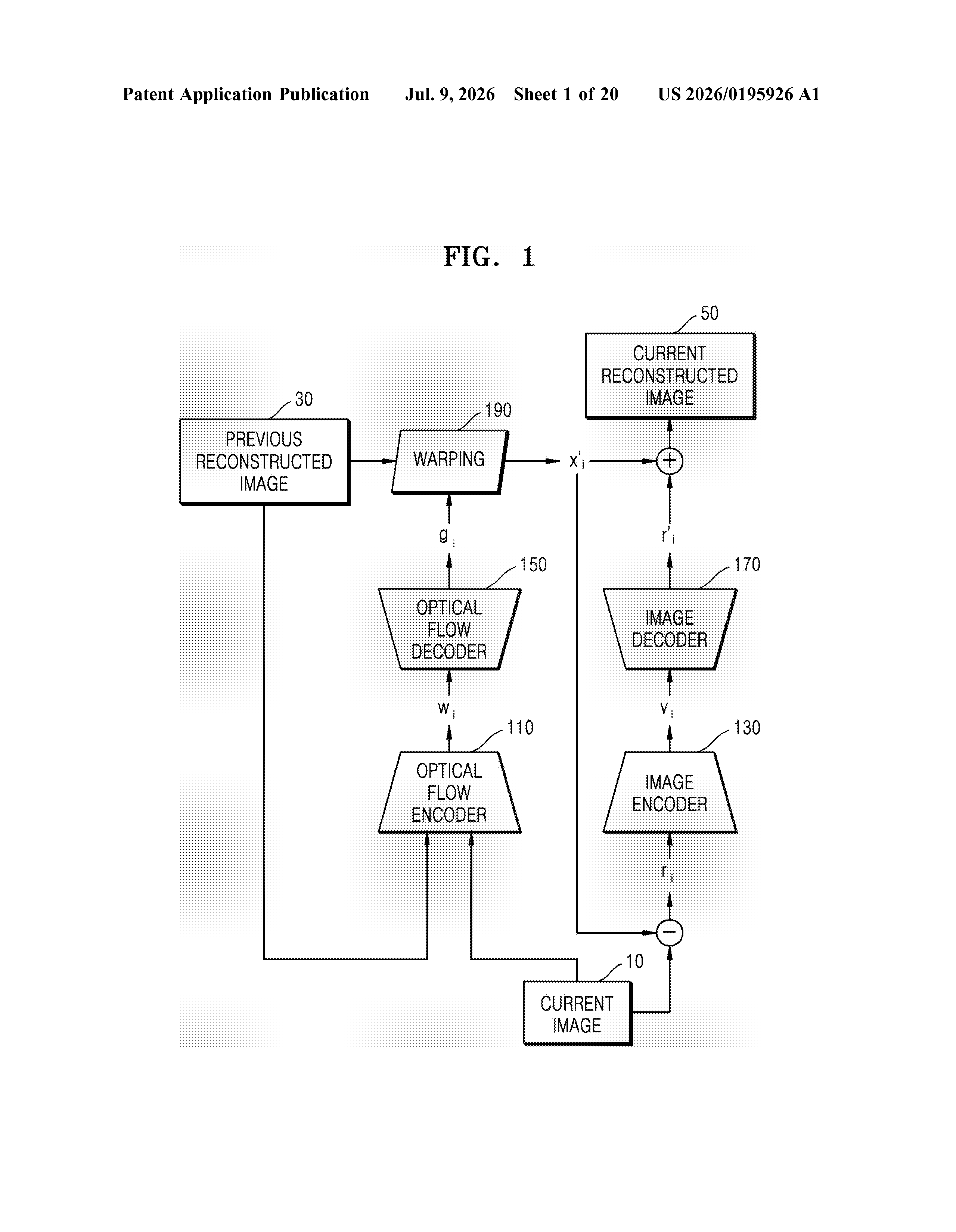
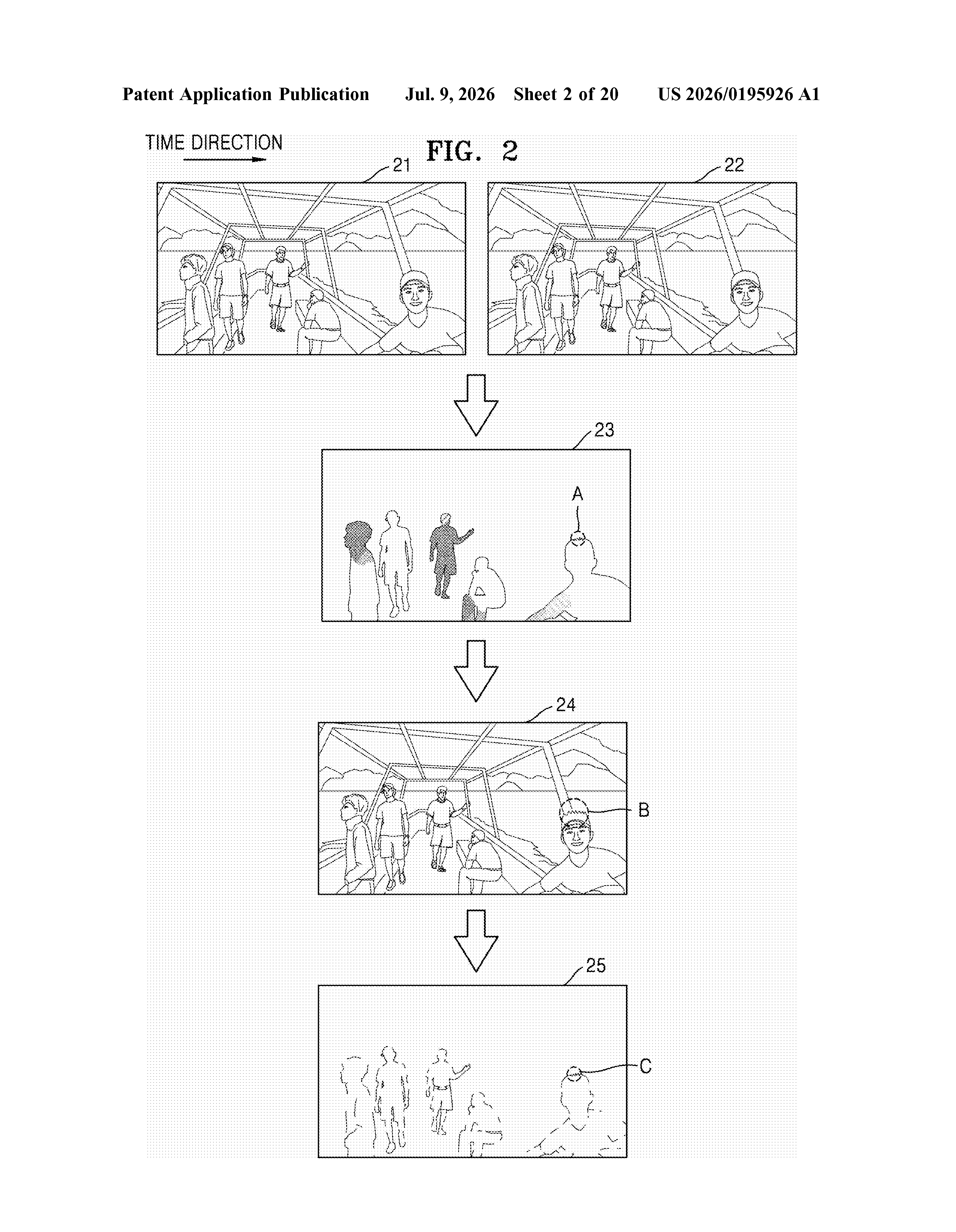
Imagine you're watching a video online and your connection is a bit slow. To save bandwidth, the video file doesn't store every pixel of every frame. Instead, it stores clues: how objects moved between frames, and only the differences from what came before. Your device then has to reconstruct the full picture from those clues.
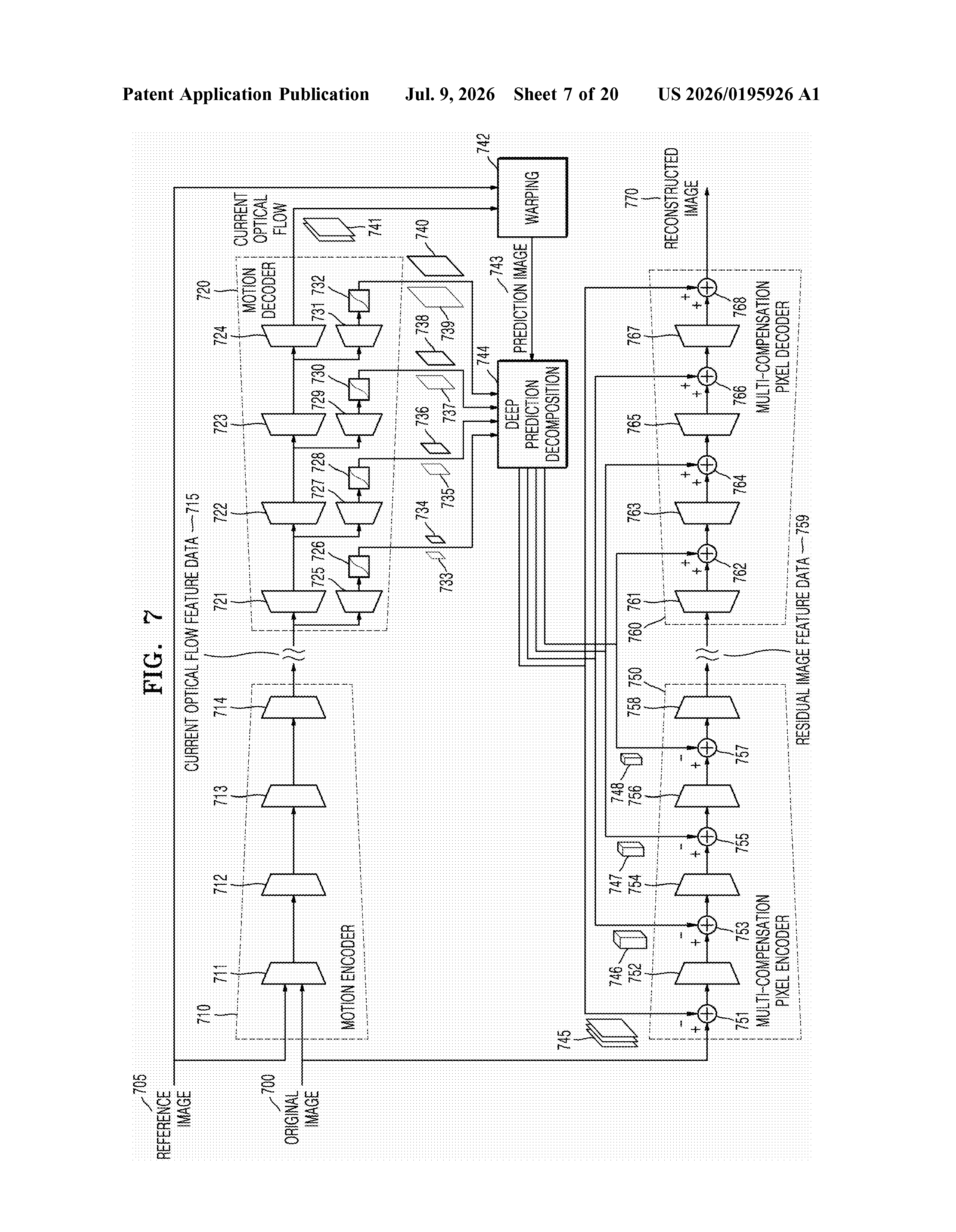
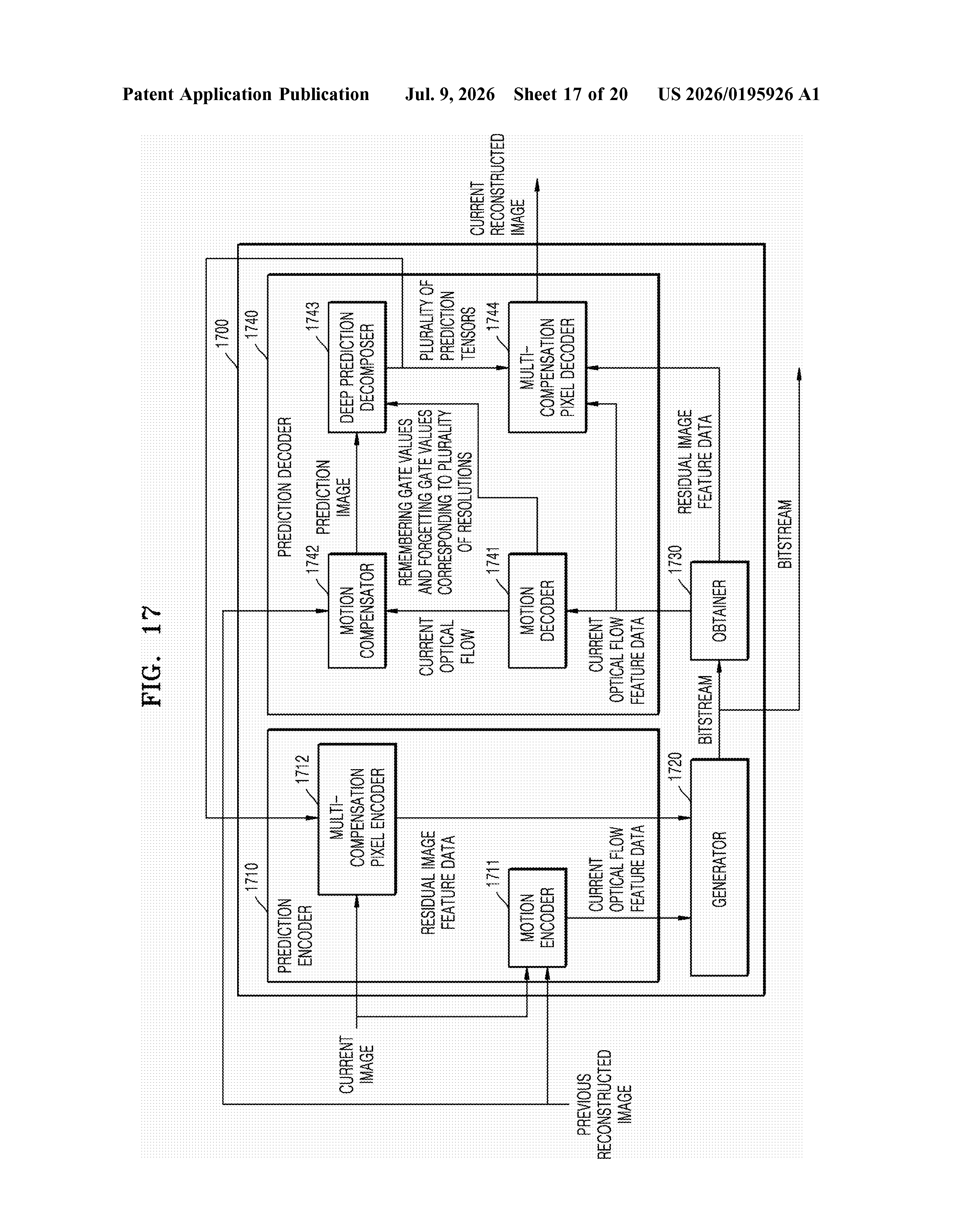
Samsung's patent describes a smarter way to do that reconstruction using AI. Instead of a single pass, the system uses two neural networks in sequence. The first figures out how things moved in the scene and also remembers which details mattered at different levels of sharpness. The second uses all of that information together to assemble the final frame.
The practical goal is a higher-quality image at the end, especially in compressed or low-bitrate video, where traditional decoders tend to produce blocky or blurry results.
How the neural network gates motion data across resolutions
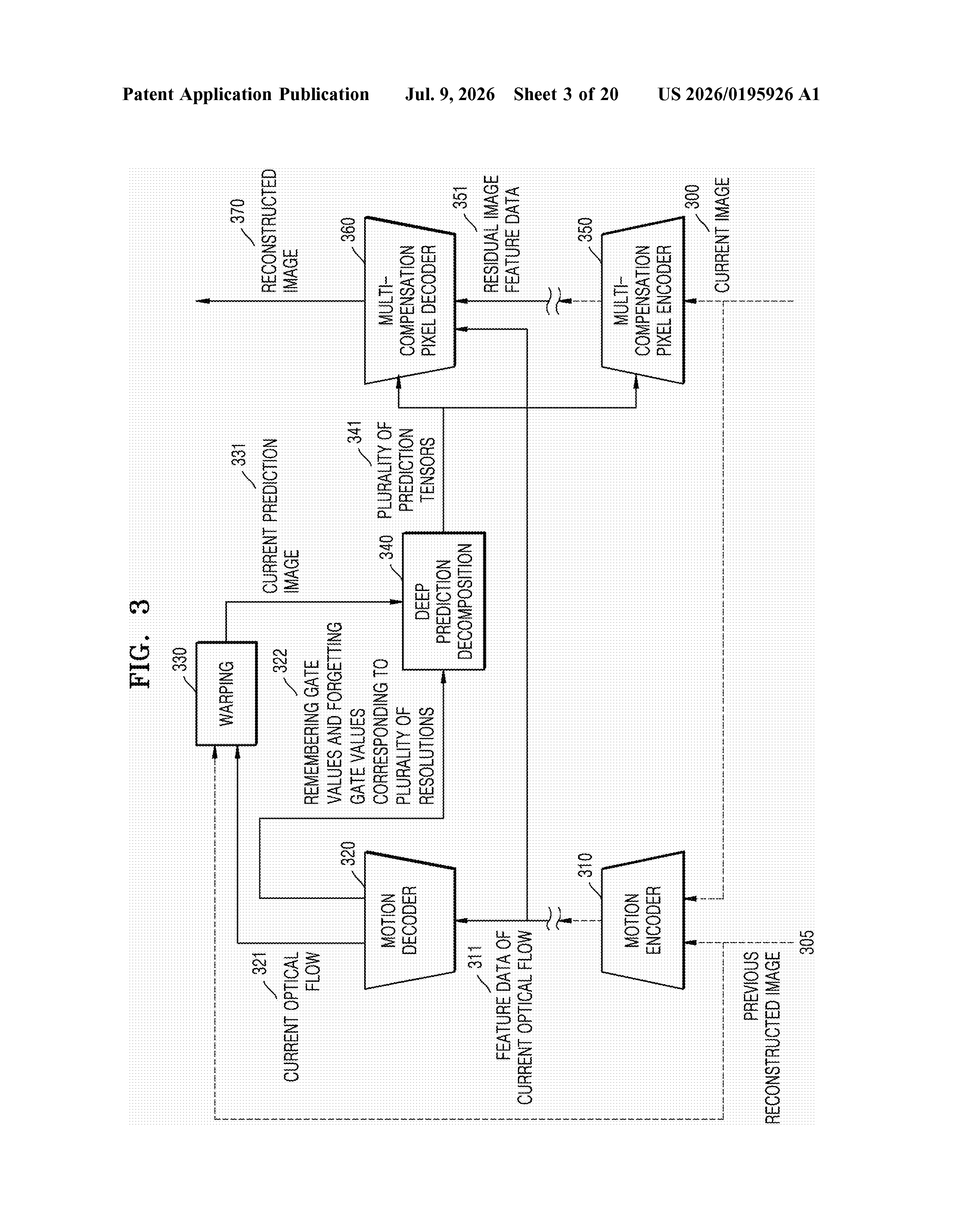
The patent describes a decoding pipeline built around two neural networks working in sequence.
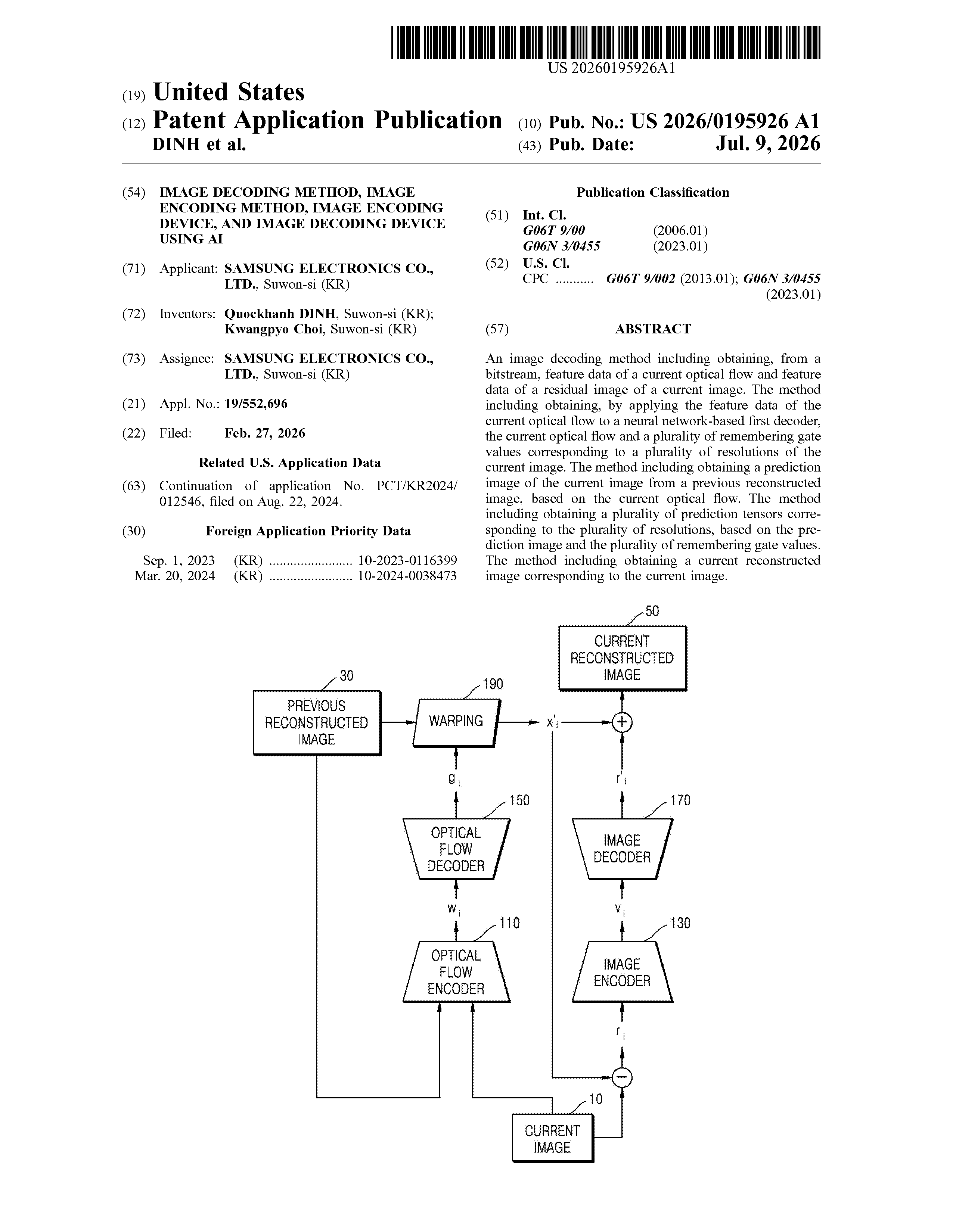
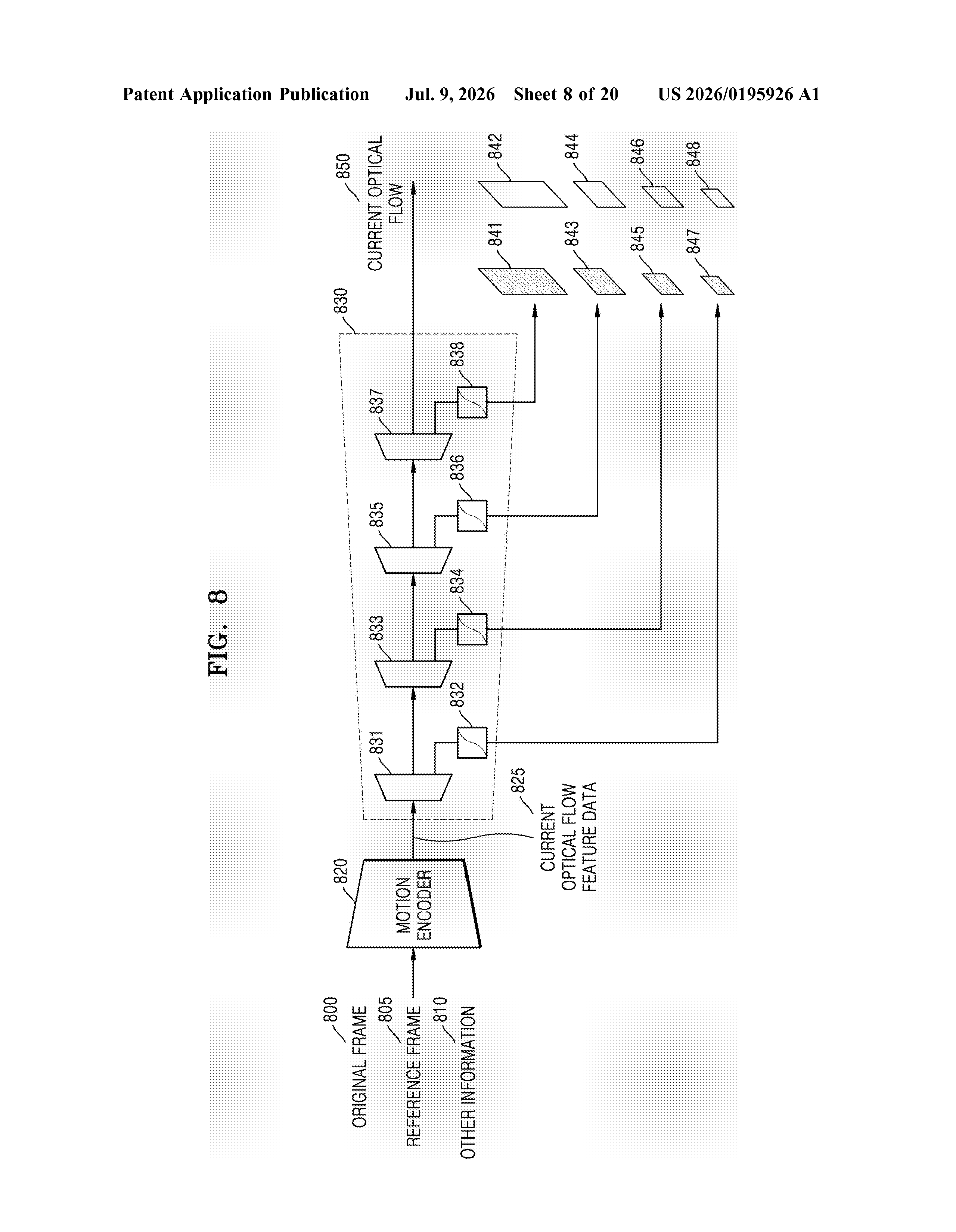
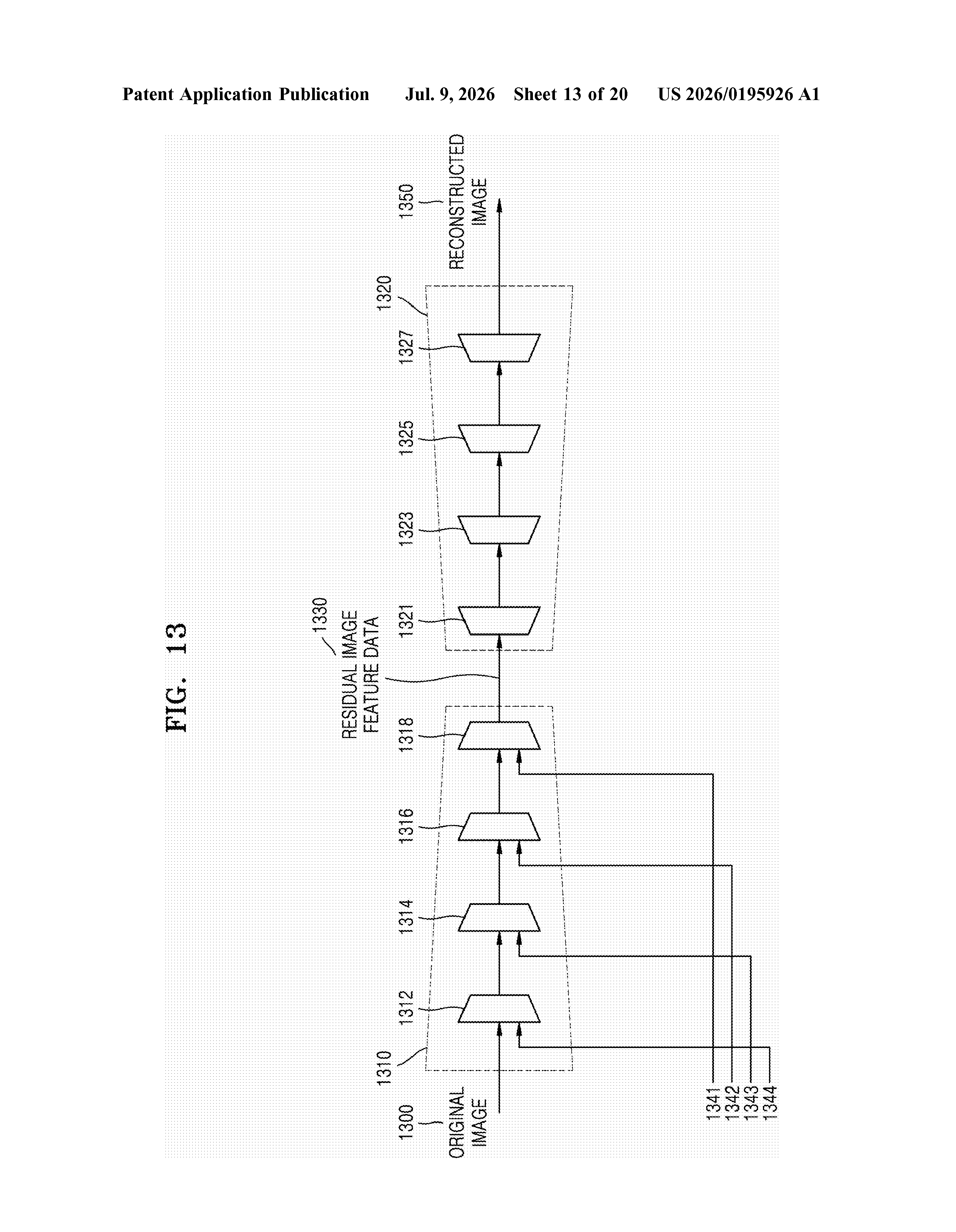
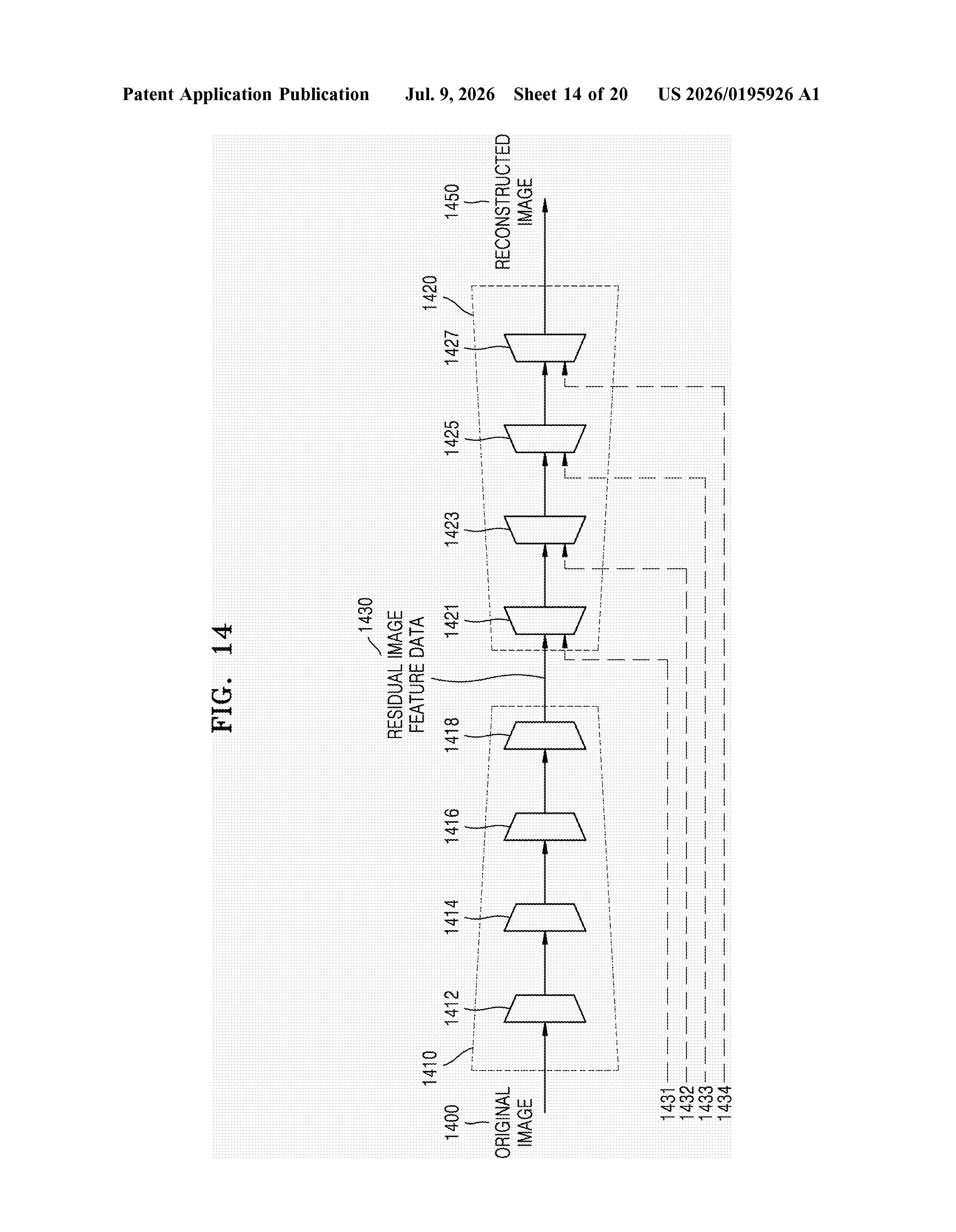
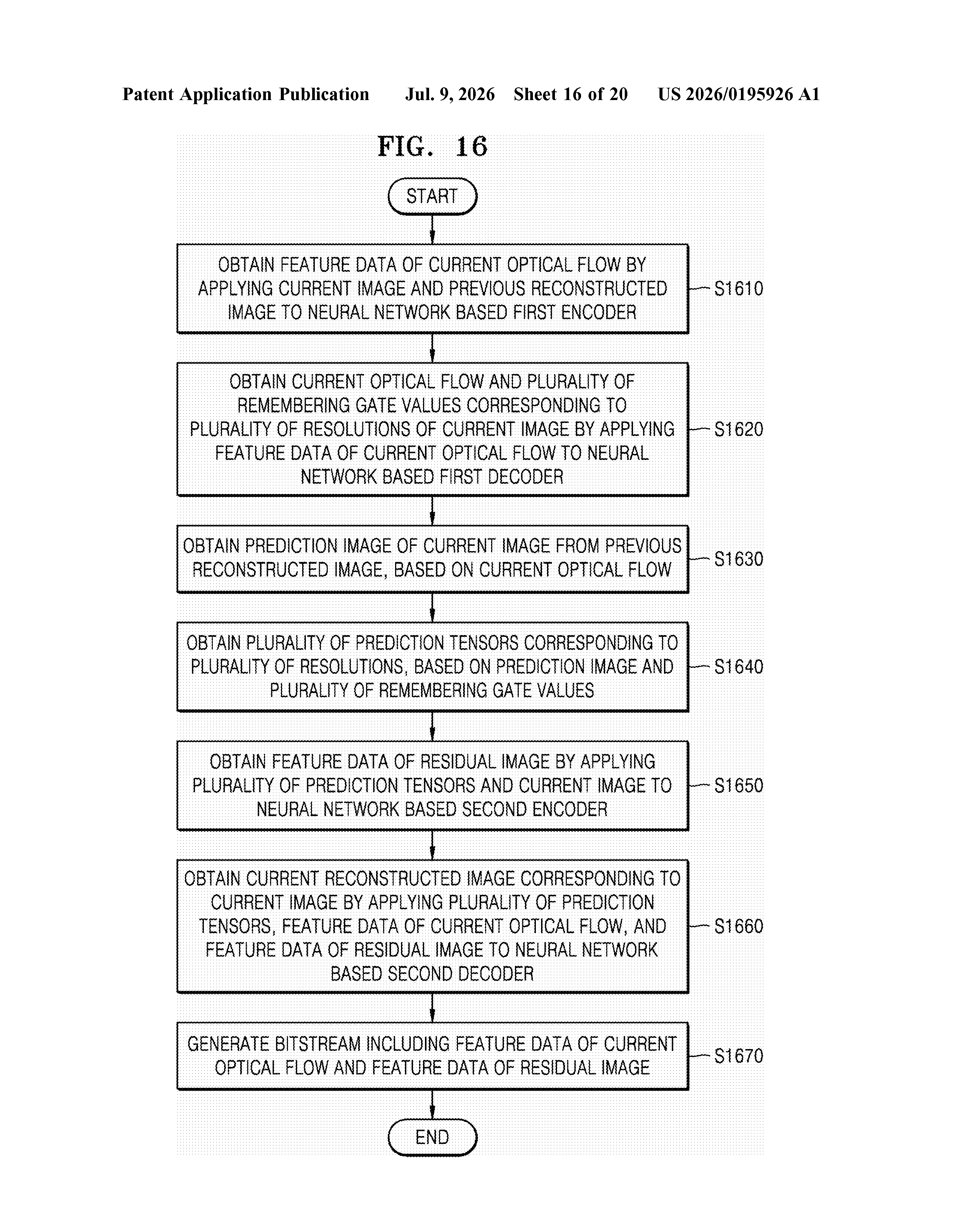
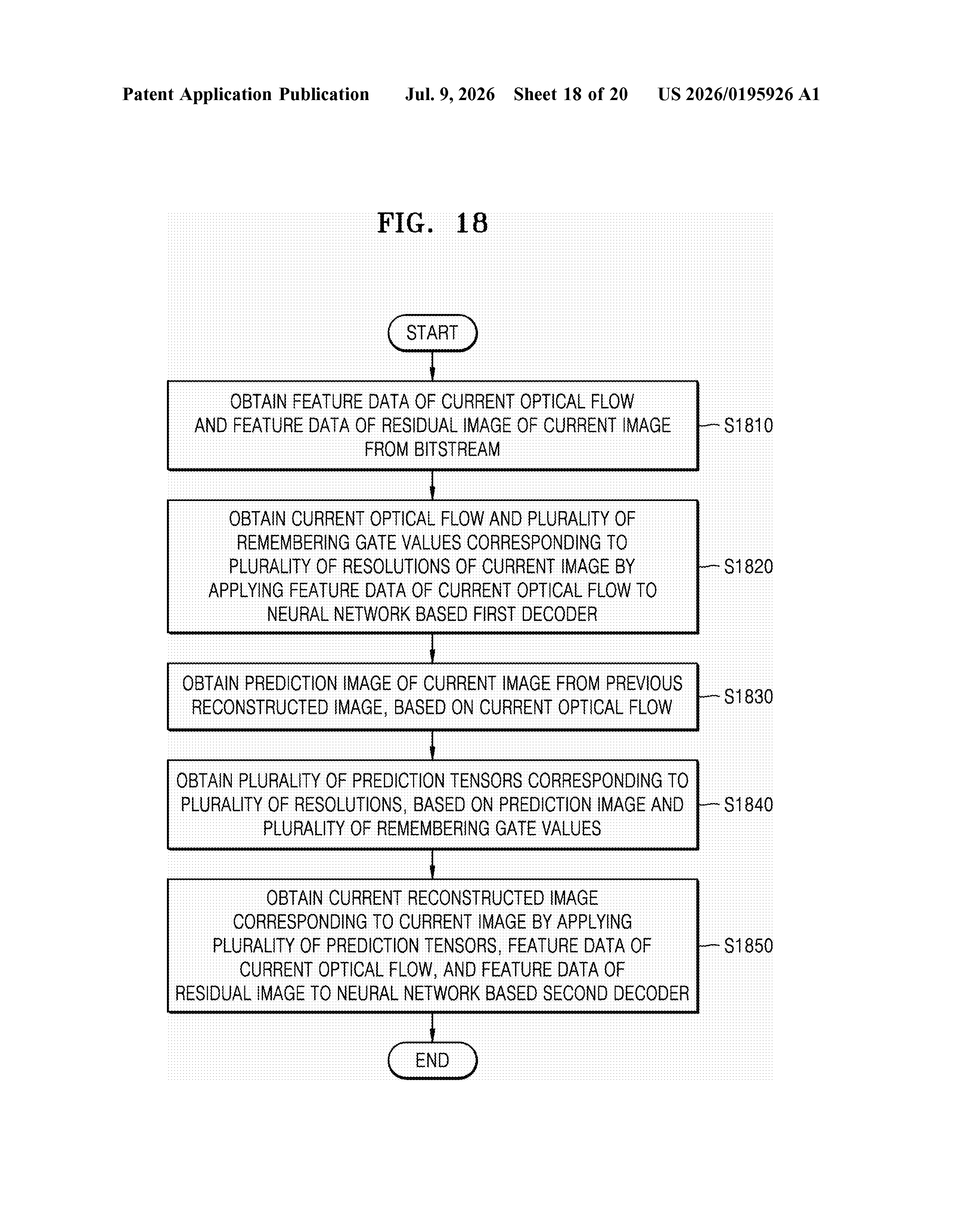
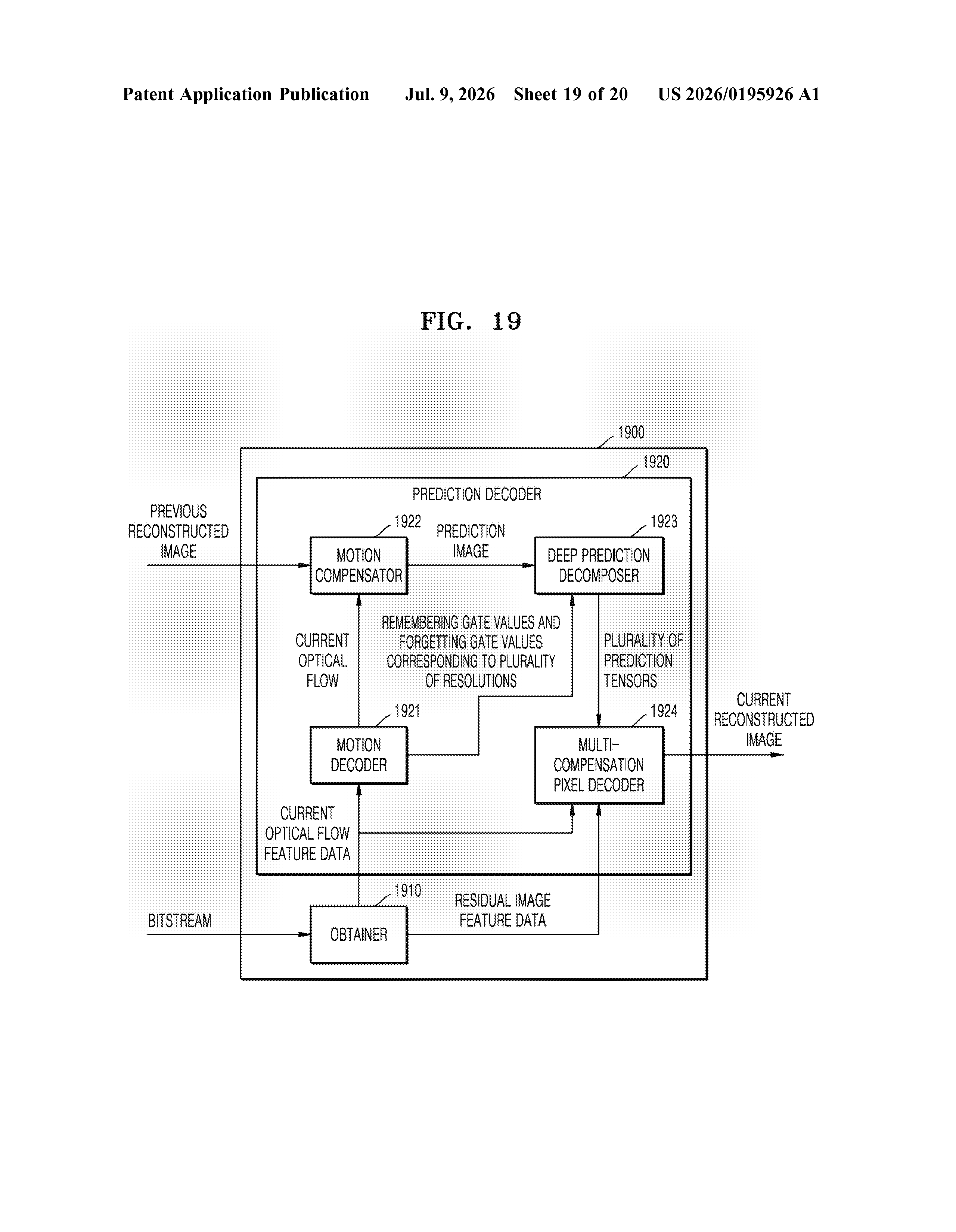
Step one: The decoder pulls two kinds of compressed data from the video file: feature data describing optical flow (a map of how pixels moved between the previous frame and the current one) and feature data for the residual image (the leftover detail that motion alone can't explain).
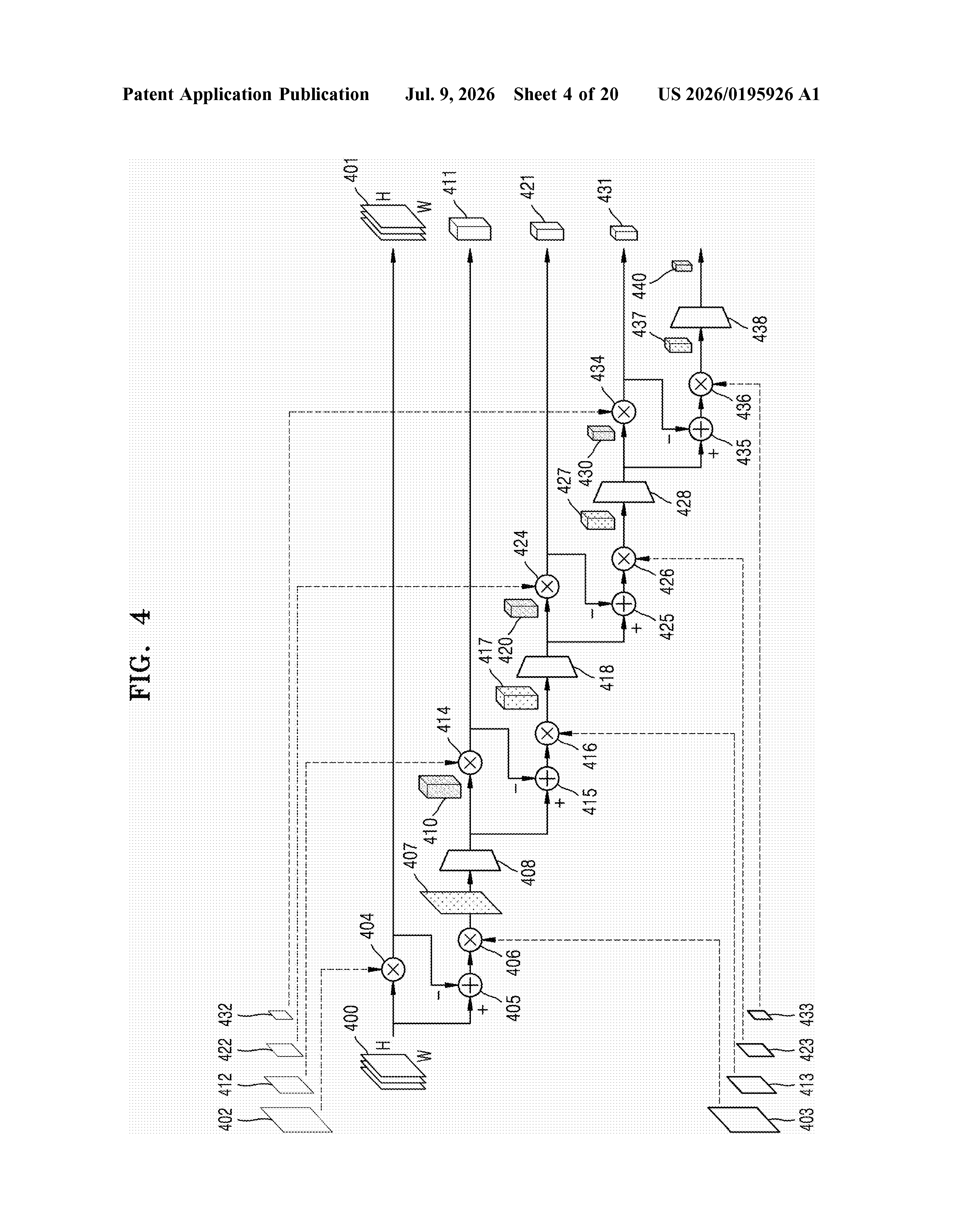
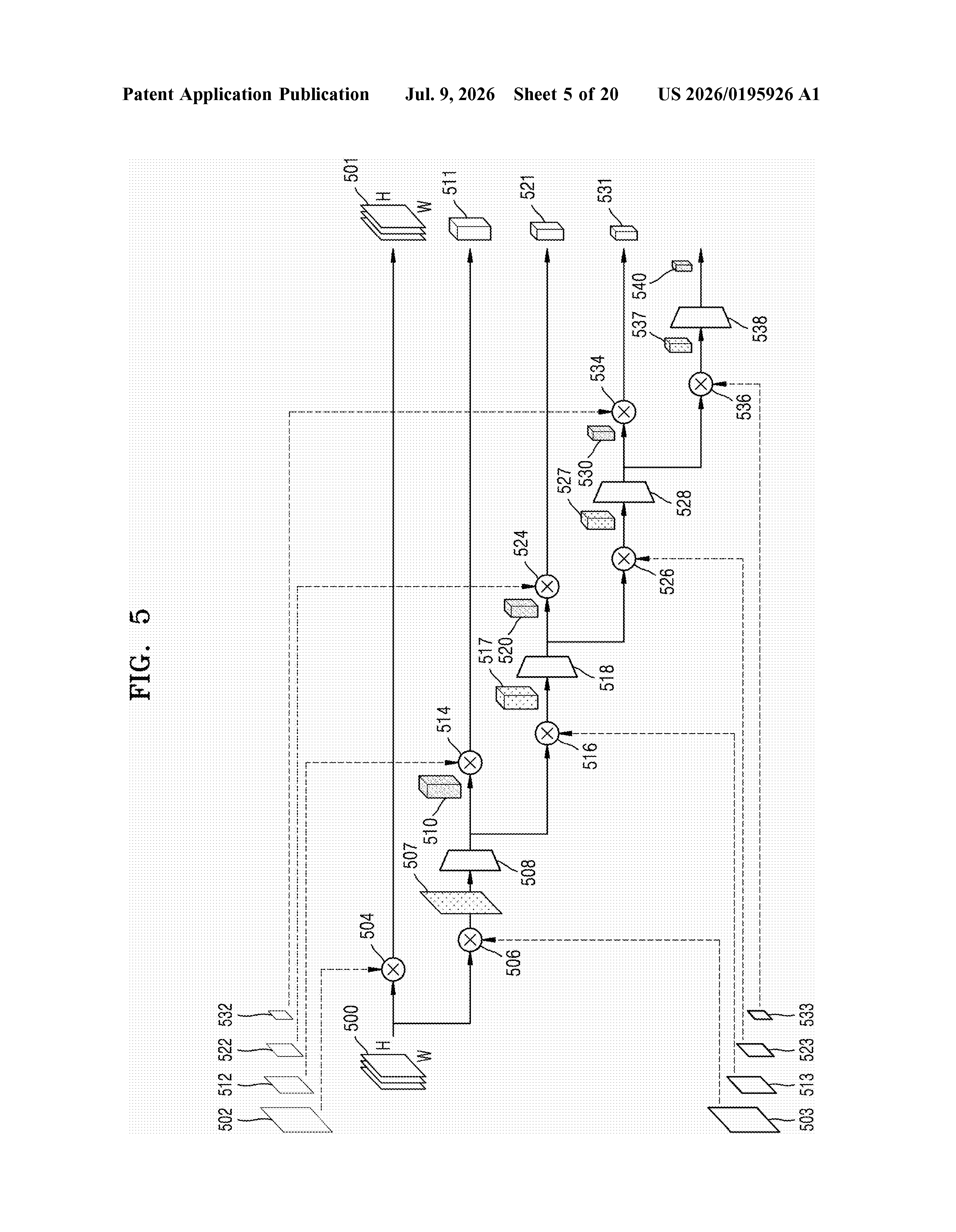
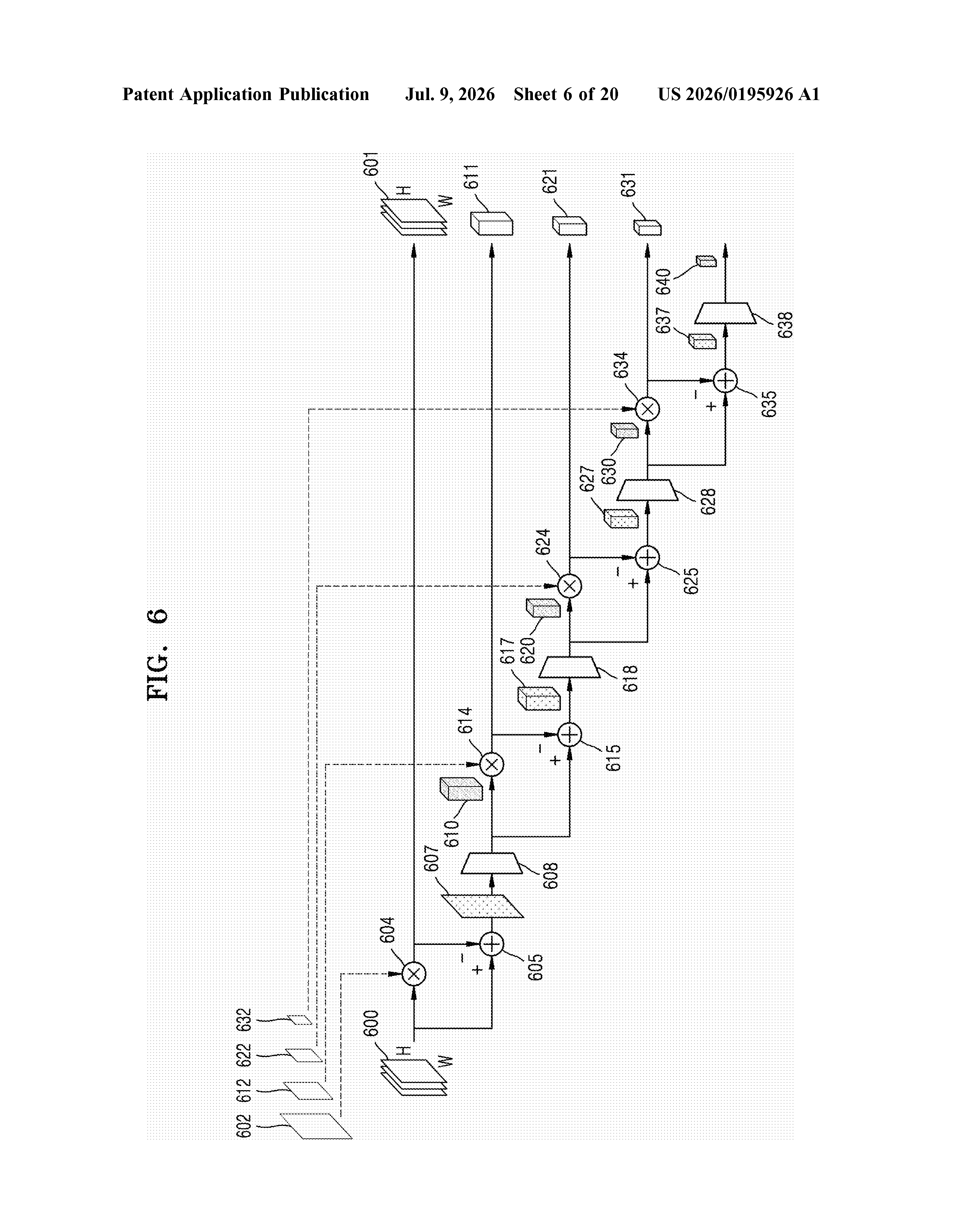
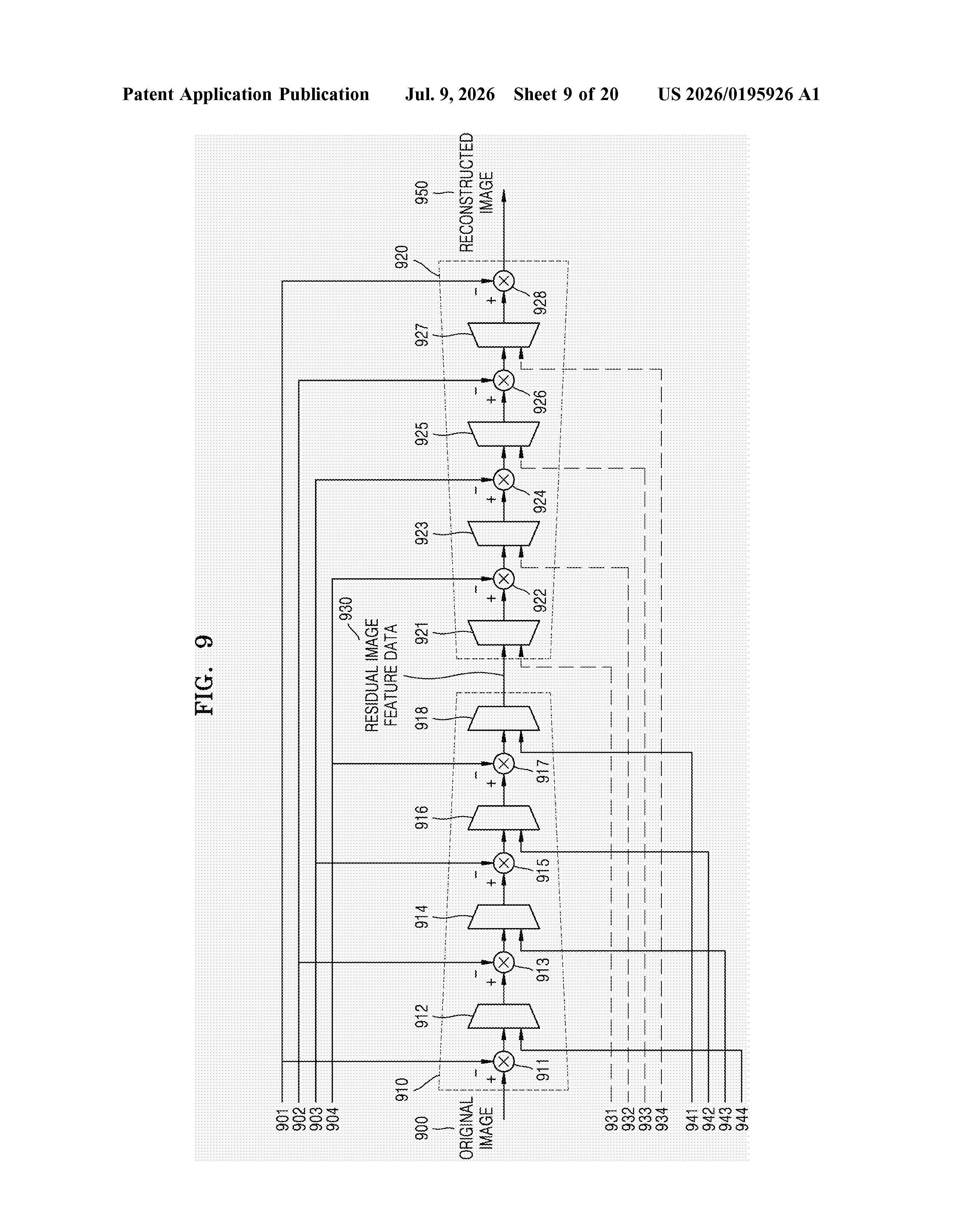
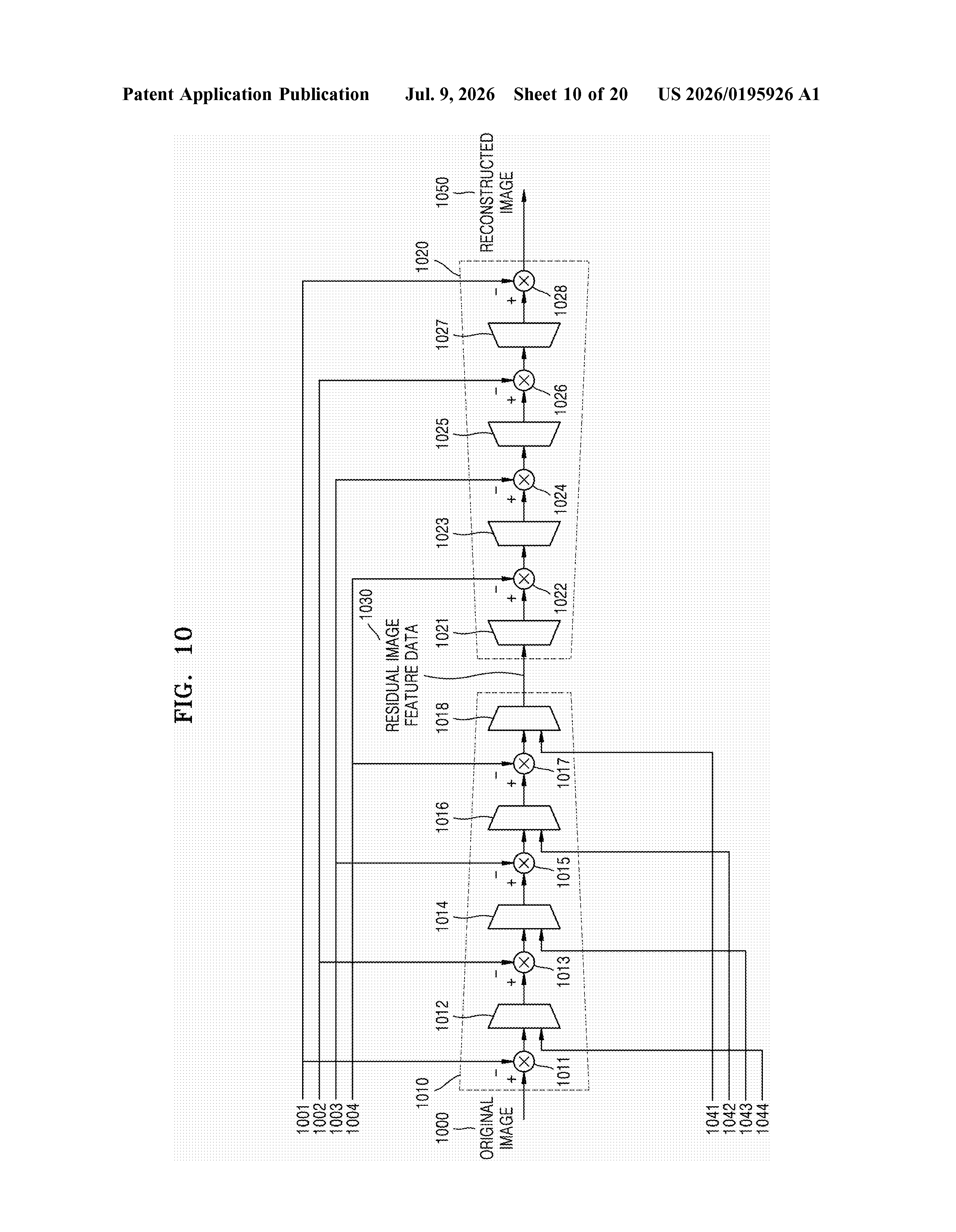
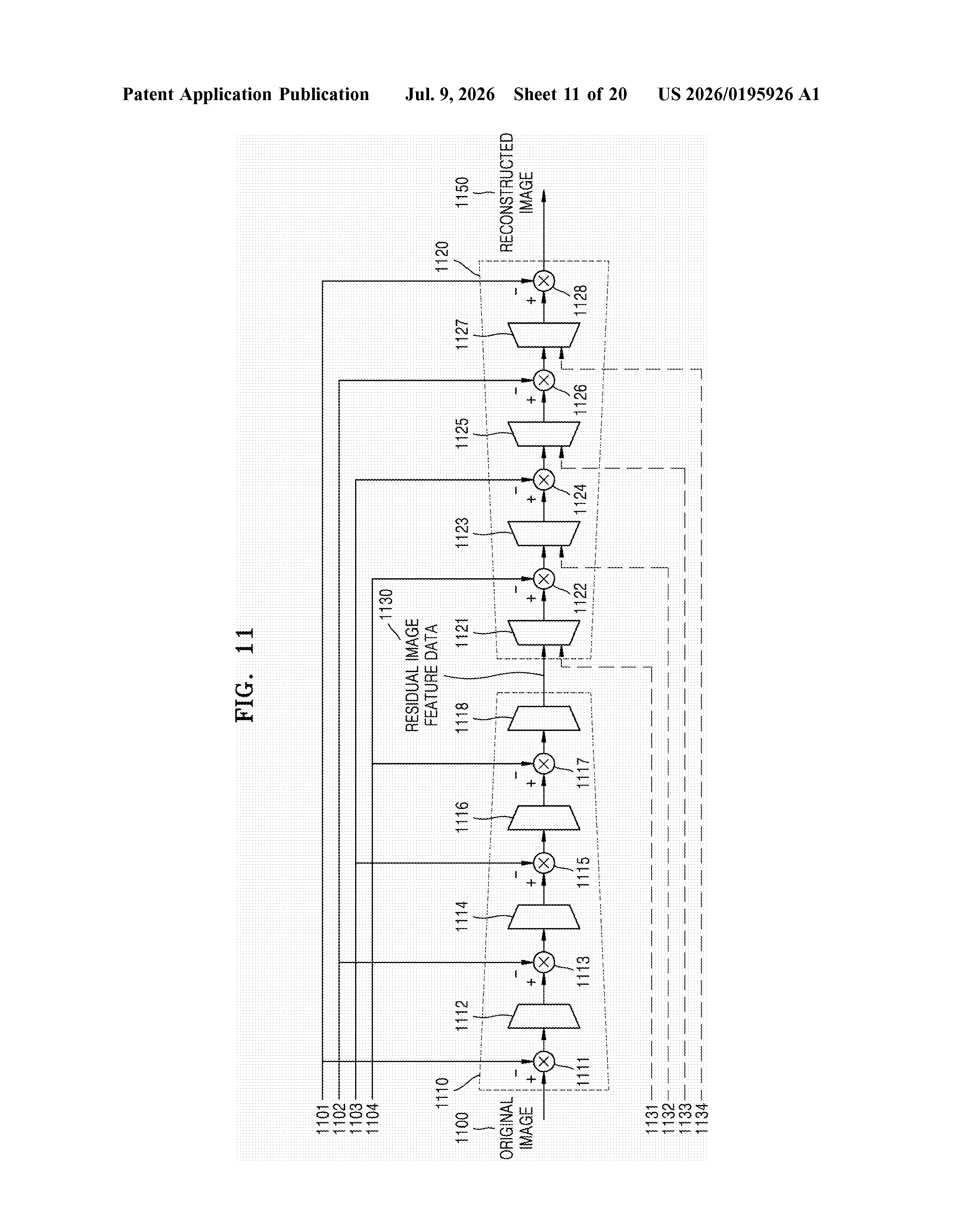
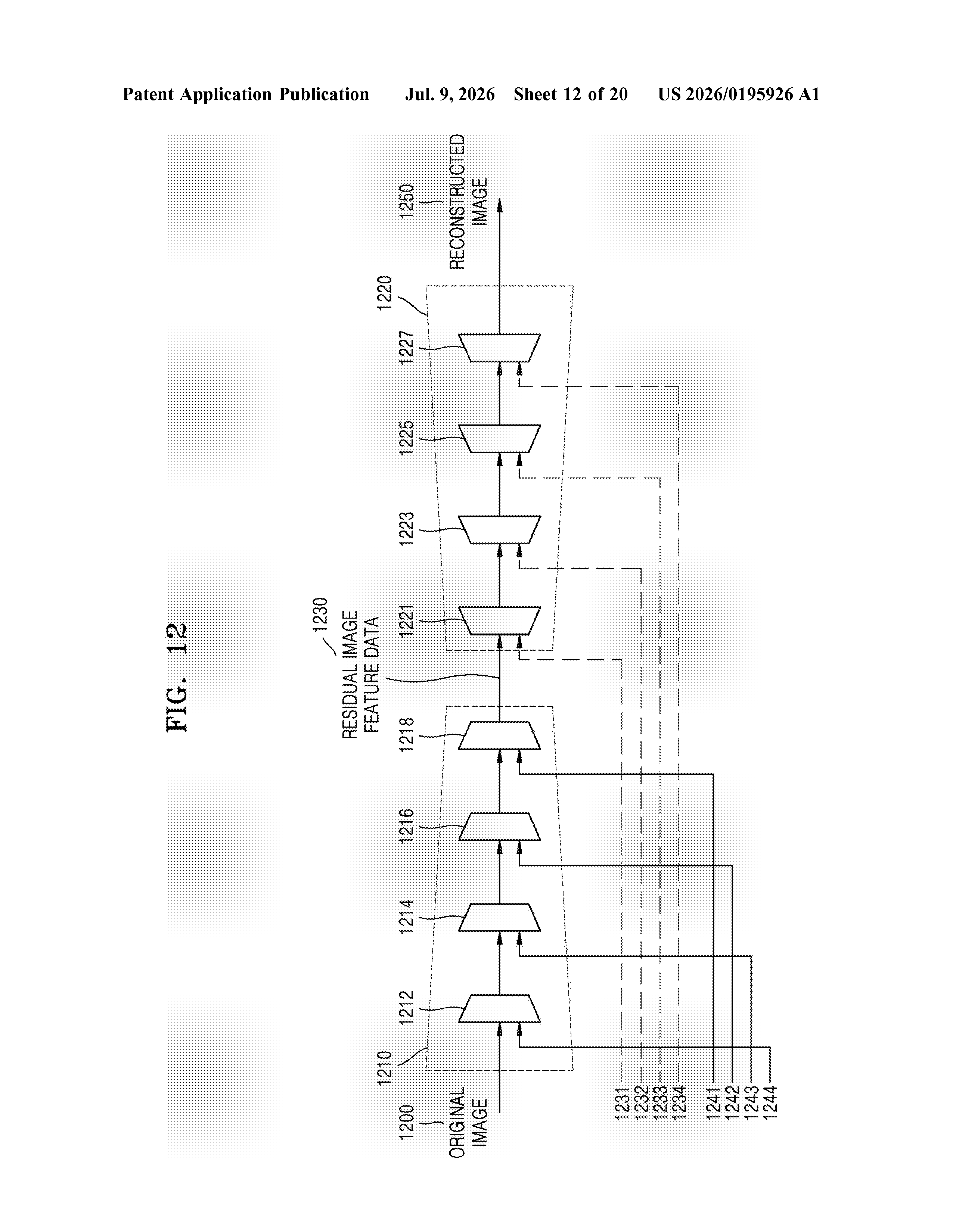
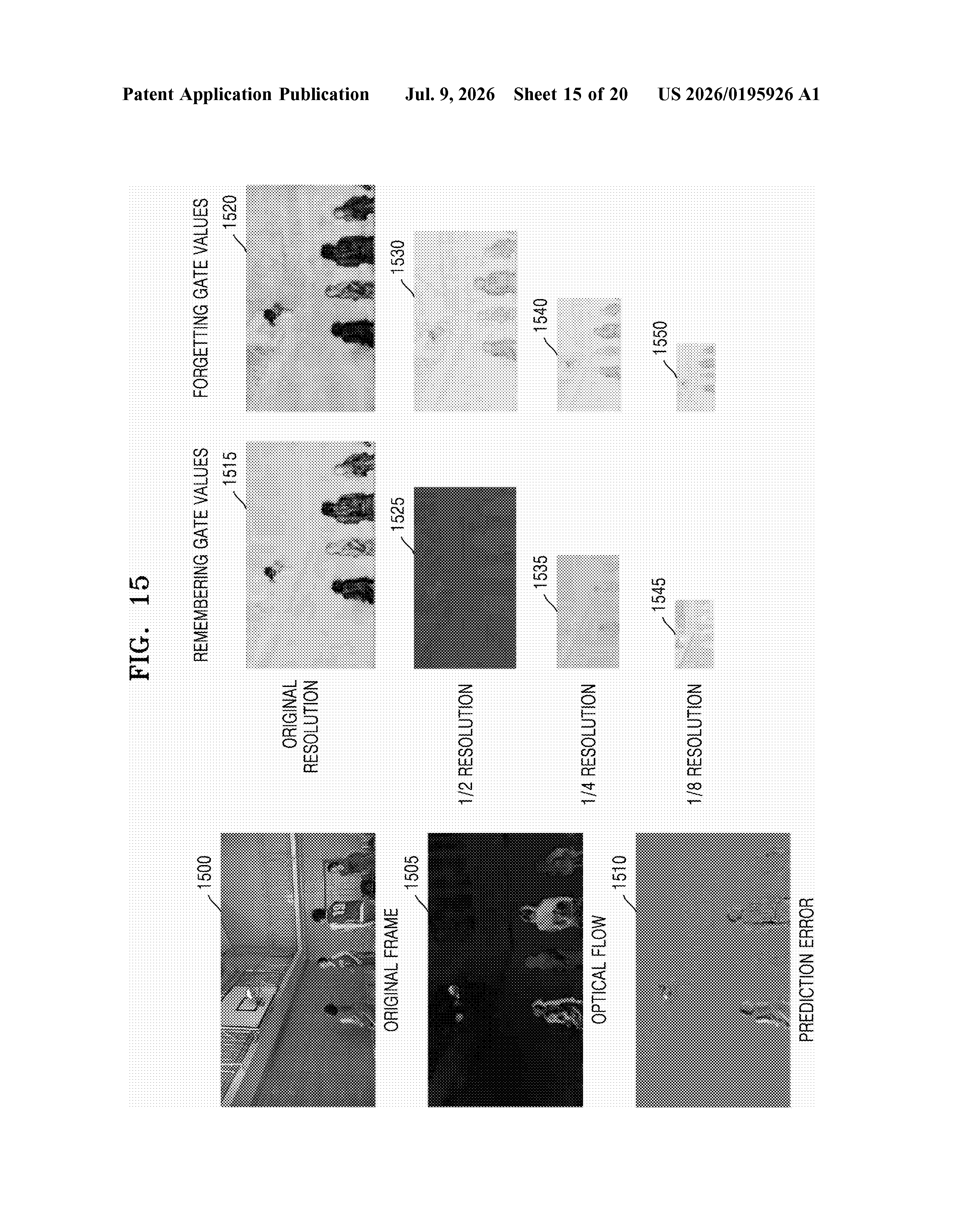
Step two: The first neural network processes the optical flow feature data and outputs two things: the actual optical flow map, and a set of remembering gate values at multiple resolutions (think of these as dials that control how much detail from the previous frame to carry forward, at different levels of image sharpness).
Step three: Using the optical flow, the system warps the previous reconstructed frame to create a rough prediction of the current frame. That prediction is then combined with the gate values to produce prediction tensors (multi-dimensional data grids) at each resolution level.
Step four: The second neural network takes those tensors, the optical flow features, and the residual features together and outputs the final reconstructed frame.
The gating mechanism is the core innovation: rather than treating every resolution level equally, it lets the AI decide which detail layers from the previous frame are still relevant and which should be discarded.
What this means for streaming quality and compression
For consumers, this kind of AI-in-the-decoder approach is aimed at making compressed video look better without requiring a bigger file or faster connection. Streaming services constantly balance file size against picture quality, and better decoders shift that tradeoff in the viewer's favor.
For Samsung specifically, this sits at the intersection of two areas the company cares about: display hardware (where better image reconstruction means sharper TVs and phones) and codec development. Neural network-based video coding is a growing area of standards work, and patents here build leverage in future licensing negotiations around next-generation video formats.
Source: US 2026/0195926 A1 at the USPTO (PDF). Full patent text and figures are in the official publication.
Get our take in your Top Stories
Liked this breakdown? Add Patentlyze as a preferred source on Google, and our plain-English take shows up more often in your Top Stories the next time Samsung patent news breaks.
Add Patentlyze on Google
One click.
There are more where this came from
We read the new patents from Big Tech, carmakers and more and send you the ones worth knowing. Plain English, free, every week.
The drawings · 20 sheets
20 drawing sheets from US 2026/0195926 A1 · click any drawing to enlarge · browse the full 51-page filing
Show the other 12 sheets
More from Samsung
All 1,662 Samsung patents →
More in AI vision
All 352 AI vision patents →
IBM
IBM Patents an AI That Tells Real Sensor Errors Apart From Actual System Changes
Sony
Sony Patent Lets Users Tune AI Image Recognition Settings in Real Time
Intel
Intel's New Patent Teaches Cameras to Read a Scene, Not Just Spot Shapes
Google