
Samsung Patents a Fix That Keeps Phone Connections Running During Wi-Fi Dropouts
When your phone is juggling a Bluetooth connection and a local Wi-Fi discovery session at the same time, one of them usually loses. Samsung's new patent describes a system that reschedules the loser so nothing actually drops.
What Samsung's wireless scheduling patent actually does
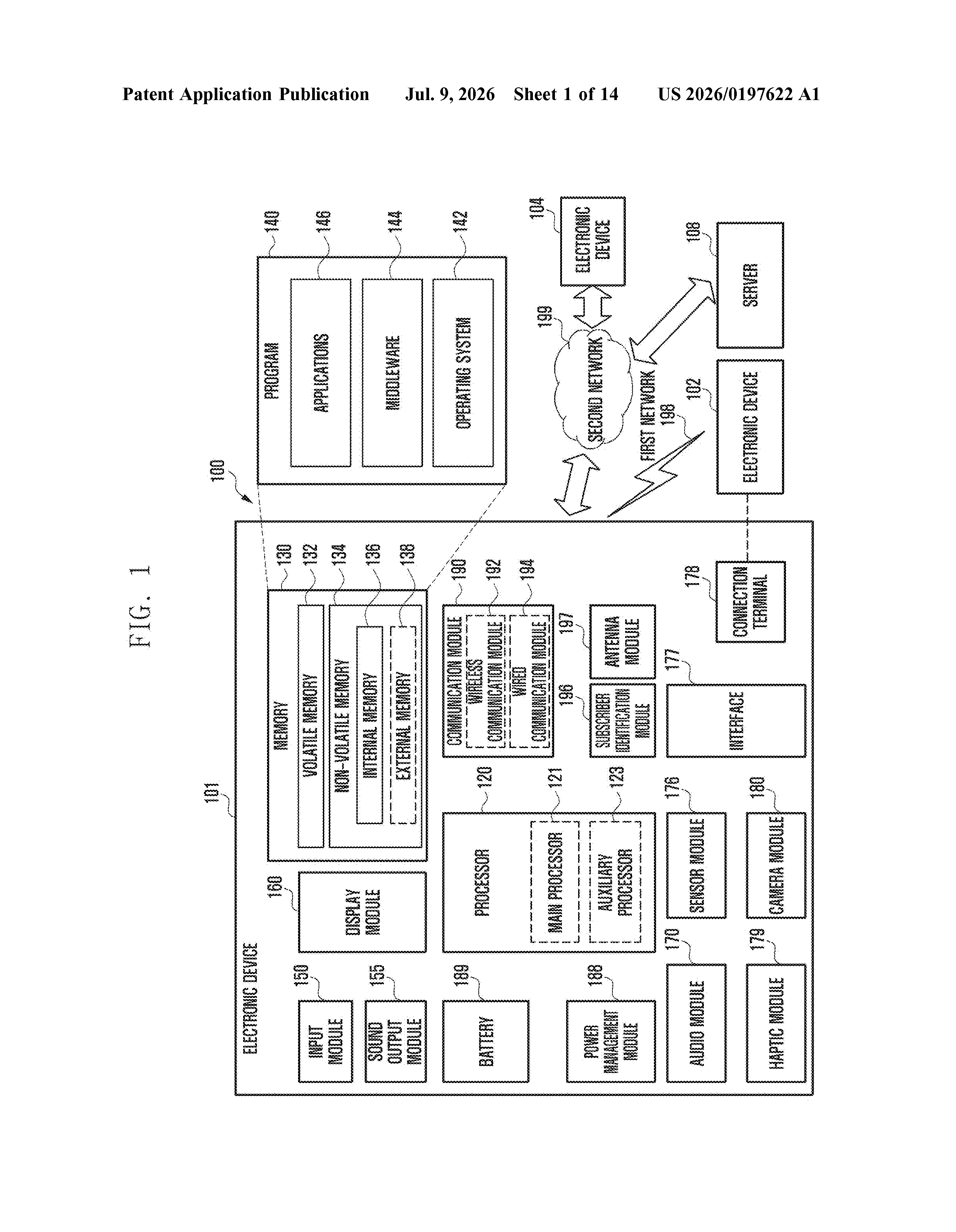
Imagine your phone is connected to your wireless earbuds over Bluetooth while also running a background process that lets nearby devices find each other over Wi-Fi. These two tasks share the same radio hardware, so when one needs a break, the other can get interrupted.
Samsung's patent describes a scheduling system that handles those interruptions automatically. If your phone's Bluetooth connection tells the radio to go quiet for a moment, the device uses that same quiet window to squeeze in the Wi-Fi discovery traffic instead of just waiting. It then sends an updated schedule to the other device so both sides stay in sync.
The result is that your phone can keep its earbuds connected and stay discoverable to nearby devices, without either task stepping on the other. It's coordination happening invisibly in the background, so you never have to think about it.
How the device fills Bluetooth gaps with NAN traffic
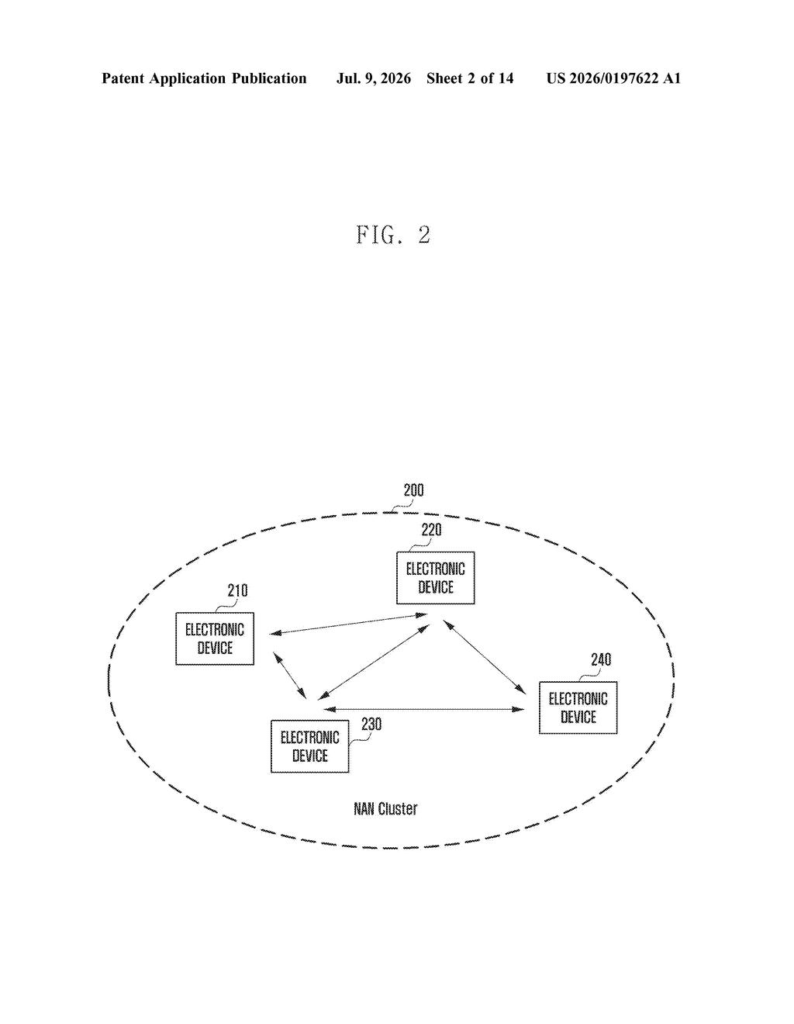
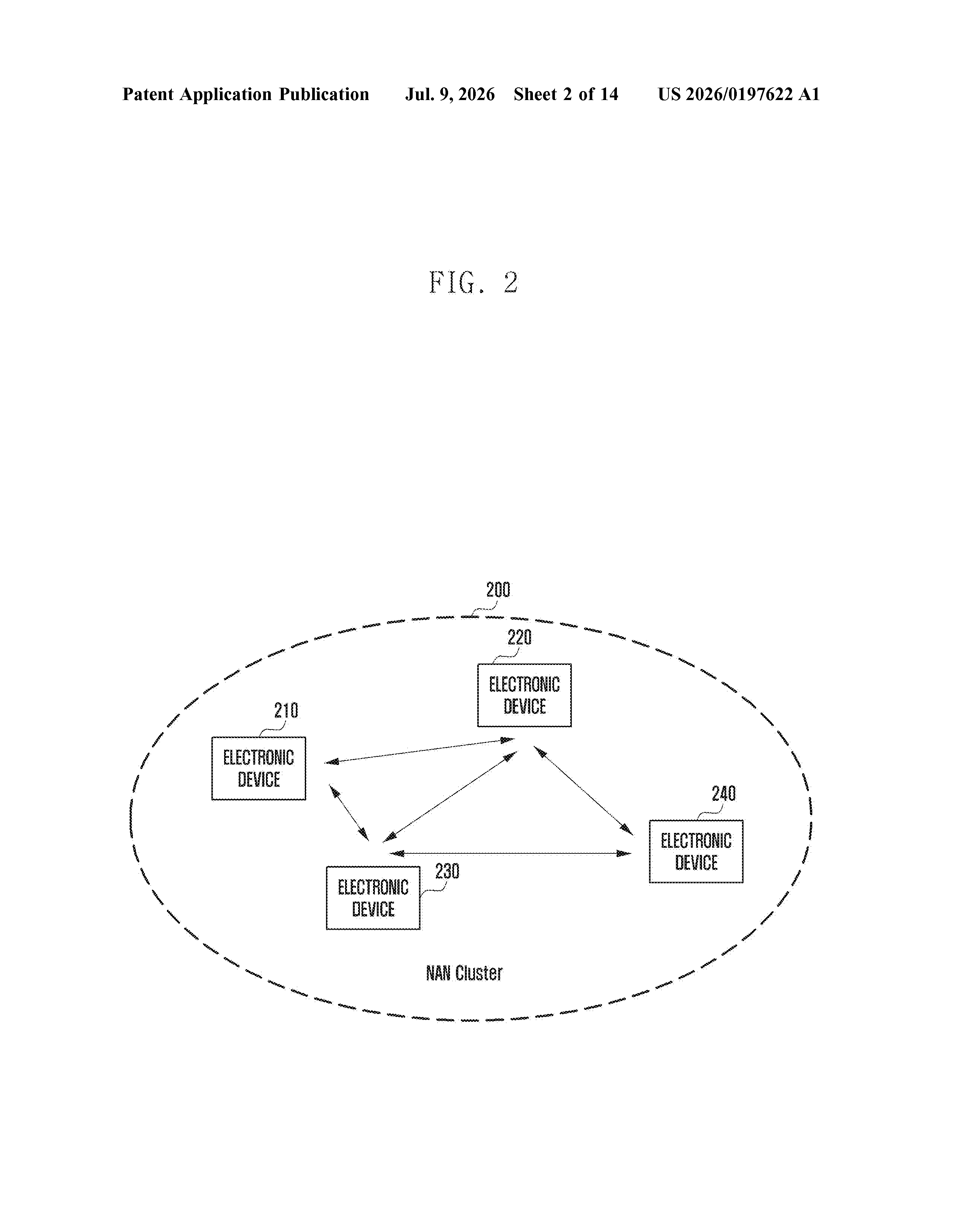
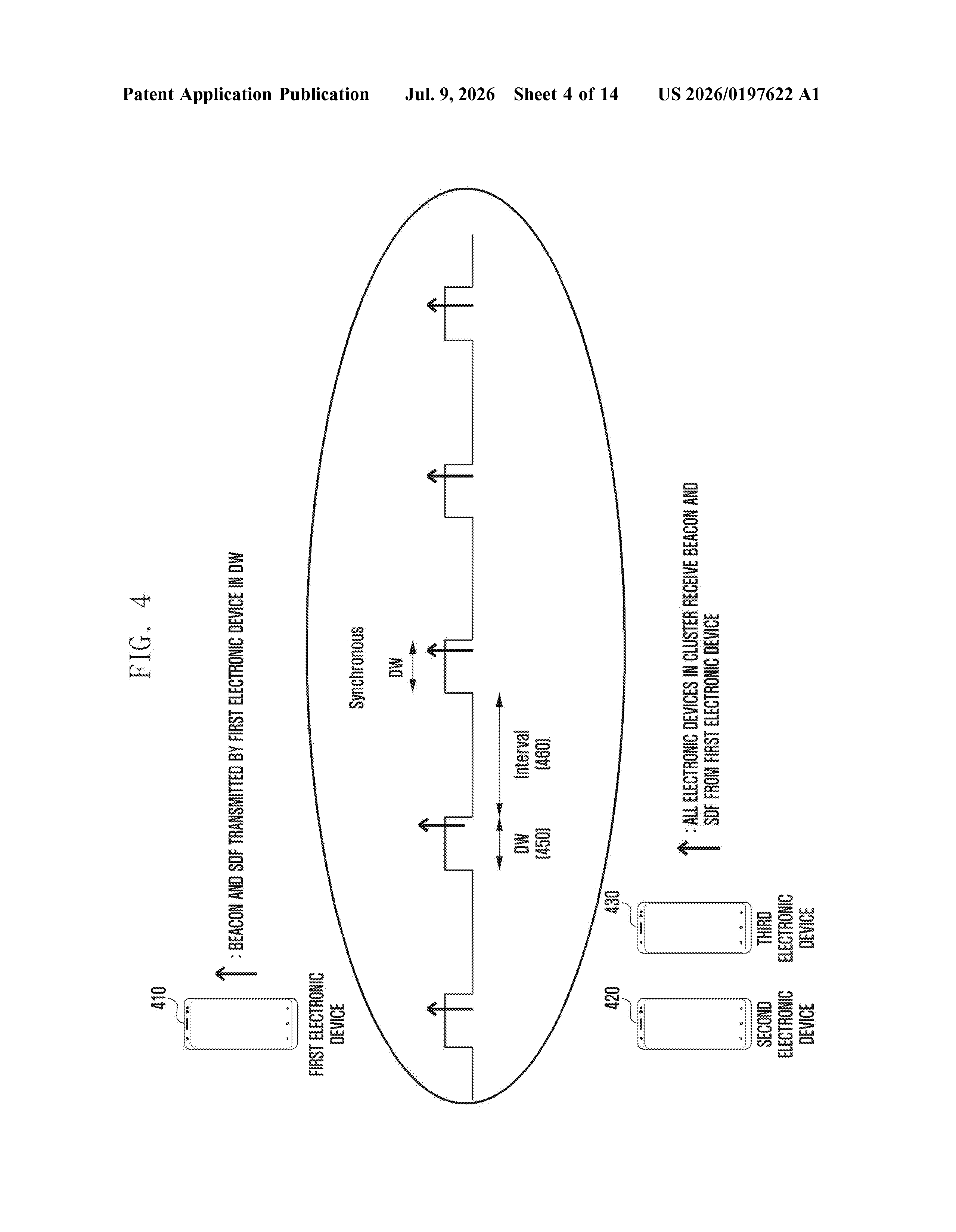
The patent centers on a wireless protocol called NAN (Neighbor Awareness Networking), a Wi-Fi standard that lets devices find and talk to each other nearby without needing a traditional router in the middle. Think of it as a low-power local broadcast that says "I'm here, who else is around?"
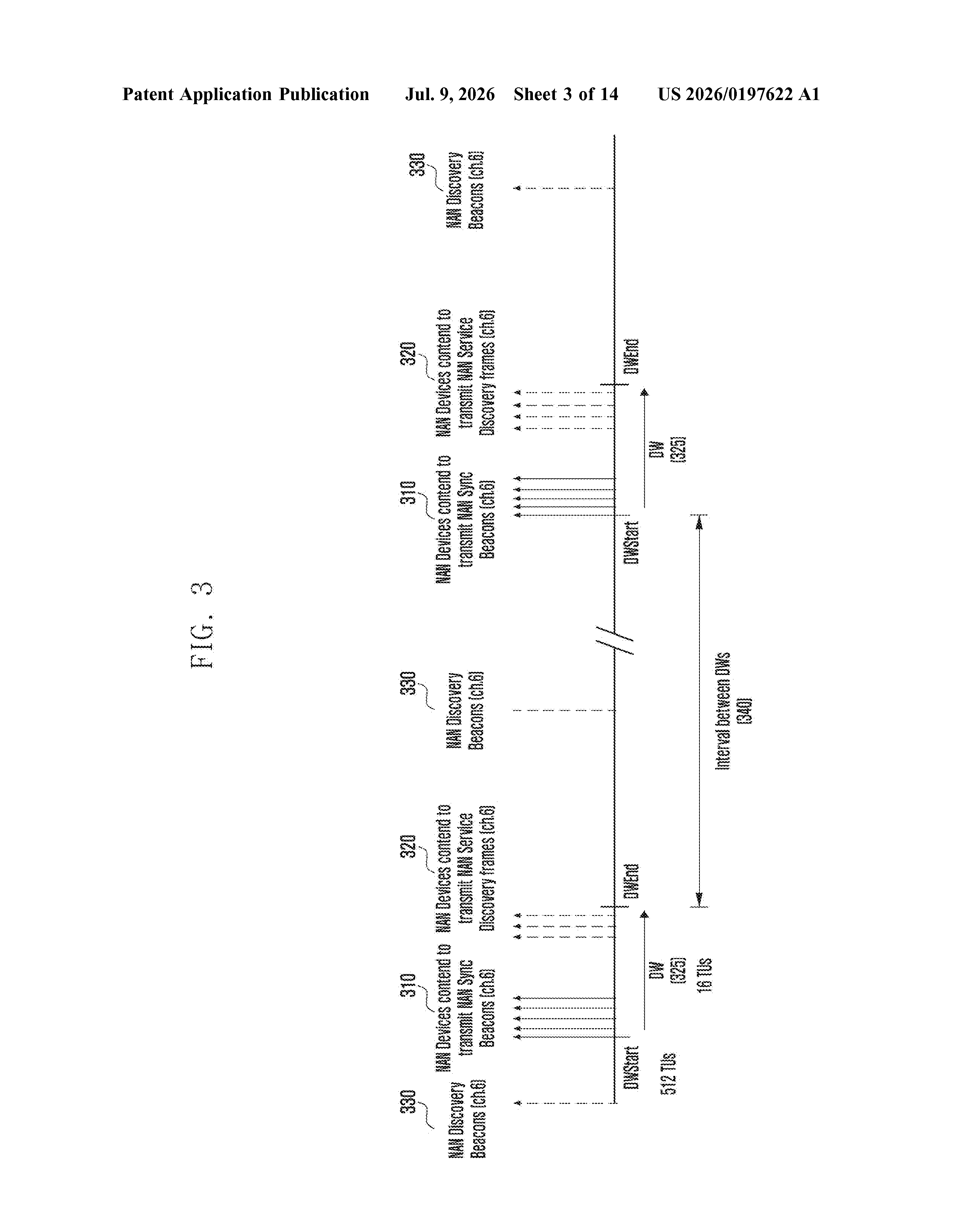
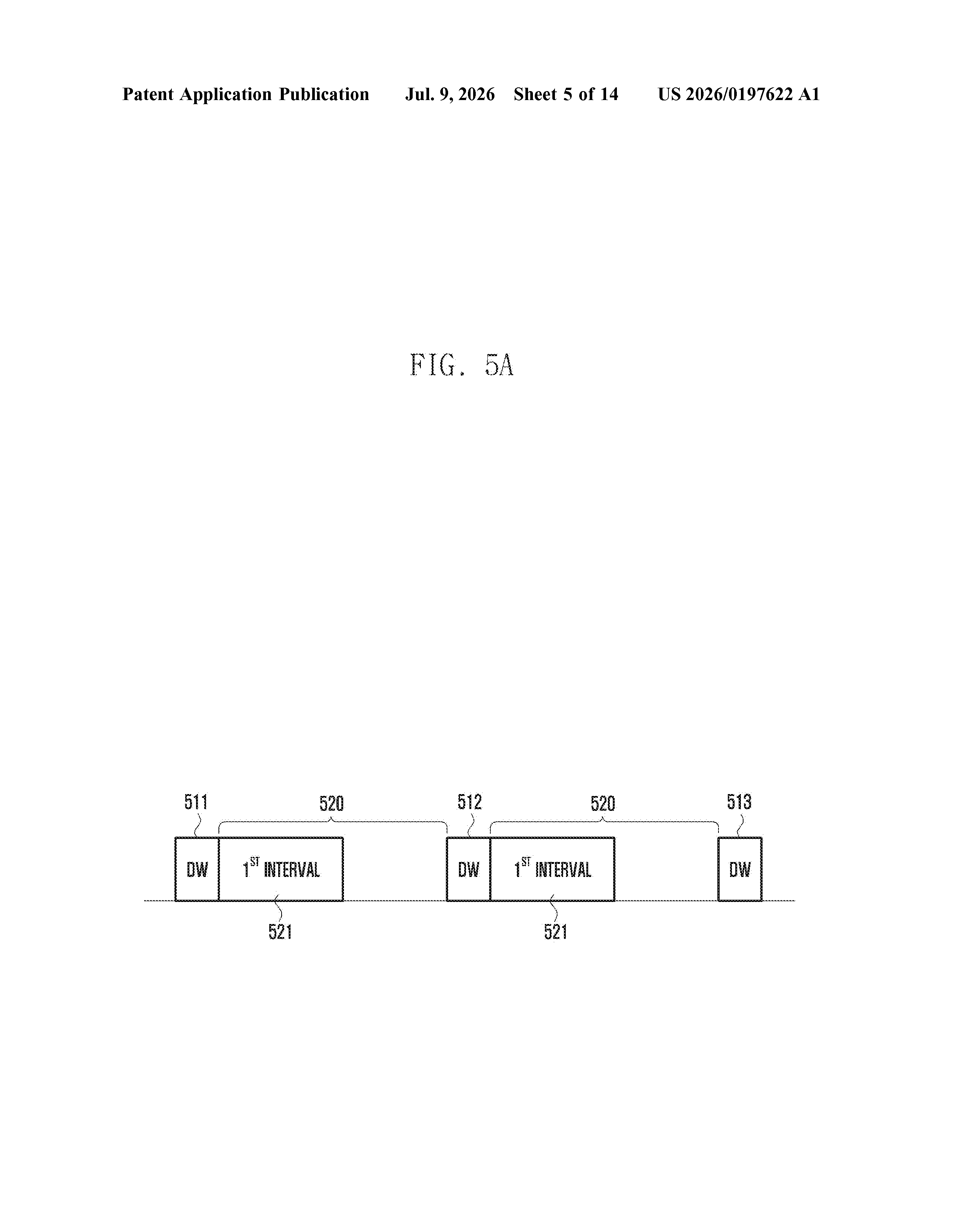
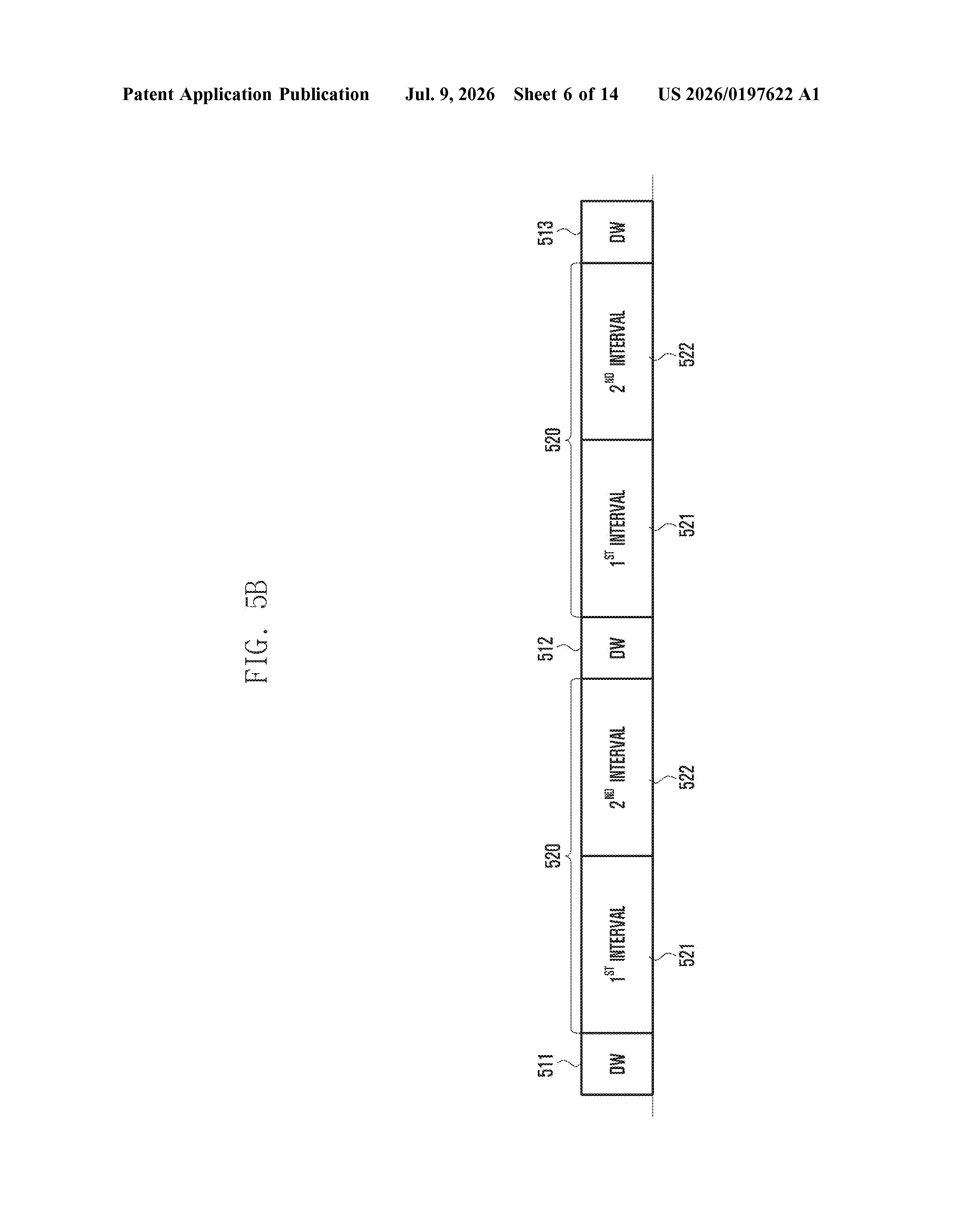
NAN operates on a fixed schedule built around discovery windows, short recurring slots where devices listen and announce themselves. Between those windows, there are open intervals the device can use for actual data transfers or other wireless tasks like Bluetooth.
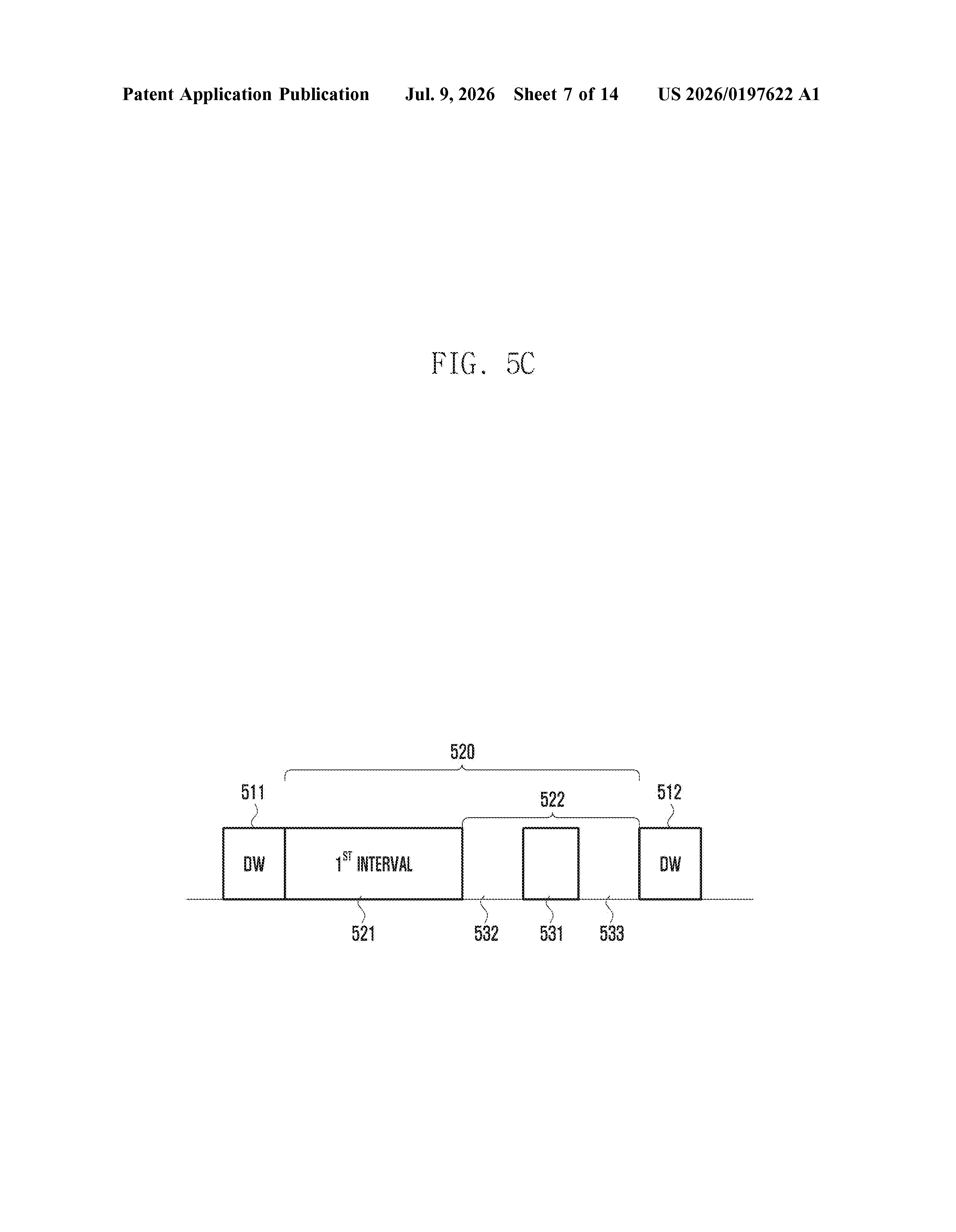
Here's the problem: Bluetooth (described here as "short-range wireless communication") can dynamically tell the radio to go dark during parts of those open intervals, usually to save power or avoid interference. When that happens, any NAN data transfer that was planned for that interval gets blocked.
Samsung's solution is a three-step scheduling fix:
- The device receives updated Bluetooth timing that flags a partial interval as off-limits.
- It generates new NAN timing that reclaims that same partial interval for Wi-Fi discovery traffic.
- It sends the revised schedule to the other NAN device so both sides agree on when to talk.
This keeps both connections alive without requiring the user to do anything.
What this means for multi-device Samsung setups
For everyday users, this is the kind of patent that makes multi-device setups feel less fragile. Galaxy phones already juggle Bluetooth accessories, nearby-share features, and local device discovery constantly. A scheduling gap in any one of those can cause a brief dropout or a failed connection handshake that looks like a bug.
For Samsung's broader ecosystem, NAN is the underlying technology behind features like Wi-Fi Direct, Nearby Share, and some Galaxy device-pairing flows. Making NAN more resilient when Bluetooth is also active means those features work more reliably when you have, say, Galaxy Buds in your ears while trying to share a file with a nearby Galaxy tablet. This is infrastructure work, not a flashy feature, but it directly affects how polished that experience feels.
This is a narrow but real engineering problem. NAN and Bluetooth genuinely do compete for radio time, and gap-filling like this is the kind of thing that separates a device ecosystem that feels tight from one that feels flaky. It's not a headline feature, but it's exactly the sort of patent that ends up improving Galaxy-to-Galaxy interactions over the next few hardware generations.
There are more where this came from
We read every patent application Big Tech publishes and send you the ones worth knowing. Plain English, free, every week.
The drawings
14 drawing sheets from US 2026/0197622 A1 · click any drawing to enlarge
Want this weekly breakdown for a company we don't cover? Patentlyze Pro →
Be the first to weigh in