
Samsung Patents a Display That Renders Only Where Your Eyes Are Looking
Your eyes can only focus sharply on a small patch of whatever you're looking at — everything else is peripheral blur. Samsung wants its screens to know that, and render accordingly.
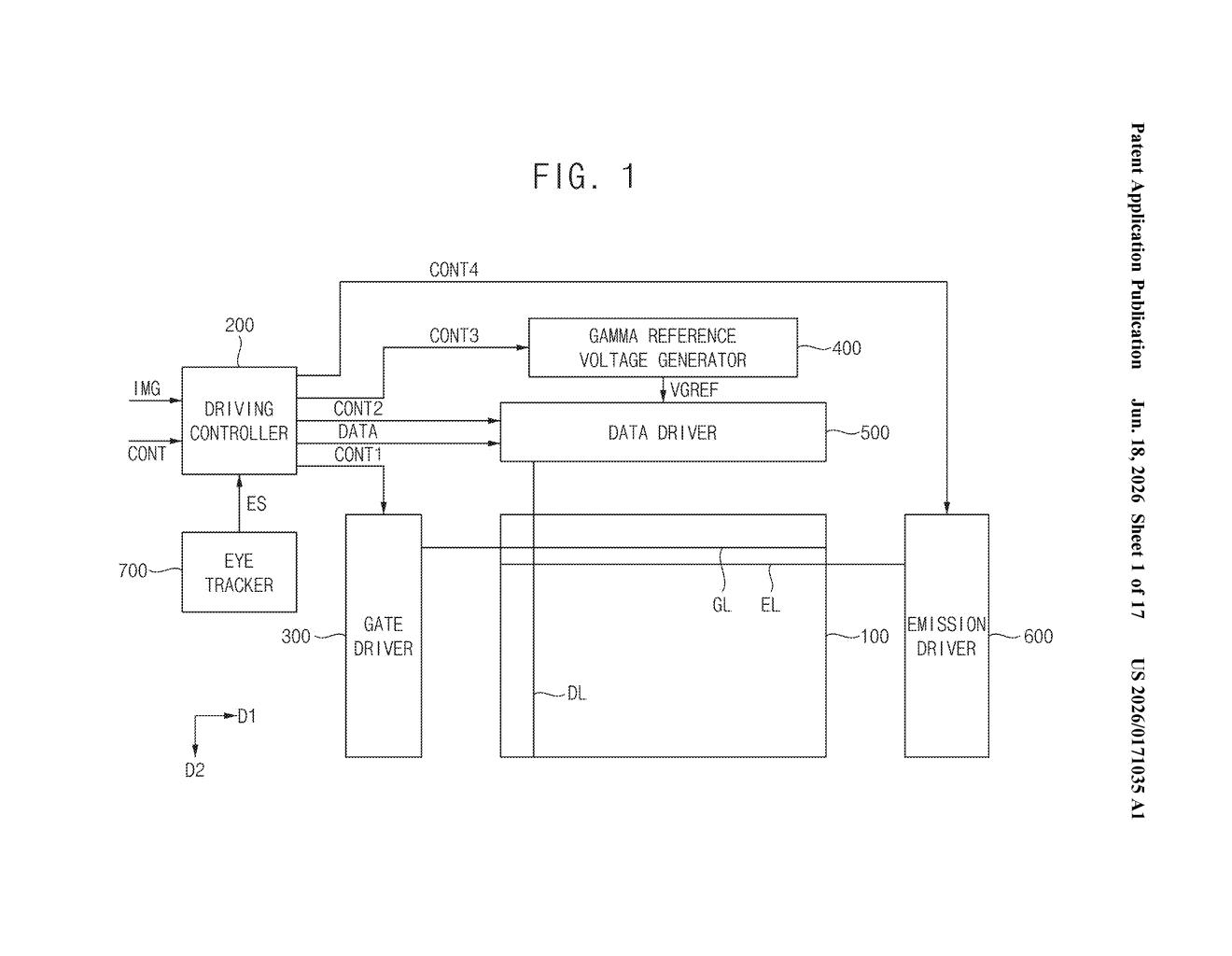
How Samsung's eye-tracking screen saves power and pixels
Imagine a TV or headset display that works like your eyes do: sharp only where you're actually looking, and lower-detail everywhere else. That's the core idea here. Samsung's patent describes a screen that watches where your gaze lands and automatically boosts the resolution in that exact zone — while quietly dialing it back in the areas your eyes aren't focused on.
The trick is that the display panel is divided into separate regions, each driven by its own independent circuit. When an eye-tracker detects you're looking at, say, the top-right corner, that zone gets the full high-resolution signal. The rest get a lighter workload.
For VR headsets and high-refresh screens in particular, this is a meaningful efficiency play. Rendering every pixel at full quality all the time is expensive in both processing power and battery. This approach lets the hardware concentrate its effort where it actually counts — where you are looking.
How the driver circuits carve the panel into independent zones
The patent describes a foveated display architecture — a system that mirrors how human vision works by concentrating detail at the point of focus and reducing it at the periphery.
The display panel is split into a plurality of display areas, each paired one-to-one with its own dedicated driver circuit and interface circuit. These circuits operate independently from each other, meaning each zone can receive a different resolution signal at the same time without affecting its neighbors.
An eye tracker continuously outputs a "view signal" — essentially a coordinate telling the system where the user's gaze is currently aimed. The driving controller receives that signal and adjusts the data voltage sent to each display zone accordingly:
- The zone where the user is looking gets a high-resolution signal.
- All other zones receive a lower-resolution signal.
- The system updates dynamically as the user's gaze moves.
Because each driver and interface circuit is independent, the resolution shifts can happen in parallel across zones without a central bottleneck — a key architectural choice that separates this from simpler software-level foveation tricks.
What this means for VR headsets and next-gen Samsung screens
The most obvious application is VR and AR headsets, where foveated rendering is already a known technique on the GPU side — but doing it at the display hardware level is more direct and potentially more power-efficient. Headsets like Samsung's rumored XR device, which would compete with Apple's Vision Pro, would benefit significantly from a display that doesn't waste pixels on the periphery your brain isn't processing anyway.
Beyond headsets, the patent's scope covers display panels broadly, so this architecture could show up in high-end monitors or laptops where eye-tracking is already present. For you as a user, the payoff would be longer battery life or the ability to run sharper center-of-screen detail without needing a more powerful chip to drive the whole panel at once.
Foveated rendering is not a new concept — VR developers have been doing it in software for years — but baking it into the display hardware itself is a more elegant and efficient approach. Samsung Display filing this suggests they're building the panel-level infrastructure to support next-generation headsets where every milliwatt and every millisecond of latency counts. This is the kind of foundational patent that matters more in context than in isolation.
There are more where this came from
We read every patent application Big Tech publishes and send you the ones worth knowing. Plain English, free, every week.
Want this weekly breakdown for a company we don't cover? Patentlyze Pro →