
Sony Patents LED Wall Tech That Fixes Colors Before a Camera Even Shoots
When a film crew shoots actors in front of a giant LED wall, the camera lens can make the background look subtly warped. Sony's new patent describes a system that fixes that distortion automatically, based on exactly which camera and lens are being used.
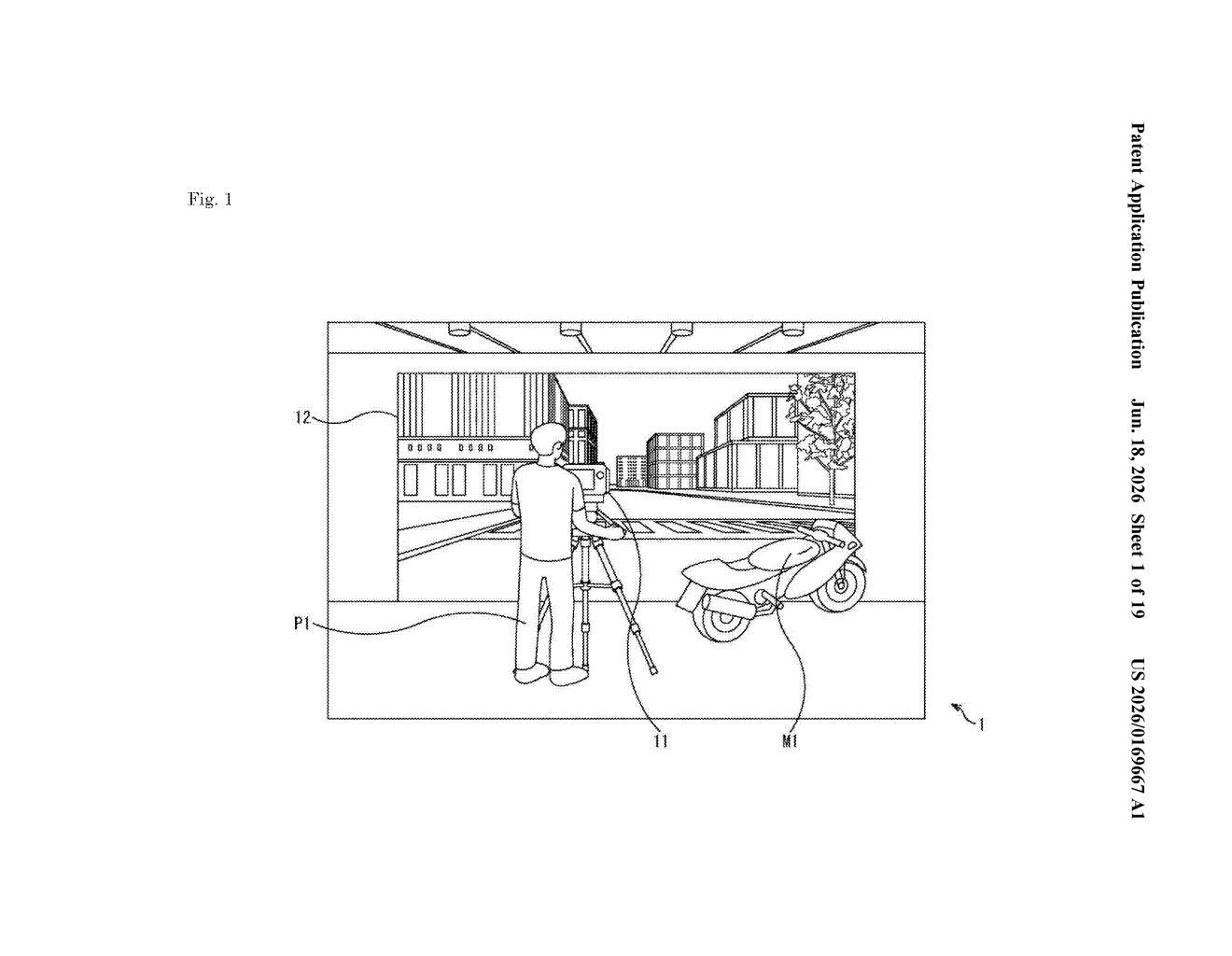
What Sony's LED wall lens correction actually does
Imagine a movie set where, instead of flying actors to an exotic location, the crew places them in front of a massive wall of LED screens showing a digital background. It looks great to the naked eye — but the moment a camera points at it, the lens can bend and distort the image in ways the audience will notice.
Sony's patent describes a system that takes information about the specific camera being used — its position, angle, and lens characteristics — and adjusts what's displayed on the LED wall before the camera captures it. The idea is that what looks slightly distorted on the wall looks perfectly correct through the camera's viewfinder.
This is essentially a behind-the-scenes calibration tool for virtual production stages, the kind increasingly used to film TV shows and blockbusters without leaving a studio.
How the system applies per-lens distortion corrections
The system works by collecting data about the camera in use — including lens parameters (the specific optical properties of that lens, like how much it bends light toward the edges of the frame) and the camera's physical position and angle relative to the LED display.
Using that information, a display control unit applies a distortion correction to the image being shown on the LED wall. The correction is essentially the inverse of what the lens will do: if the lens bends the image outward, the wall pre-bends it inward, so the two cancel out and the camera captures a clean result.
The patent also references post-process corrections — adjustments that would normally be applied to footage after shooting — and describes reflecting those corrections directly in the displayed image instead, so the camera captures something closer to the finished look from the start.
Key inputs the system uses:
- Camera position relative to the display
- Camera attitude (the direction it's pointed)
- Shooting conditions (distance, angle, etc.)
- One or more lens parameters specific to the attached lens
What this means for virtual film production stages
Virtual production — shooting actors in front of LED walls instead of real locations — has become a major part of how TV and film are made. But the technique has a persistent technical headache: what looks correct on the wall often looks wrong through a specific camera and lens combination, requiring time-consuming fixes in post-production.
A system that handles this correction in real time, tuned to the exact camera on set, could reduce that rework and give directors a more reliable what you see is what you get experience during the shoot itself. For productions running on tight schedules, that's a meaningful practical benefit — less guesswork, fewer surprise problems when the footage arrives in the editing room.
This is a focused, practical patent aimed squarely at a real problem that virtual production crews deal with on working sets. It's not a flashy consumer technology, but Sony is deeply embedded in both the camera hardware and professional display markets, which makes them a credible filer here. The patent's scope is fairly narrow — distortion correction based on lens data — so don't expect this to be a broad claim over all LED wall software.
There are more where this came from
We read every patent application Big Tech publishes and send you the ones worth knowing. Plain English, free, every week.
Want this weekly breakdown for a company we don't cover? Patentlyze Pro →