
Samsung Patents a System That Measures Your Screen Before Fetching an AI Summary
Most AI-generated summaries dump a fixed block of text onto your screen, regardless of how much room you actually have. Samsung's new patent wants to flip that around by measuring the available space first, then asking the server for exactly the right amount of text.
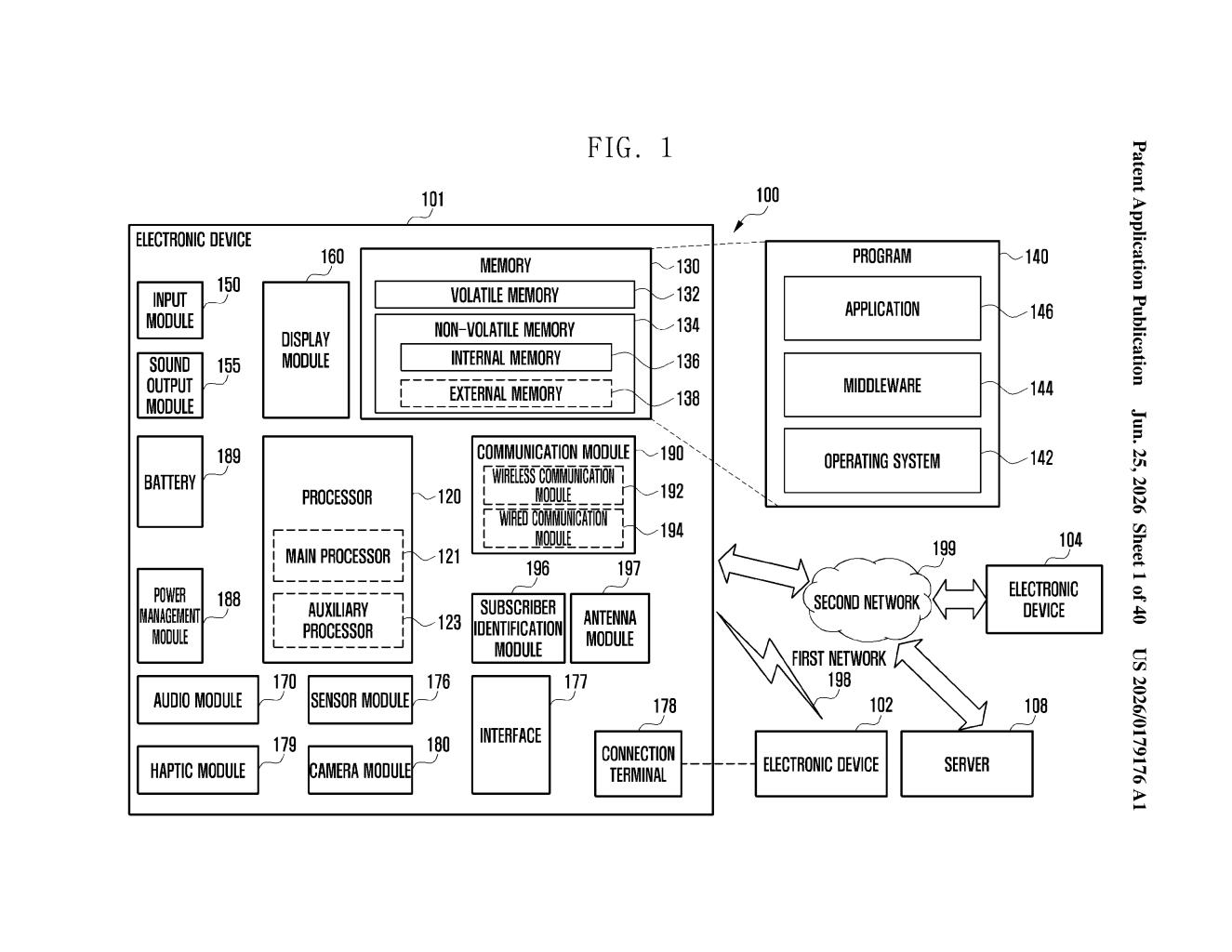
How Samsung fits AI summaries to any screen size
Imagine you ask your phone to summarize a long article. The phone sends that request to a server, gets back a paragraph of text, and then... it's either too long and gets cut off, or too short and leaves awkward blank space on screen. That mismatch is annoying, and it happens because the server has no idea how big your display is or what font you're using.
Samsung's patent fixes this by adding a measurement step before the request goes out. Your device checks how much screen space is available for the summary and what font size will be used. From those two numbers, it works out roughly how many characters of text will actually fit, then sends that target length to the server along with the summary request.
The server returns a summary sized to match. What you see should fill the space cleanly without overflow or dead space. It sounds like a small detail, but on a device like a foldable phone where screen proportions change constantly, getting this right every time is genuinely tricky.
How the device calculates text length before the server request
The patent describes an electronic device (a phone, tablet, or foldable) that coordinates with a remote server to generate AI text summaries of a precise, pre-calculated length.
Here's the sequence the patent lays out:
- The device identifies the pixel dimensions of the UI area reserved for the summary.
- It factors in the font size currently set by the user or the app.
- From those two inputs it calculates a target text length (essentially: how many characters fit in that space).
- It bundles that length target as a second piece of information alongside the actual summary request and sends both to the server.
- The server returns a summary shaped to that specification, which the device displays.
The key insight is that the length constraint is computed on the device, before the network call, rather than being handled after the fact by truncation or reflowing. This means the server's language model can write to the right length from the start, rather than producing a generic response that gets trimmed client-side.
The patent covers the method in general terms, so it could apply to any UI surface where a summary panel appears: a notification shade, a lock screen widget, a side panel on a foldable, or an in-app reading assistant.
What this means for AI summaries on phones and foldables
For most people, this would show up as AI summaries that simply look right on screen. No more truncated sentences ending in ellipses, no awkward white space below three words of text. On foldable phones like the Galaxy Z Fold series, where the screen can be half-open or fully unfolded, a dynamic sizing system like this is especially practical because the available display area changes constantly.
More broadly, this reflects a design philosophy where the device and the server negotiate the output format together, rather than the server producing a one-size-fits-all response. As AI-generated text appears in more corners of a phone's interface, small infrastructure decisions like this one will determine whether the experience feels polished or patched together.
This is unglamorous plumbing work, but it's the kind of detail that separates a polished AI feature from one that feels bolted on. Samsung's foldable lineup makes this more relevant than it would be for a company with a single fixed-screen device. Don't expect a press release, but you'll probably notice the result.
There are more where this came from
We read every patent application Big Tech publishes and send you the ones worth knowing. Plain English, free, every week.
Want this weekly breakdown for a company we don't cover? Patentlyze Pro →