
Sony Patents a Game Controller That Pushes Back With a Moving Weight
Sony is exploring a new kind of game controller that doesn't just rumble — it physically nudges your hand using a weighted mechanism that shifts around inside the grip.
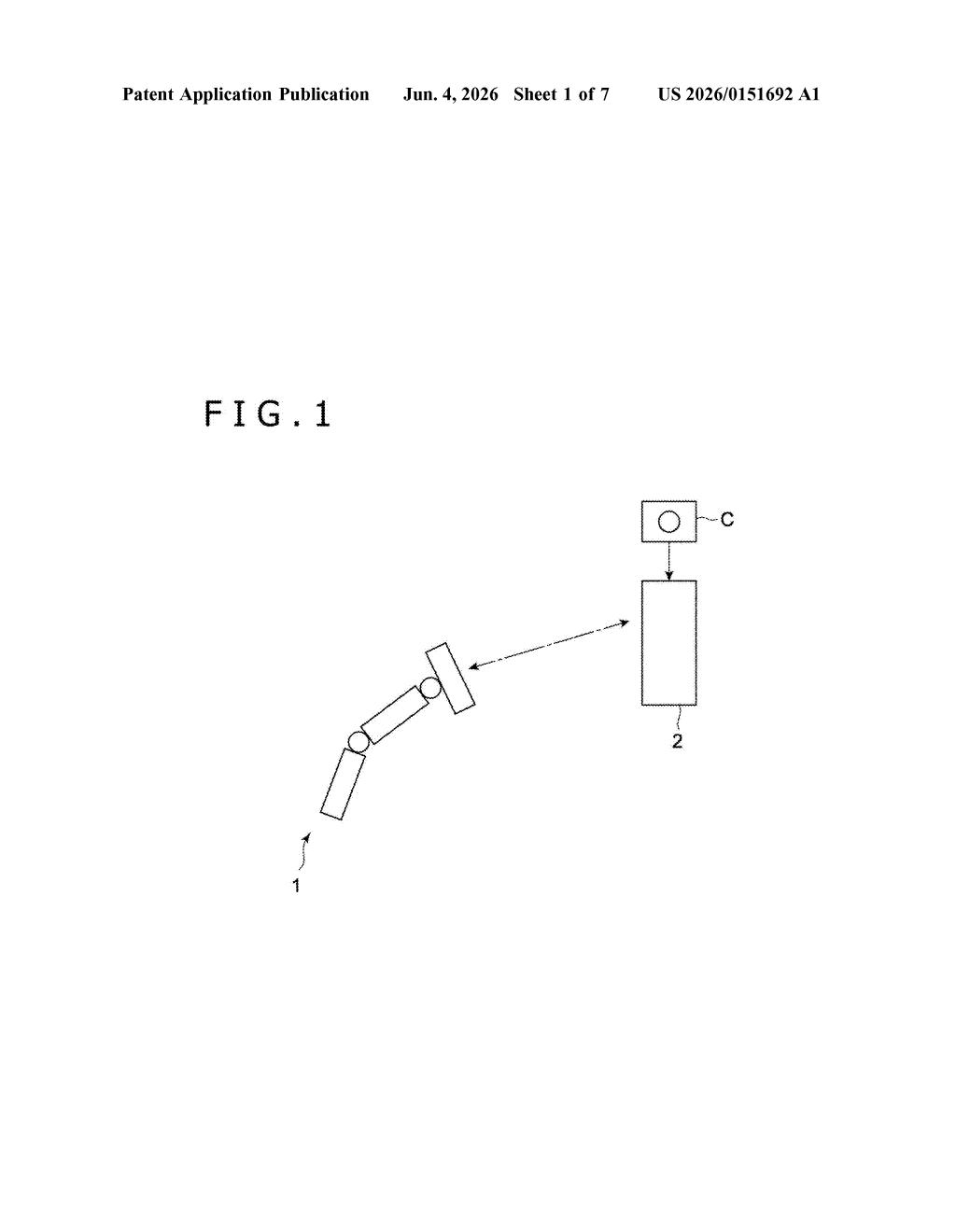
What Sony's force-feedback controller actually does
Imagine holding a fishing rod in a game and actually feeling tension pulling your wrist forward, or gripping a sword and sensing its weight shift as you swing. Today's controllers mostly buzz and vibrate, but Sony's patent describes something different.
The idea here is a controller with a movable weight inside it — attached to the grip through a kind of hinge or joint — that can physically move relative to where your hand is holding it. That movement creates what engineers call a kinesthetic sense: the feeling of force, resistance, or momentum transmitted through your muscles and joints, not just your skin.
In plain terms, instead of your controller just buzzing when you get hit, it might actually tug or push against your hand in a direction that matches what's happening on screen. That's a meaningful upgrade over vibration alone.
How the movable weight creates a sense of force
The patent describes a controller device built around two main components: a support body (the grip you hold) and a kinesthetic sense presentation section — a subsystem connected to the grip via a joint (a pivot or hinge point).
Inside that kinesthetic section sits a movable weight that can shift position relative to the joint's attachment point. When the weight moves, it generates inertial force — the same physics that makes a pendulum feel heavy when it swings. That force is transmitted back through the joint and into the grip your hand is holding, creating a directional push or pull sensation.
This is distinct from standard eccentric rotating mass (ERM) or linear resonant actuator (LRA) haptics — the tech inside most phones and controllers today — which produce localized vibration. A shifting weight on a jointed arm can produce sustained directional forces, not just buzzing. Think of the difference between someone tapping your hand versus someone pressing on it.
The patent is fairly broad at this stage, covering the core architecture of
- a grip-based support body
- a jointed kinesthetic section
- a mass that moves relative to that joint
without locking in specific motor types or actuation methods.
What this means for PlayStation controller haptics
Sony's DualSense controller already raised the bar with adaptive triggers and more nuanced vibration. A directional force-feedback mechanism built into the grip itself would be a significant step beyond that — closer to what high-end VR haptic gloves or industrial simulation equipment can do, but in a standard gamepad form factor. For players, it could mean feeling the actual weight and momentum of in-game objects, not just an approximation of them.
The broader context matters too. With PlayStation VR2 already shipping and Sony investing heavily in immersive experiences, controllers that deliver richer physical feedback are a natural extension. This patent doesn't confirm a shipping product, but it signals that Sony's input device research is pushing toward kinesthetic realism — making the controller feel like part of the game world rather than just a button interface.
This is a genuinely interesting direction for controller hardware. Vibration haptics have hit a ceiling — everyone's ERM motors feel roughly similar — and directional force feedback is the obvious next frontier. Whether Sony can fit this into an ergonomic, affordable controller without making it heavy or fragile is the real engineering challenge, and this patent doesn't answer that. But the research intent is clear and worth tracking.
There are more where this came from
We read every patent application Big Tech publishes and send you the ones worth knowing. Plain English, free, every week.
Want this weekly breakdown for a company we don't cover? Patentlyze Pro →