
Google Patent Reveals Clickable Follow-Up Links Embedded Directly Within AI Responses
Google is patenting a system where its AI doesn't just answer your question, it also highlights key phrases in that answer and turns them into clickable links that automatically ask the next logical follow-up question for you.
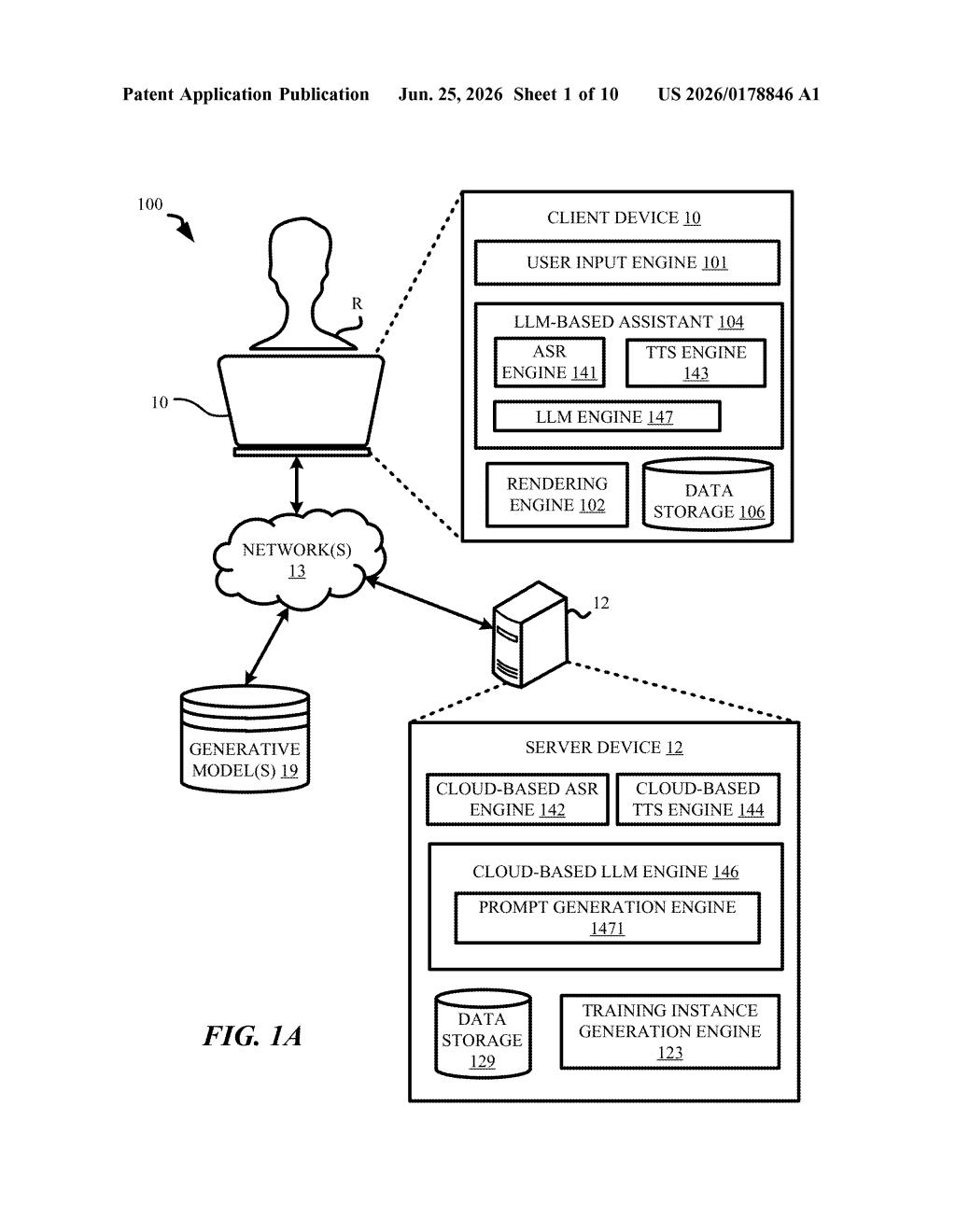
What Google's clickable AI answer links actually do
Imagine you ask an AI assistant about a health symptom and it gives you a paragraph of information. Now picture that certain words in the answer, say, "inflammation" or "cortisol", are highlighted and tappable. You tap one, and the AI immediately digs deeper into that specific topic, no retyping required. That's the core idea here.
Google's patent describes training an AI model to write its responses in a way that secretly embeds follow-up questions alongside certain key phrases. When the response is displayed to you, those phrases appear as clickable links. Behind the scenes, each link carries a pre-written follow-up question the AI itself decided was worth asking.
This turns a single query into a kind of guided conversation where the AI anticipates where your curiosity might go next, and gives you a one-tap shortcut to get there. Think of it like Wikipedia's internal links, but generated on the fly by the AI for your specific question.
How the model writes its own follow-up links in markup
The system works by fine-tuning a large language model (LLM), an AI trained on massive amounts of text, to output its answers in markup language rather than plain text. Markup language (like HTML) is the same format used to build web pages; it can carry invisible instructions alongside visible text.
In this case, the model wraps certain key phrases in anchor tags (the HTML element that creates a hyperlink). Each anchor tag contains a follow-up question the model has decided is relevant to that phrase. The system then strips out the markup and renders the answer as clean, readable text for the user, but the key phrases stay selectable.
When you tap or click one of those phrases, the stored follow-up query fires automatically and the same fine-tuned model processes it, generating a new response. The patent specifies a "predefined number" of anchor tags per response, so the AI doesn't turn every word into a link.
The key technical trick is that the model is trained to do this in one shot: it writes the answer and embeds the follow-up links simultaneously, rather than running a separate pass to add links afterward.
What this means for how you search with Google AI
For everyday users, this changes the rhythm of AI search. Right now, getting from a broad answer to a specific detail requires you to rephrase and retype a follow-up question. This patent would let Google's AI do that work for you, effectively turning its answers into interactive documents you can explore by tapping.
From a strategic angle, this is Google anchoring its AI answers more deeply into the search loop. Every tap on a follow-up link keeps you inside Google's AI interface rather than sending you to a separate search results page, which matters a lot for how Google measures and monetizes AI-driven search engagement.
This is a genuinely useful UX idea, not just a technical filing. The hard part, training a model to embed structured links inside fluent prose in a single generation step, is real engineering, and the payoff for users is tangible. Whether it ships as a feature in Google Search or AI Overviews soon is the only real question.
There are more where this came from
We read every patent application Big Tech publishes and send you the ones worth knowing. Plain English, free, every week.
Want this weekly breakdown for a company we don't cover? Patentlyze Pro →