
Google Patents a System That Has AI Pick Your Music and Talk to You Between Tracks
Google is patenting a system that acts like a personalized radio DJ, where an AI picks music for you and then lowers the volume to deliver spoken commentary tailored to your context, before automatically queuing up the next track.
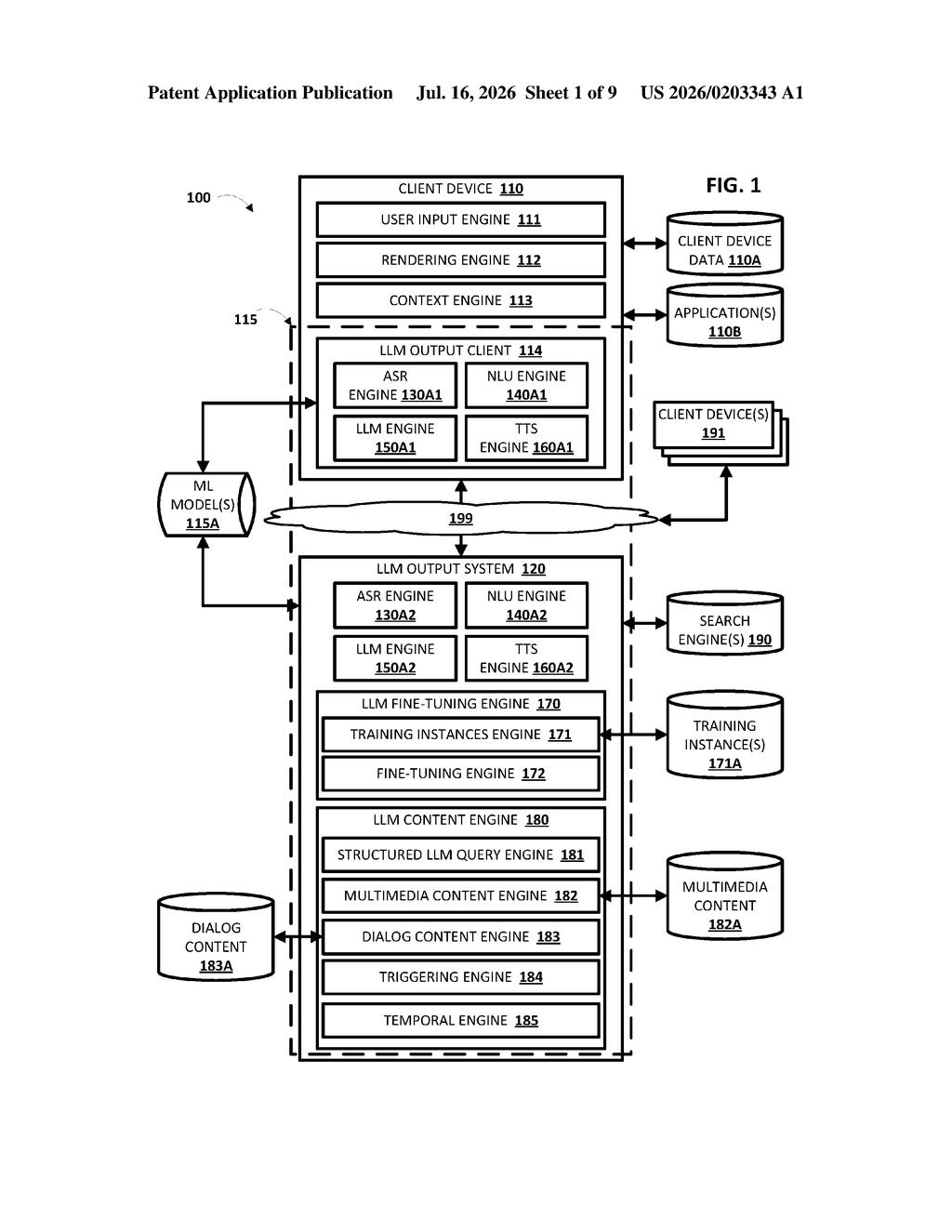
How Google's AI DJ idea actually works for listeners
Imagine a radio station that knows everything about you. It picks a song, plays it through your speaker, and then, at just the right moment, fades the music down so a voice can say something relevant to you specifically before the next song kicks in. That's the core idea in this Google patent.
The system asks an AI (specifically a large language model, the same type of technology behind ChatGPT) to figure out both what to play and what to say based on your personal context, which might include your habits, preferences, location, or time of day. The AI doesn't just pick one song and stop. When the spoken commentary finishes, it automatically generates a fresh query to decide what comes next.
Think of it as Google building the logic for an AI host that manages an entire personalized audio session for you, not just a playlist, but a curated experience with a voice that checks in along the way.
How the LLM query loop picks content and times commentary
The patent describes a processor-based system that responds to a user starting a streaming session by firing off what Google calls a structured LLM query (a precisely formatted question sent to a large language model). That query is built from contextual data about the user, things like their listening history, time of day, location, or other behavioral signals.
The AI returns two things at once: a piece of multimedia content to stream (such as a music track) and a piece of dialog content (spoken commentary). The system plays the audio, then watches for the right moment to deliver the commentary. When that moment comes, it ducks the volume (automatically lowers the music) and plays the spoken segment over or between the audio.
Once the commentary finishes, the loop restarts automatically. The system generates a new structured query using fresh contextual data, gets new content and new commentary from the AI, and continues the session. Key components include:
- Context-aware LLM queries built from user data
- Coordinated audio ducking so music and speech don't overlap
- Proactive pre-generation of upcoming content so there's no awkward gap
- A continuous loop that refreshes after each commentary segment
What this means for AI assistants and streaming audio
This patent sits at the intersection of AI assistants and audio streaming, two areas Google is heavily invested in through products like Google Assistant and YouTube Music. The system isn't just a better shuffle algorithm; it describes a dynamic, conversational audio experience where the AI acts as host, not just a queue manager. If this ships in any form, it would change what a streaming session feels like: less like pressing play on a playlist and more like tuning into a station that knows you.
For you as a listener, the implications are real. Personalized commentary could surface things relevant to your day, your mood, or recent news about an artist you follow. The flip side is that the system depends on feeding substantial personal context into an AI model, which raises the same data-use questions that follow every ambient AI product Google builds.
This is a genuinely interesting patent because it describes a specific, shippable behavior rather than vague AI personalization. The audio ducking loop and proactive query pre-generation show Google has thought through the timing mechanics carefully. Whether it shows up in a Nest speaker, YouTube Music, or Google Assistant is the only real open question.
Get our take in your Top Stories
Liked this breakdown? Add Patentlyze as a preferred source on Google, and our plain-English take shows up more often in your Top Stories the next time Google patent news breaks.
There are more where this came from
We read every patent application Big Tech publishes and send you the ones worth knowing. Plain English, free, every week.
Want this weekly breakdown for a company we don't cover? Patentlyze Pro →