
Google Patents a Reverberation Decorrelation Method for Spatial Audio Compression
Spatial audio sounds immersive when it's played back on good speakers — but compressing it without making the reverb sound flat and artificial is genuinely hard. Google's latest patent tackles exactly that problem.
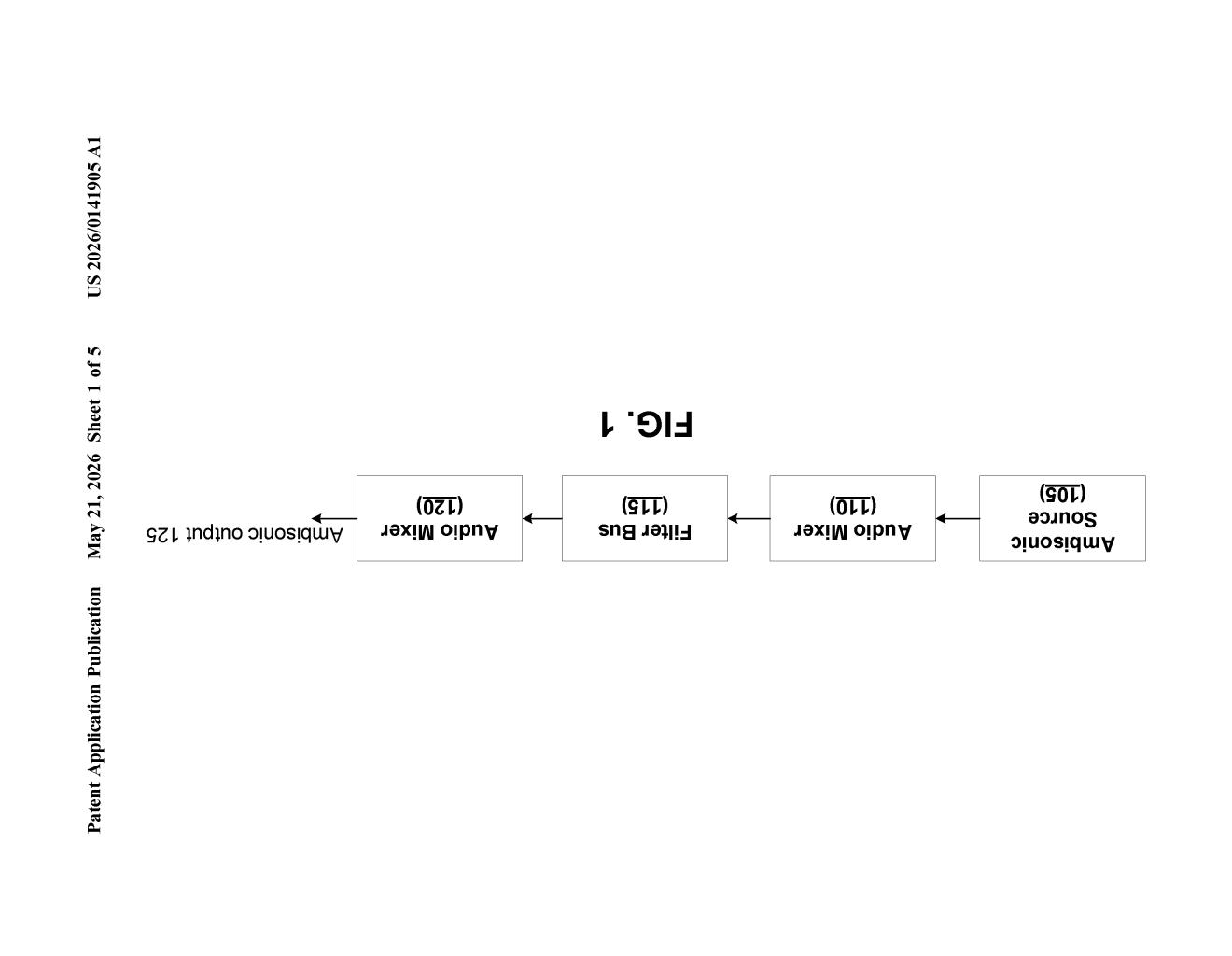
What Google's Ambisonics decorrelation technique actually does
Imagine you're watching a concert recorded in a large hall. The sound reaches your ears not just directly from the stage, but also bouncing off the walls and ceiling — that's reverberation. When engineers try to compress that 360-degree spatial audio for streaming, the reverb often gets squeezed into a muddy, homogeneous blob. The result: the "space" in the recording disappears.
Google's patent describes a way to preserve that sense of space during compression. The trick is called decorrelation — making the reverb in different audio channels sound slightly different from each other, so they don't collapse into one indistinct wash. It does this by splitting the audio channels into two groups and mixing each group with a slightly time-delayed version of the audio, then combining everything into what it calls an augmented Ambisonics model.
Ambisonics is the format used to encode full-sphere spatial audio — think VR video, YouTube 360, or immersive music experiences. This patent is essentially about making that format survive the compression process with its spatial qualities more intact.
How the time-delayed channel mixing builds the augmented model
The patent describes a pipeline for processing Ambisonics audio — a multi-channel format that encodes sound from every direction around a listener — before or during compression.
Here's the core sequence:
- Receive a multi-channel Ambisonics audio signal.
- Split the channels into two groups (a "first portion" and a "second portion").
- Mix each group with a time-delayed copy of one of the channels — essentially adding a slightly offset echo into each group separately.
- Combine the original channels plus both sets of mixed channels into an augmented Ambisonics model.
The key insight is decorrelation — the process of making audio channels sound less identical to each other. In reverberant spaces, different microphones or virtual microphone positions should capture slightly different-sounding reflections. If they all sound the same (highly correlated), a codec can collapse them efficiently, but the spatial illusion breaks down on playback.
By injecting time-delayed versions of channels into different subsets, the patent creates subtle differences between channels that a decoder can use to reconstruct a more convincing sense of three-dimensional space. The filter bus and audio mixer components shown in the patent diagram handle the routing and blending logic. This is signal-processing work at the codec level, not a perceptual trick layered on top.
What this means for spatial audio in Google's ecosystem
Spatial audio is increasingly central to how Google delivers content — YouTube 360, Android spatial audio APIs, and immersive media on Pixel devices all rely on Ambisonics or related formats. A compression artifact that flattens reverb isn't just an audiophile complaint; it makes VR environments feel less believable and concert recordings feel claustrophobic.
This patent is focused on the encoding side of the pipeline, which means if it ships in something like a future version of the Opus codec or a YouTube transcoding system, you might benefit from it without any change to your playback device. Better spatial audio at the same bitrate is a real quality-of-life improvement for anyone using headphones with spatial rendering or watching immersive content.
This is solid, unglamorous codec engineering — the kind of work that makes a real difference in audio quality but never makes a product launch slide. The decorrelation approach using time-delayed channel mixing is well-established in audio research, so the novelty here is likely in the specific implementation details rather than the concept itself. It's worth watching because Google's codec team (this group includes contributors to the Brotli and JPEG XL efforts) tends to actually ship what it patents.
There are more where this came from
We read every patent application Big Tech publishes and send you the ones worth knowing. Plain English, free, every week.
Want this weekly breakdown for a company we don't cover? Patentlyze Pro →