
Google Patents a Display Shield That Also Acts as a Multiband Antenna
Inside most phones and tablets, the metal plate that protects the display from electrical interference just sits there doing one job. Google thinks it can do two.
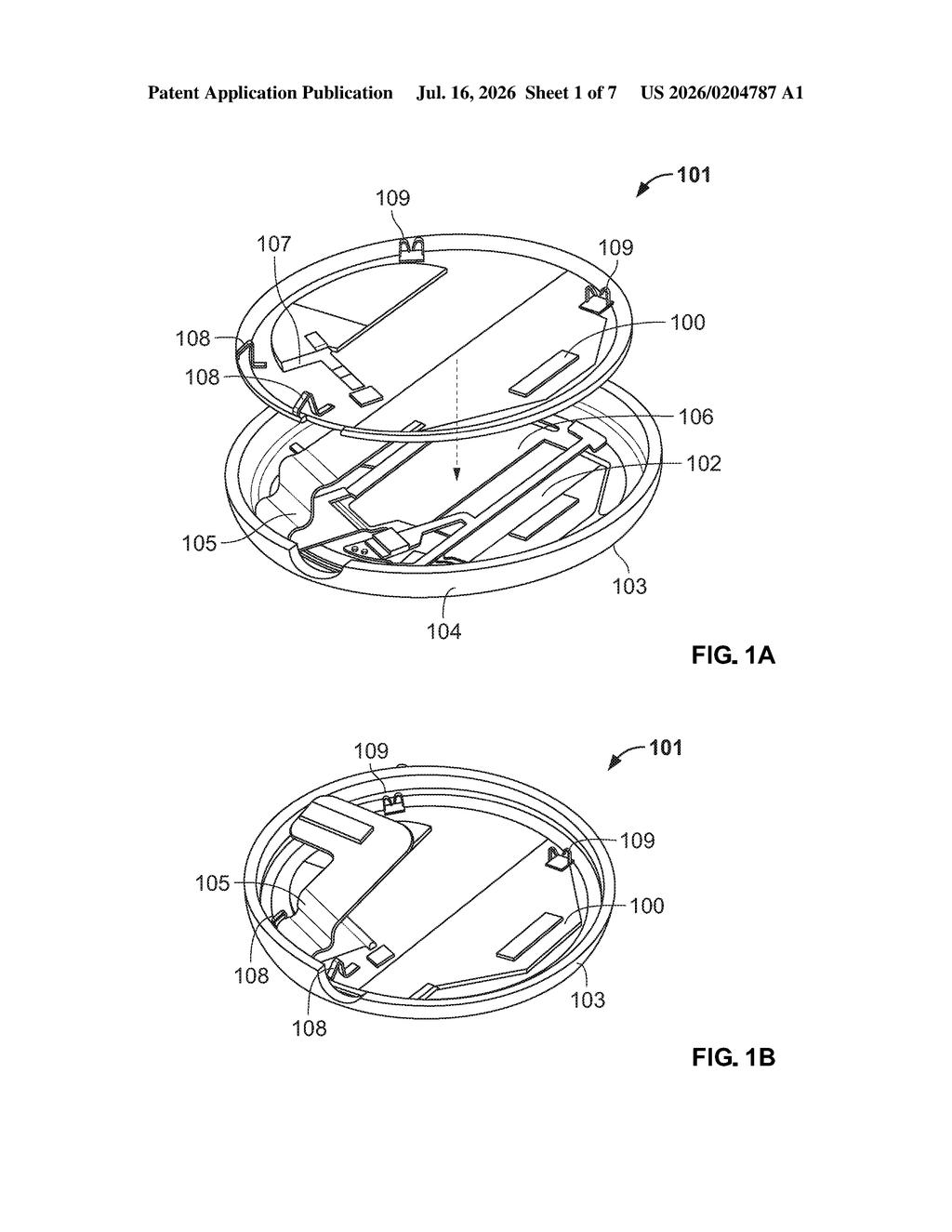
How Google's display shield pulls double duty
Inside any phone or tablet, there's a thin metal barrier that keeps the display electronics from interfering with everything else on the circuit board. It's a shield, and normally that's all it ever does.
Google's patent turns that shield into a working antenna. Instead of adding a separate antenna component, the same piece of metal that protects your screen also sends and receives radio signals, across multiple frequency bands, by connecting it to tuning circuitry on the main board.
The idea is essentially about getting more out of a part that was already there. If it works as described, it could free up space inside a device, reduce the number of separate parts engineers need to fit together, or allow a device to be made thinner without sacrificing signal quality.
How the shield tunes across multiple frequency bands
The patent describes a multiband antenna built out of the display shield, the metal plate that normally separates display components from the rest of a device's electronics.
Two connections link the shield to the main logic board:
- An antenna feed that sends the first radio frequency signal into the shield
- An antenna shorting pin that provides a second radio frequency signal, effectively creating a second resonant path through the same metal
An antenna tuning circuit (think of it as a dial that adjusts which radio frequencies the shield responds to) connects to both of those points and can switch the shield between different frequency bands. That means one piece of metal could cover Wi-Fi, Bluetooth, cellular, or other wireless standards depending on how it's tuned at any given moment.
The shield is also grounded to the device's outer enclosure through small metal clips, which keeps it electrically stable while it handles both its original shielding job and its new antenna role.
What this means for thinner, better-connected devices
Wireless devices are running out of easy places to hide antennas. As screens get bigger and bezels get thinner, the open space traditionally reserved for antenna strips shrinks. Reusing an internal structural component like the display shield sidesteps that problem without requiring a redesign of the device's overall shape.
For you as a user, the direct benefit would likely be invisible: better signal performance in a device that doesn't need to be any thicker, or a thinner device that doesn't sacrifice connectivity. For Google's hardware team, it's a path to fewer discrete parts and potentially simpler assembly in products like Pixel phones or Pixel tablets.
This is practical, unglamorous engineering that solves a real problem: antenna real estate inside modern devices is genuinely scarce. The dual-use display-shield idea is clever, and the tuning circuit detail suggests Google has thought through the multiband challenge rather than just patenting a vague concept. Whether it ships in a Pixel product or stays on paper is another question, but the underlying problem it's solving is concrete.
There are more where this came from
We read every patent application Big Tech publishes and send you the ones worth knowing. Plain English, free, every week.
Want this weekly breakdown for a company we don't cover? Patentlyze Pro →
Be the first to weigh in