
Google Wants to Sell Ads in Your AI Chatbot's Pauses, Patent Shows
Every time an AI chatbot pauses mid-answer, that silence is a potential ad slot. Google has now filed a patent to fill exactly those gaps with keyword-targeted content.
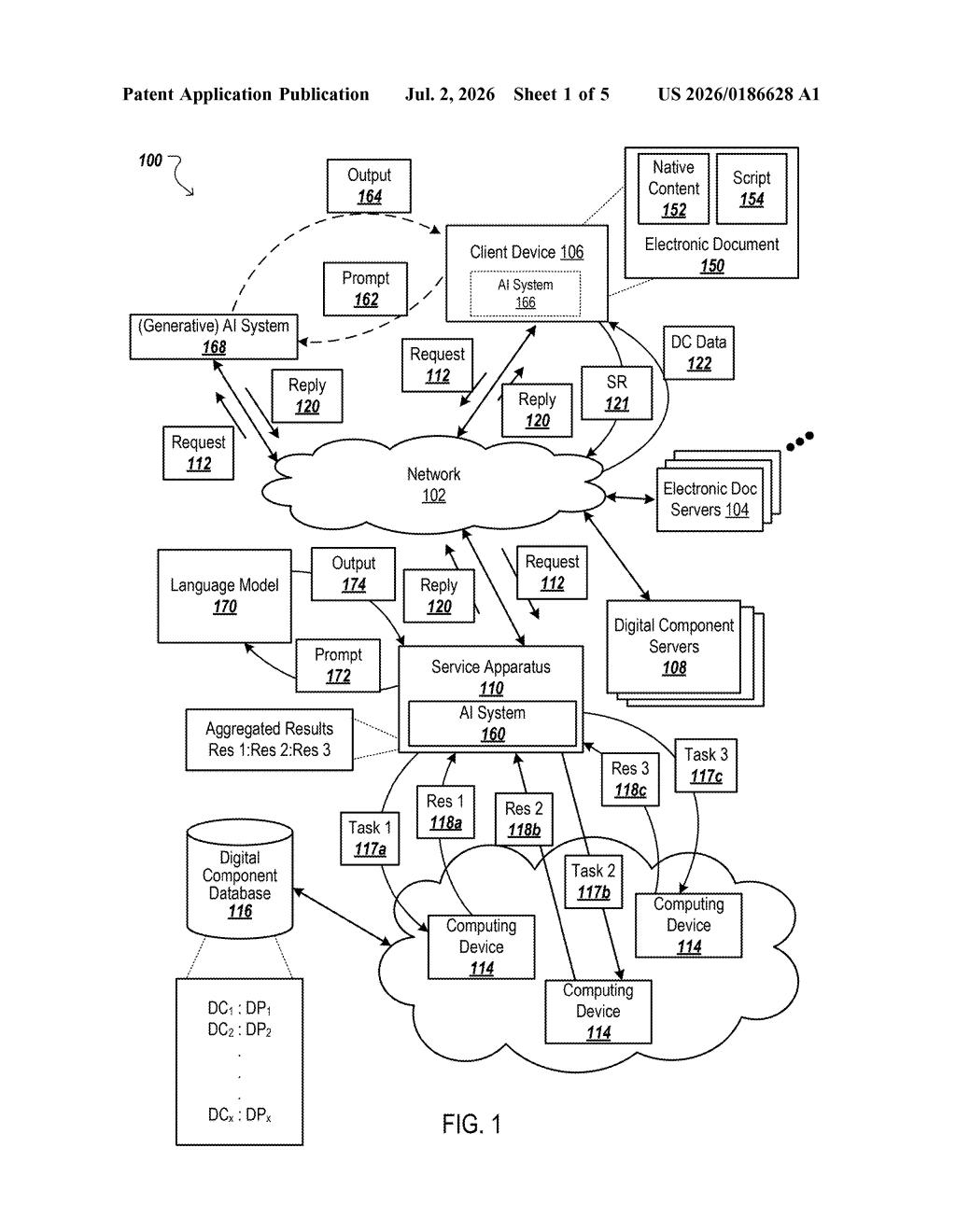
What Google's AI chat ad-insertion system actually does
Imagine you ask Google's AI assistant for advice on planning a trip, and while it's still typing out the response, it pauses for a second. During that pause, a hotel ad or a link to a travel booking site appears in the chat window. That's the core idea here.
Google's patent describes a system that watches both what you ask and what the AI is saying, pulls out relevant keywords, and generates ads or other "digital components" timed to slip into the natural pauses that happen while the AI is still composing its answer.
The result is that the AI conversation becomes an advertising surface, not unlike how Google already places ads next to search results. The difference is that this happens inside the chat, in real time, timed to moments when the AI happens to take a breath.
How Google detects pauses and matches ads to keywords
The patent describes a pipeline with several steps that happen in sequence during a live AI conversation.
- Keyword extraction: The system scans both your input message and the AI's output as it's being generated, identifying terms that can be matched to ad inventory.
- Digital component generation: Using those keywords, the system retrieves or assembles "digital components" (the patent's term for ads, sponsored links, or similar content).
- Pause detection: The system monitors the AI's output stream for pauses, meaning moments when the model temporarily stops producing text while still working on the rest of the answer. These pauses are a normal artifact of how large language models generate text in chunks.
- Timed insertion: The digital components are injected into the conversation UI at the exact location corresponding to each detected pause, so ads appear to fit naturally into the flow of the response.
The claimed method is platform-agnostic in its framing, covering any AI system that uses a language model, but the context makes it clear this is designed for Google's own AI products.
What this means for the future of AI assistants and ads
Google's business depends on search advertising, and AI chat has been eating into traditional search usage. This patent is a direct attempt to carry that ad model into the chat format. If you've been using Gemini or any Google AI product and wondering how Google plans to make money from it, this filing is a pretty clear answer.
For users, it raises real questions about the experience. Ads injected mid-response could feel intrusive in a way that sidebar ads do not, since the chat interface creates an expectation of a clean, focused conversation. Whether Google actually ships this, and how prominently, will matter a lot to how AI assistants feel to use day-to-day.
This is one of the more telling patents Google has filed in the AI era. It isn't a technical leap forward; it's a monetization blueprint. Google is essentially admitting that AI chat needs to pay for itself the same way search does, and pauses in a streaming response are the new white space on a results page. Whether users tolerate it will depend entirely on how Google implements it.
Get our take in your Top Stories
Liked this breakdown? Add Patentlyze as a preferred source on Google, and our plain-English take shows up more often in your Top Stories the next time Google patent news breaks.
There are more where this came from
We read every patent application Big Tech publishes and send you the ones worth knowing. Plain English, free, every week.
Want this weekly breakdown for a company we don't cover? Patentlyze Pro →