
Google Patents a Self-Improving ML System for Prioritizing App Updates
Google is patenting a system that doesn't just decide which app updates to install first — it continuously pits two competing ML models against each other to figure out which one is better at making that call.
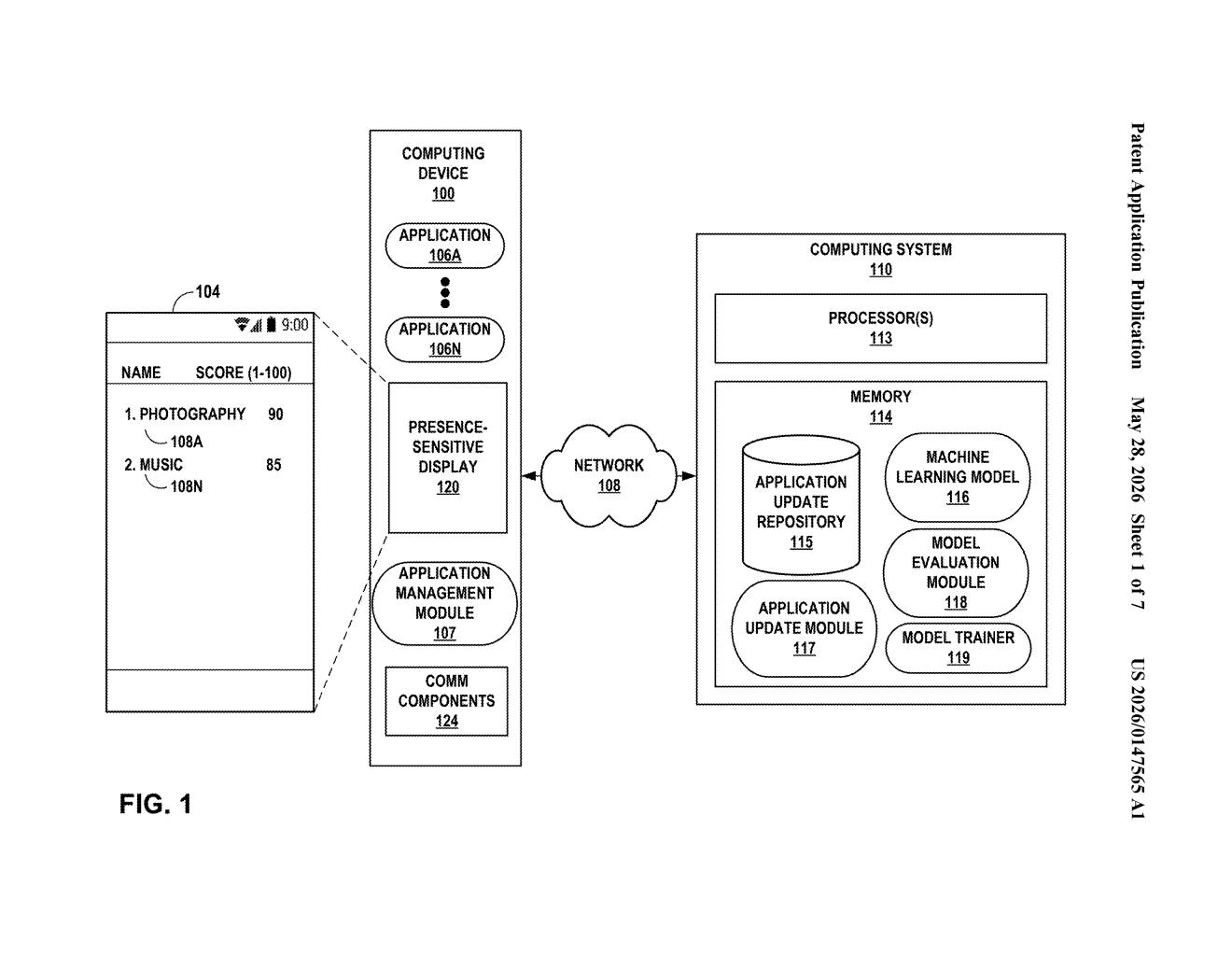
What Google's ML-ranked app updates actually do
Imagine your phone has 12 pending app updates sitting in the queue. Today, they install in roughly the order Google Play feels like pushing them. This patent describes a system that would score every pending update using a machine learning model and then deliver them to your device in priority order — most important first.
But here's the part that makes it more than a simple ranking system: Google's approach runs two different ML models simultaneously across different devices, then measures which model's prioritization choices actually led to better outcomes. The winner gets promoted as the preferred model going forward.
Think of it like a quiet A/B test running in the background of the entire Android ecosystem. Over time, the system theoretically gets better at deciding that a security patch for your banking app should jump ahead of a cosmetic update to a photo editor.
How Google's dueling ML models pick a winner
The system has three main jobs: score, deliver, and evaluate.
- Score: When a device checks in for update information, the computing system (Google's backend) applies an ML model to assign a numeric priority score to each pending update for that device's installed apps. Higher score = install sooner.
- Deliver: The device receives those scores and uses them to order its update queue. When it sends an update request back, the backend initiates installation accordingly.
- Evaluate: This is the key claim. The system tracks which updates actually got installed under each model's guidance, then measures the effectiveness of each model — essentially grading it on whether its prioritization choices were correct.
The first independent claim specifically describes a model selection mechanism: two ML models run in parallel on different device populations, their effectiveness scores are compared, and the better-performing model is designated the preferred model for future prioritization decisions. This is essentially automated model selection (picking the best algorithm without human intervention), which keeps the ranking logic from going stale as app ecosystems and user behavior change.
What this means for Android update delivery
For Android users, the practical upside is that security-critical or stability-fixing updates could reliably reach your device before lower-stakes feature patches — without you having to think about it. Right now, update ordering in Google Play is opaque and not clearly ML-driven in this self-improving way.
For Google, the bigger play is infrastructure efficiency. With billions of Android devices checking in for updates, an ML system that continuously self-optimizes its prioritization logic — and does so automatically by comparing model performance across real device populations — is genuinely useful at scale. It also reduces the need for Google engineers to manually retune update ranking heuristics when app categories or threat landscapes shift.
This is solid, unglamorous platform engineering — the kind of thing that quietly improves the experience for hundreds of millions of users without anyone noticing. The self-selecting dueling-model architecture is the genuinely clever part; it turns update prioritization from a static heuristic into a continuously improving feedback loop. Worth paying attention to if you care about how Android update delivery actually works under the hood.
There are more where this came from
We read every patent application Big Tech publishes and send you the ones worth knowing. Plain English, free, every week.
Want this weekly breakdown for a company we don't cover? Patentlyze Pro →