
Google Patents a Phone Incognito Mode That Swaps Your Cellular Identity
Browsers have had incognito mode for years — Google now wants to bring that same concept to your phone's cellular identity, swapping out the SIM profile that carriers use to track you, then quietly swapping it back.
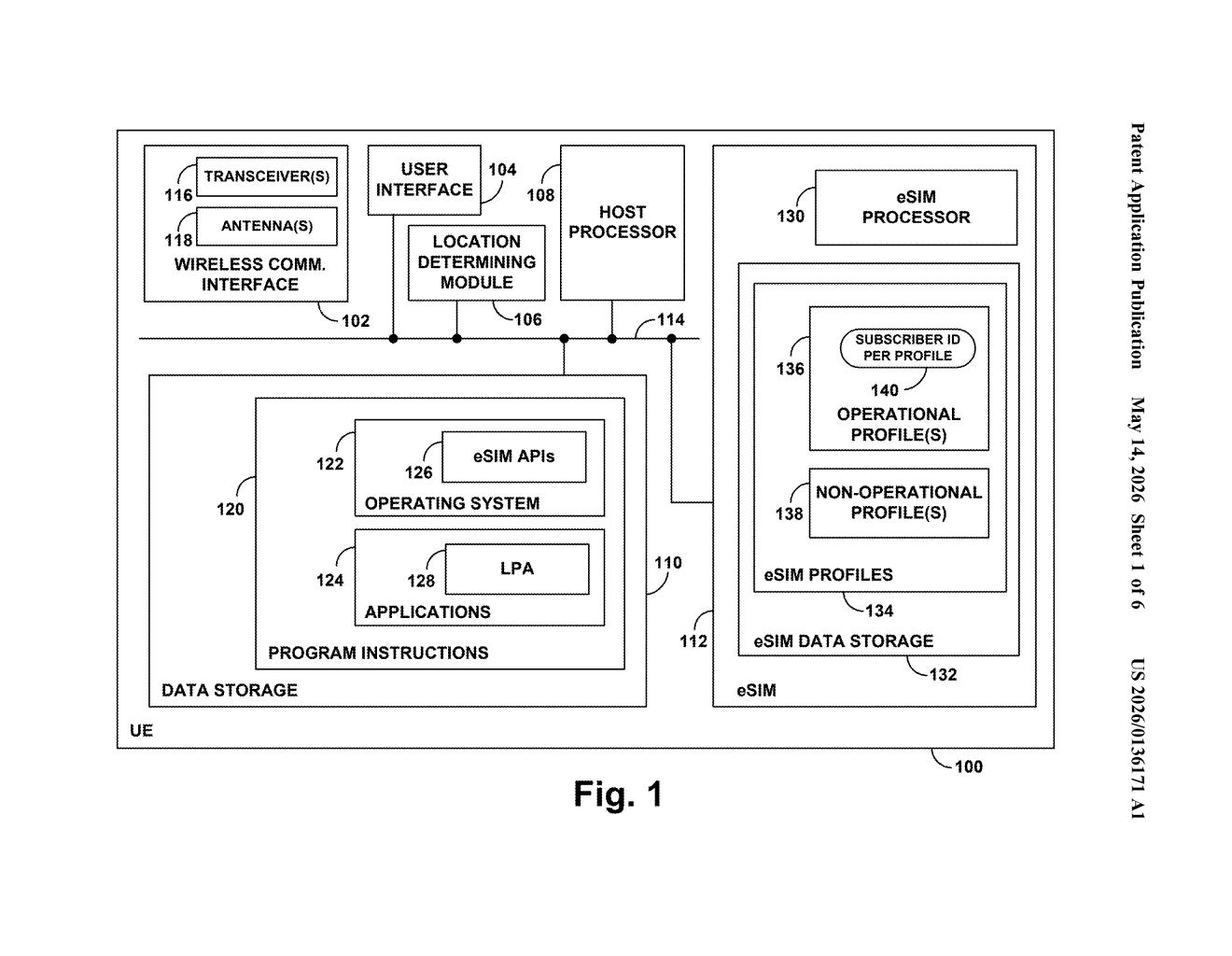
What Google's cellular incognito mode actually does
Imagine you're heading to a sensitive location — a medical clinic, a political rally, or just somewhere you'd rather your carrier not log. Your phone normally broadcasts a unique subscriber ID (the number tied to your SIM card) to every cell tower it touches. That ID is how your carrier — and anyone watching — can track where you've been.
Google's patent describes a system where your phone can temporarily switch to a different eSIM profile with a completely different subscriber ID. To the network, it looks like a different device entirely. When the time period ends — or the triggering condition goes away — your phone automatically reverts to your normal identity. No manual switching needed.
The trigger for entering this mode could be a specific location, a time of day, or something else you've set up in advance. Think of it like a burner SIM that activates and deactivates itself on a schedule, built right into your phone's hardware.
How the eSIM profile swap hides your subscriber identity
The patent describes a method for a device with an eSIM (an embedded SIM chip that can hold multiple carrier profiles simultaneously) to temporarily swap its active cellular identity.
Here's the core flow:
- The phone detects a trigger — which could be entering a geographic area, reaching a certain time, or another programmatic event.
- It deactivates the primary eSIM profile (your normal phone number and subscriber ID) and activates a secondary profile with a different subscriber identifier — one that has never been used before in that eSIM, making it harder to correlate with your real identity.
- After a set time period, the phone automatically deactivates the secondary profile and reactivates the original one, returning to your normal cellular identity.
The key detail is that the secondary profile uses a different subscriber identifier (the IMSI, or International Mobile Subscriber Identity — essentially your SIM's social security number on the carrier network). This means cell towers, and anyone eavesdropping on signaling, see a different device entirely during the incognito window.
The patent also specifies that the secondary profile must not have been previously active in that eSIM — a design choice that prevents an observer from linking the temporary profile back to your primary one through historical usage patterns.
What this means for Android privacy and location tracking
Cell-tower location data is one of the most persistent and least-understood forms of mobile tracking. Unlike app-level location permissions, your carrier knows where your phone is by design — it has to, to route calls. That data gets subpoenaed, sold to data brokers, and exploited by stalkerware. A hardware-level incognito mode that operates below the app layer would sidestep all of that during the active window.
For Android users, this could eventually surface as a privacy feature tied to Sensitive Locations protections Google has already introduced in other contexts. The auto-revert mechanism is the practical unlock here — it makes the feature usable without requiring you to remember to switch back, which is usually why privacy tools fail in the real world.
This is one of the more genuinely interesting privacy patents Google has filed in a while — it attacks a tracking vector (carrier subscriber IDs) that software-only solutions can't touch. The auto-revert design is smart and shows someone thought about real user behavior. Whether carriers would actually cooperate with provisioning throwaway eSIM profiles at scale is the big open question, but the underlying concept is solid.
There are more where this came from
We read every patent application Big Tech publishes and send you the ones worth knowing. Plain English, free, every week.
Want this weekly breakdown for a company we don't cover? Patentlyze Pro →