
Google Patents a Way to Hand Your Phone Off From Satellite to Cell Tower Automatically
Satellite connectivity is great when you're off the grid, but switching back to a regular cell tower should be seamless — and right now, it often isn't. Google is filing patents to fix exactly that.
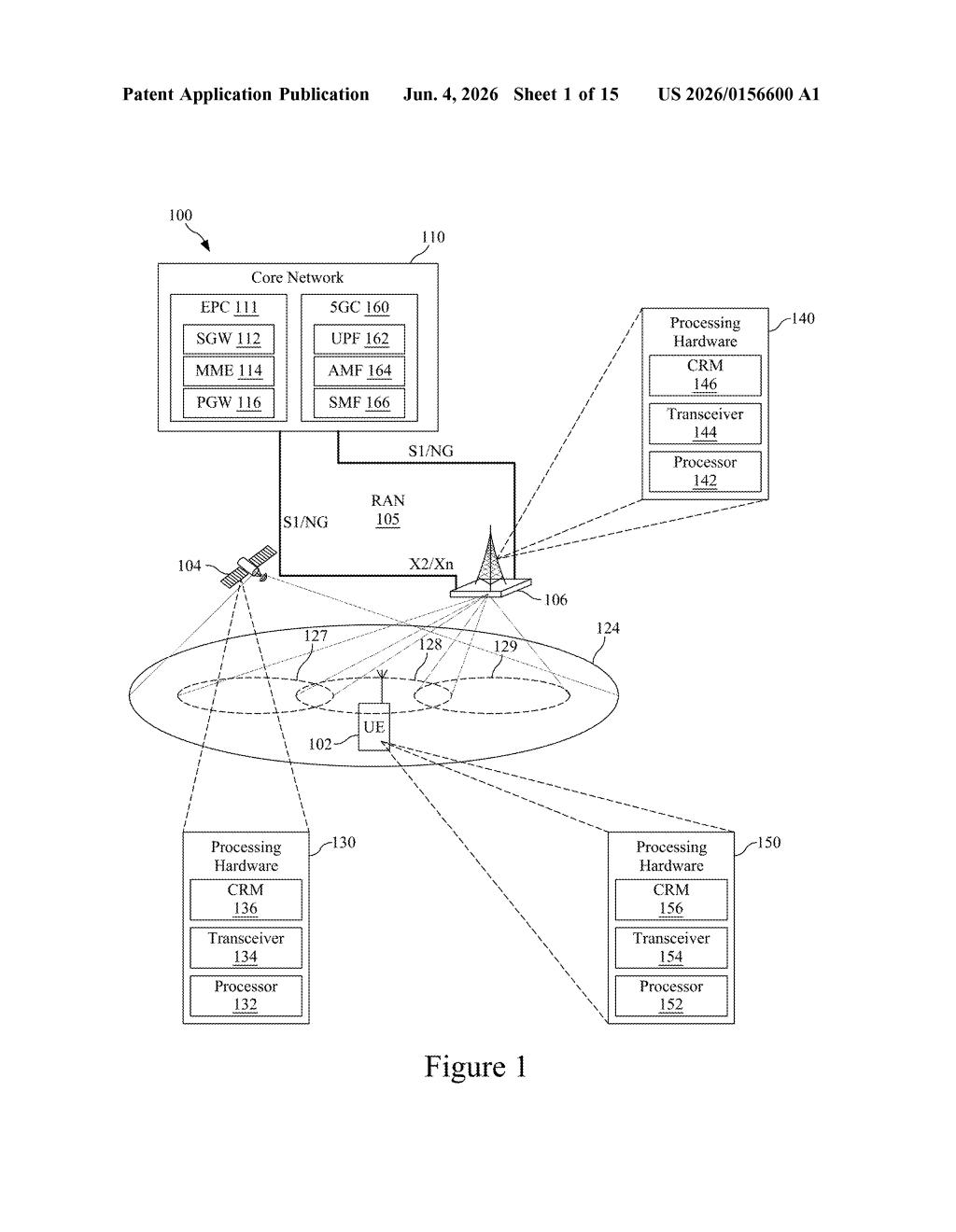
How Google's satellite-to-cell handover actually works
Imagine you're hiking in a remote area and your phone is connected to a satellite network — the kind that beams a signal down from orbit when no cell towers are around. Now you're walking back into town. Ideally, your phone should quietly switch over to the regular cellular network the moment one is available, without you noticing a thing.
The problem is that constantly scanning for cell towers drains your battery fast — and it's wasteful if you're nowhere near one. Google's patent describes a smarter approach: your phone first figures out whether it's even close to a terrestrial coverage area before it bothers measuring nearby cell towers. Only when it determines you're in or near that zone does it start the handover process.
This kind of "look before you leap" logic keeps your phone from burning through battery doing unnecessary radio scans while you're still deep in satellite-only territory, while still ensuring a smooth transition the moment you're back in range of a regular network.
How the UE decides when to scan for cell towers
The patent describes a handover mechanism — a way for a device (called "user equipment" or UE in telecom standards language) to transition from a Non-Terrestrial Network (NTN) cell, like a low-Earth orbit satellite, to a Terrestrial Network (TN) cell, like a standard 4G or 5G tower.
The key insight is conditional measurement. Rather than having the device continuously scan for terrestrial cell signals (which wastes power), the system has the device first determine its geographic proximity to a known terrestrial coverage area. Think of it like a GPS-aware gate: the phone only opens up its terrestrial radio scanner once it establishes it's within or near a TN coverage zone.
- The device camps on the NTN cell (stays connected via satellite).
- It periodically checks whether its location puts it within or near a defined terrestrial network coverage area.
- Only when the proximity condition is met does it begin measuring signal parameters from nearby TN cells.
- Once a suitable TN cell is found, the handover is executed.
This conditional logic is the core of the patent's contribution — reducing unnecessary radio activity while still enabling timely, smooth transitions back to terrestrial coverage.
What this means for satellite-connected Android devices
As satellite connectivity becomes a real feature on consumer devices — not just a niche tool — the handover experience between satellite and cell networks will define how useful it actually feels in practice. A clunky or slow transition could make satellite connectivity feel more like a gimmick than a reliable fallback.
For Android devices (and potentially Pixel phones specifically), a patent like this suggests Google is thinking carefully about the full connectivity lifecycle — not just getting devices onto satellite networks, but making the return to terrestrial coverage feel invisible to you. Battery efficiency is the other angle: smarter scanning logic could meaningfully extend device uptime in hybrid-coverage scenarios.
This is solid, unsexy infrastructure work — the kind of thing that makes a feature feel polished rather than half-baked. Satellite connectivity is only as good as its handover story, and Google filing patents in this space suggests it's treating NTN as a real part of Android's connectivity roadmap, not an afterthought. Worth watching as satellite phone features become standard.
There are more where this came from
We read every patent application Big Tech publishes and send you the ones worth knowing. Plain English, free, every week.
Want this weekly breakdown for a company we don't cover? Patentlyze Pro →