
Samsung Patents a Graphics Chip That Sharpens Its Own Image Quality on Demand
Samsung has patented a GPU technique that can automatically detect when a graphics calculation is about to get complicated — and quietly upgrade its own math precision before things go wrong.
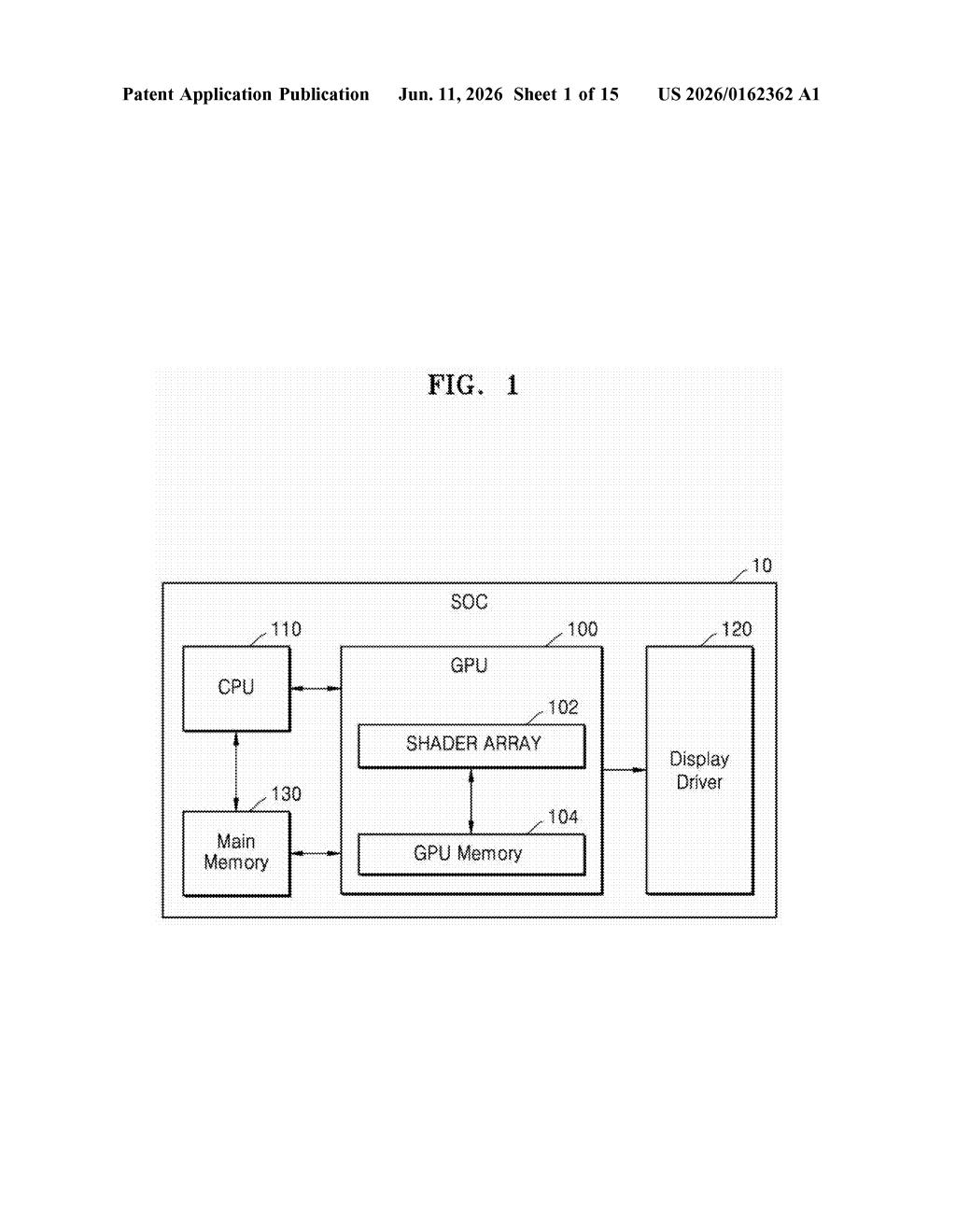
What Samsung's self-adjusting GPU precision actually does
Imagine your GPS app switching from a rough city-block estimate to precise turn-by-turn directions the moment you enter a tricky interchange. Something similar is what Samsung is proposing for graphics chips.
When a GPU renders a scene — calculating shadows, lighting, and surface colors — it sometimes hits a fork in the road called a branch. Branches are decision points where the math can go one of several ways, and that's exactly when rounding errors and visual glitches tend to creep in. Most chips just barrel through at whatever precision they were already using.
Samsung's patented approach lets the GPU's controller notice these branch points ahead of time and automatically switch to higher-precision math for those specific instructions. The rest of the scene keeps running at normal precision, so you're not burning extra power across the board — only where accuracy actually counts.
How the heuristic detects branching and shifts precision
The patent describes a shader engine — the part of a GPU responsible for calculating how every pixel on screen should look — built around a technique Samsung calls heuristic precision modulated shading (PMS).
The core components are:
- An instruction buffer that holds the list of graphics operations to execute
- A controller that schedules when each instruction runs — and, crucially, at what precision
- An arithmetic logic unit (ALU), the actual math engine that does the pixel calculations
- A general-purpose register that temporarily holds intermediate values mid-calculation
The key behavior is in the controller. It monitors instructions for something called a source operand of a branch — meaning it watches for any value that feeds into a decision point in the code. When it finds one, it applies a heuristic (a rule-of-thumb algorithm, not an exact formula) to decide whether that instruction should be bumped up to high-precision mode.
This is a per-wave scheduling approach, meaning precision decisions happen at the level of a group of parallel threads (a "wave"), keeping the hardware pipeline from being disrupted.
What this means for graphics chips in Samsung devices
GPU designers constantly trade off precision vs. power: high-precision math produces cleaner images but consumes more energy and runs slower. Most chips apply a one-size-fits-all setting, leaving quality on the table in complex scenes or wasting power in simple ones.
If Samsung ships this in its Xclipse GPU line — the in-house graphics units powering Exynos chips in Galaxy phones and potentially future devices — it could mean better-looking renders in games and 3D apps without a proportional hit to battery life. It's also worth noting that Samsung supplies chips to other vendors, so a technique like this could ripple into devices well beyond its own product line.
This is solid, incremental GPU engineering — not a dramatic leap, but the kind of targeted optimization that compounds into real-world gains. The interesting part isn't that Samsung wants higher precision; it's that the chip itself decides when to apply it, which is the direction the whole industry is moving. Worth watching if you follow mobile GPU development.
There are more where this came from
We read every patent application Big Tech publishes and send you the ones worth knowing. Plain English, free, every week.
Want this weekly breakdown for a company we don't cover? Patentlyze Pro →