
Apple Patents a System to Sort Nearby Device Signals Before Your Phone Responds
Every time your iPhone is near an AirTag, a set of AirPods, or a competitor's Bluetooth tracker, it silently picks up tiny radio broadcasts called beacon advertisements. Apple's latest patent describes a way to quickly sort those broadcasts so the phone only does the expensive security work on the ones that are actually relevant.
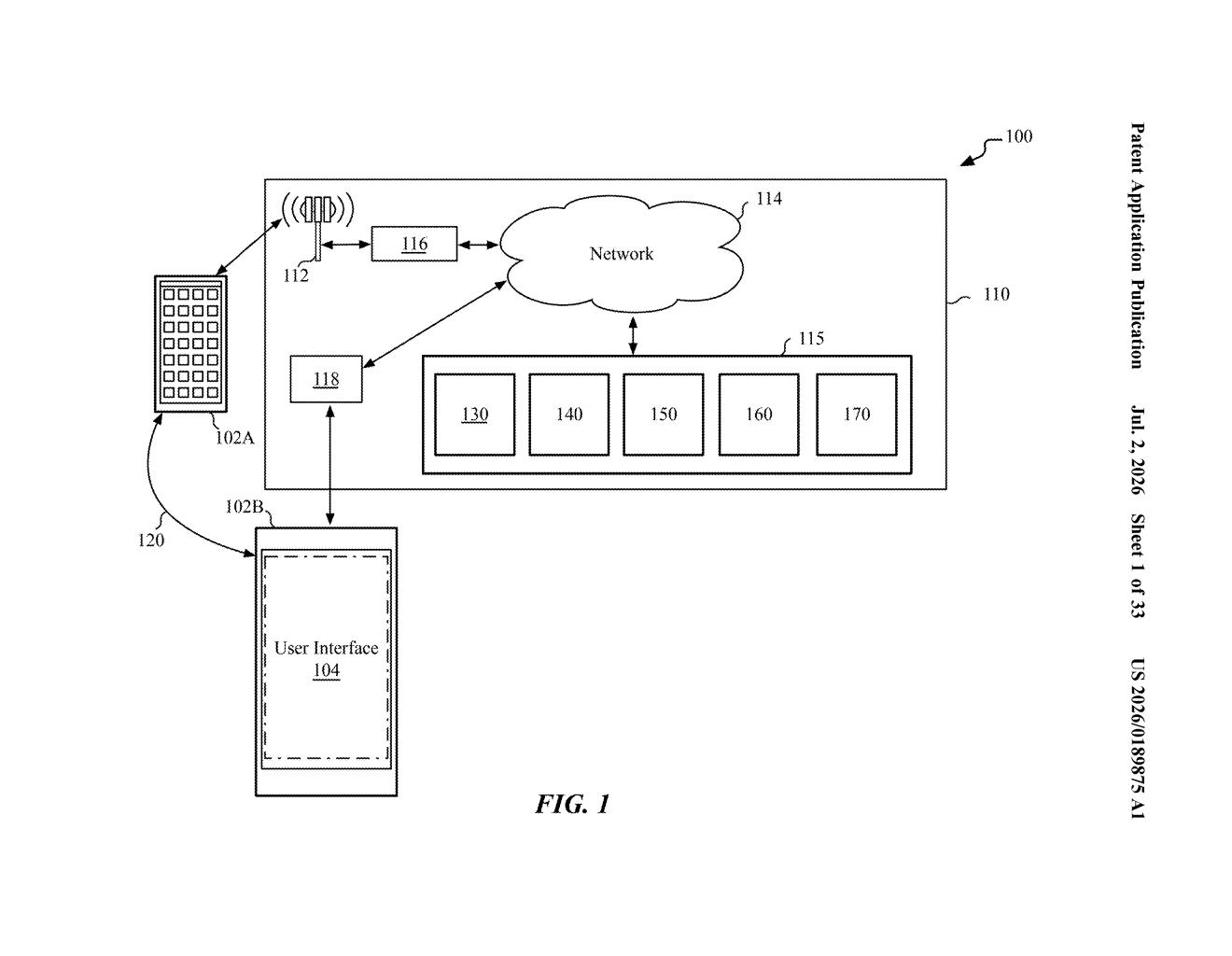
What Apple's beacon-filtering system actually does
Imagine your mailbox receives dozens of flyers every day. Most are junk you can toss without opening, but a few are addressed specifically to you and need a response. Your phone faces the same problem with Bluetooth: nearby accessories and trackers are constantly broadcasting tiny radio signals, and your phone picks up all of them, even the ones that have nothing to do with you.
Apple's patent describes a two-step filter. First, your phone's wireless chip takes a quick look at the structure of each incoming signal to decide which category it belongs to. Only signals that pass that first check get handed off for a deeper, more battery-intensive security check that figures out whether the signal is coming from your device or one you recognize.
The result is that your phone does less unnecessary work. Signals from random strangers' trackers or unrelated accessories get filtered out early, before any heavy processing kicks in. That is good for battery life and, arguably, for privacy, since your phone is only deeply examining beacons it has a reason to care about.
How the packet-type check triggers a key match
The patent covers what Apple calls "location data harvesting and pruning" for wireless accessories, a system designed to make Bluetooth beacon scanning more efficient on iPhones and similar devices.
At a technical level, the method works in two stages:
- Packet-type classification: The wireless processor inspects the raw structure of each incoming beacon advertisement packet and categorizes it as either a "first type" or a "second type." Think of this like reading the shape of an envelope before deciding whether to open it.
- Key matching (first type only): If the packet matches the first type, the device performs a cryptographic key-matching operation to determine whether the beacon belongs to a known or associated device. This is the computationally heavier step, equivalent to actually reading a letter and verifying the signature.
- Early discard (second type): Packets identified as the second type skip the key-matching step entirely, reducing wasted processing cycles.
The "wireless processor" mentioned throughout is likely a dedicated Bluetooth or Ultra Wideband chip (a low-power processor separate from the main application processor), so the filtering can happen without waking up the full CPU. This kind of hardware-level pre-screening is standard in Apple's chip architecture for accessories like AirTags and AirPods.
What this means for AirTag and Find My privacy
Apple's Find My network relies on iPhones constantly scanning for Bluetooth signals from lost devices, even in the background. As the number of Bluetooth accessories in the world grows, so does the noise your phone has to sift through. A smarter pre-filter means your phone's battery takes less of a hit from background scanning, and the system scales better as more third-party accessories join the Find My ecosystem.
There is also a privacy dimension. The patent's "pruning" framing suggests the system is designed to limit how much data the phone retains or processes about beacons it has no relationship with. That matters given ongoing regulatory and public scrutiny over Bluetooth tracker privacy, particularly around AirTags being used for unwanted tracking.
This is infrastructure work, not a headline feature, but it is the kind of unglamorous optimization that makes background services actually viable on a phone you expect to last all day. The privacy angle on beacon pruning is worth watching, especially as Apple faces continued pressure to explain how its network handles signals from devices that aren't the user's own.
Get our take in your Top Stories
Liked this breakdown? Add Patentlyze as a preferred source on Google, and our plain-English take shows up more often in your Top Stories the next time Apple patent news breaks.
There are more where this came from
We read every patent application Big Tech publishes and send you the ones worth knowing. Plain English, free, every week.
Want this weekly breakdown for a company we don't cover? Patentlyze Pro →