
Samsung Patents an HMD Sleep Mode That Slowly Fades Your Virtual World Away
Samsung is working on a way to help you fall asleep while wearing a mixed-reality headset — by gradually making your virtual world feel like it's drifting further and further away from you.
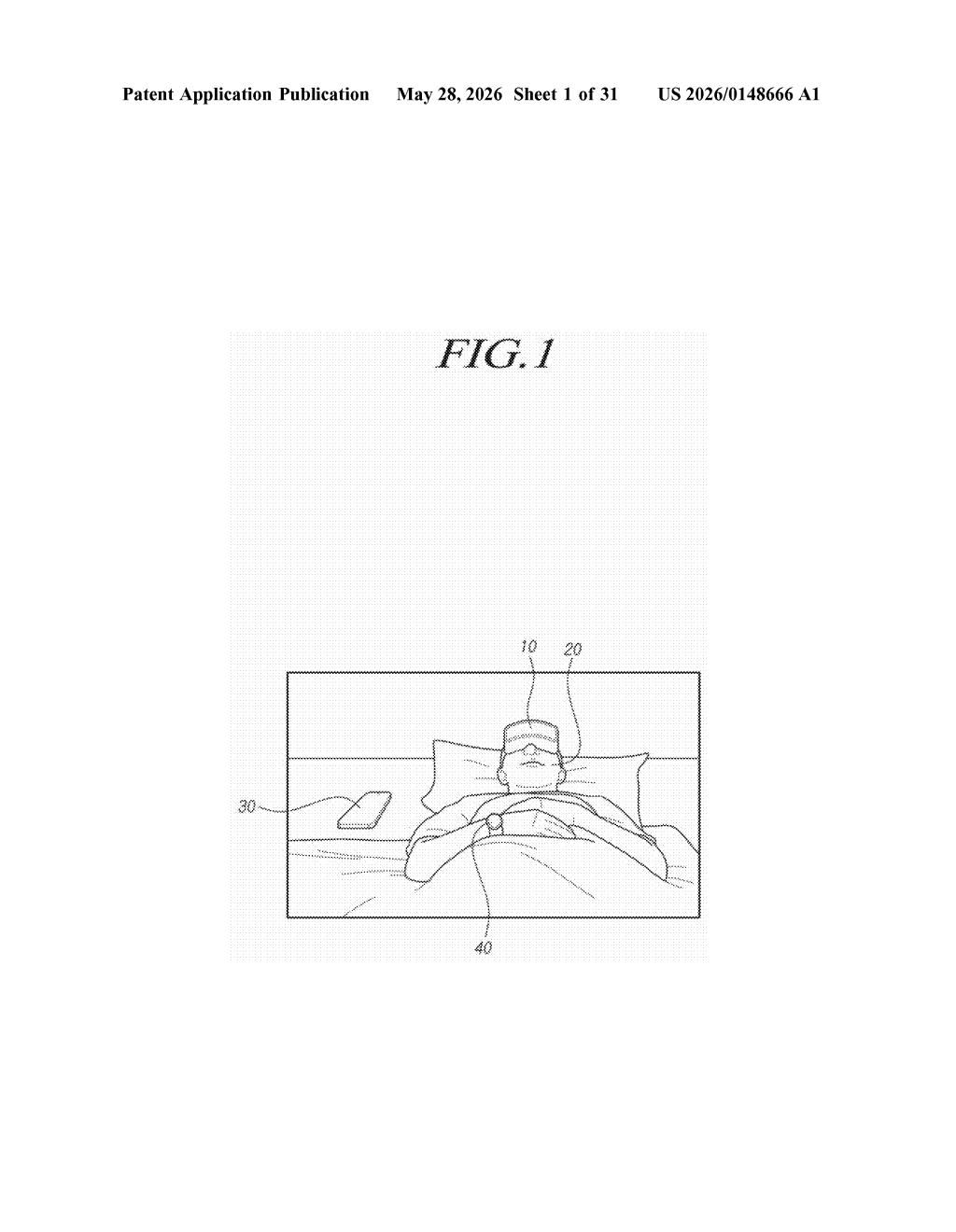
What Samsung's HMD sleep wind-down actually does
Imagine you're relaxing in bed watching a show through your VR headset, and instead of an abrupt 'time to sleep' alarm, the experience just... slowly recedes. The screen feels like it's floating backward, away from your face, getting smaller and more distant, until the real world gently fades back in around you.
That's essentially what Samsung is patenting here. The headset monitors your status — think biometric signals or time-of-day context — and when it decides you should be winding down for sleep, it triggers a sleep onset preparation sequence. Your virtual content doesn't just turn off; it transitions in stages.
The final stage blends the virtual screen with a live video pass-through view of your real bedroom, captured by the headset's front camera, so your brain gets a gentle re-anchoring to reality before you drift off. It's a sleep hygiene feature built directly into the headset experience.
How the depth effect and VST transition work together
The patent describes a two-mode display system. In the first mode, you're watching normal virtual content full-screen. When the HMD detects a trigger — based on what the patent calls status measurement information (sensor data about the user's physical or behavioral state) — it shifts into a second mode with a completely different visual effect.
The key mechanic in that second mode is a depth-increase effect: the virtual screen appears to move away from you, receding into the distance as if you're watching it shrink down a long hallway. This is achieved by manipulating the perceived 3D depth of the rendered content, making the virtual plane feel progressively farther away.
Simultaneously, the system transitions toward a Video See-Through (VST) screen — a mode where the headset's front-facing cameras feed a live image of the physical world (your actual room) into the display as a background layer. The virtual content sits on top of this real-world backdrop, progressively blending away.
The transition happens in a stepwise fashion over a defined sleep onset preparation interval, so:
- Virtual content starts at normal depth and full opacity
- The virtual screen gradually appears to recede
- The real-world camera feed bleeds in behind the content
- Eventually the display shifts fully to a VST view of the real environment
The result is a slow, deliberate fade from immersive virtual to grounded reality — timed and paced to ease the transition into sleep.
What this means for wearing AR/VR headsets to bed
VR and mixed-reality headsets are increasingly being positioned as lifestyle devices you might wear for hours, including in bed. But abrupt screen cutoffs or bright content right before sleep are known to interfere with melatonin and sleep quality. A built-in, sensor-aware wind-down routine addresses a real friction point for any headset meant to be used throughout your evening routine.
For Samsung's Galaxy XR ambitions, this kind of feature signals an intent to own the health and wellness layer of headset use — not just entertainment. If competitors aren't building sleep-aware UX into their HMD software stacks, Samsung is signaling it plans to.
This is a thoughtful, genuinely user-centered patent — not a flashy technical feat, but a real UX problem solved in a clever way. The depth-recession effect as a sleep cue is an elegant use of 3D display capability that flat screens simply can't replicate. Whether it ships as a feature depends heavily on how accurate the 'status measurement' sensors actually are, but the concept itself is worth tracking.
There are more where this came from
We read every patent application Big Tech publishes and send you the ones worth knowing. Plain English, free, every week.
Want this weekly breakdown for a company we don't cover? Patentlyze Pro →