
IBM Patents an AI That Watches Your Calls and Messages for Scam Attempts
Phone scams powered by AI-generated voices are already fooling people into wiring money to fake relatives. IBM is patenting a system that trains a personal AI model on your own communication history to flag those tricks before they land.
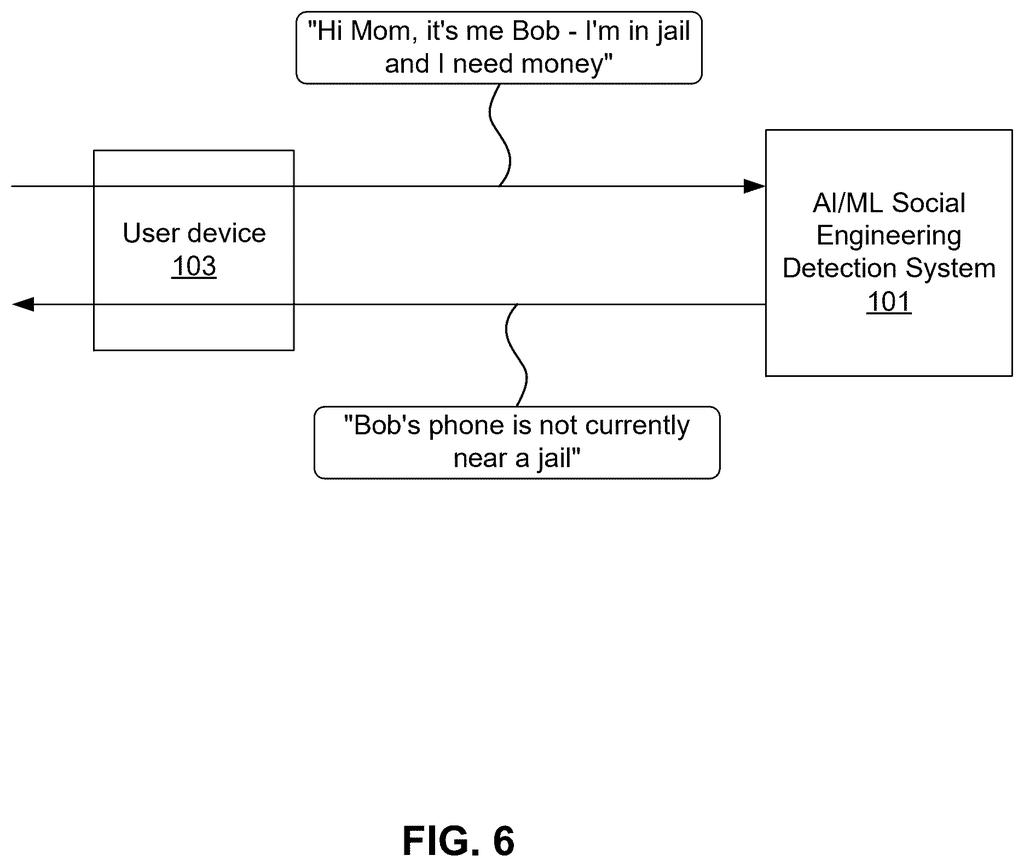
How IBM's real-time scam detector learns your world
Imagine you get a call that sounds exactly like your bank manager, asking you to move money urgently. The voice is convincing, the number looks right, and the story is plausible. That is a social engineering attack, and AI tools have made them far cheaper and easier to produce at scale.
IBM's patent describes a system that watches your calls, texts, emails, and video chats across all your devices at the same time. It first studies your personal history: who you normally talk to, how those people usually sound or write, and what topics come up. That baseline becomes the reference point for spotting anything unusual.
When something odd appears, say an unfamiliar voice claiming to be a known contact, or a message written in a style your friend never uses, the system fires an alert on whichever device you are using. The goal is to catch the manipulation attempt while it is still happening, not after the damage is done.
training a real-time AI cybersecurity model using historical data associated with a user, wherein the historical data comprises at least one of audio data, video data, text data, communication patterns, or contact information …
Translation: The system learns your normal habits by looking at your past calls, messages, and personal contacts.
How the model scores threats across every channel at once
The patent describes a real-time AI cybersecurity model that ingests communication data from multiple devices simultaneously: phone calls, video calls, text messages, images, and social media.
Before it can do any of that, the system goes through a training phase. It builds a personal profile using your historical data, including audio samples of voices you know, your typical communication patterns, and your contact list. This creates a personalized baseline rather than a one-size-fits-all rule set.
Once live, the model runs five types of analysis on incoming communications:
- AI-generated content detection: flags audio or video that appears to be synthetically created (deepfakes, AI voice clones)
- Anomaly scoring: rates how far a given message or call deviates from your normal patterns
- Threat pattern matching: checks content against known attack signatures
- Tone analysis: reads emotional pressure signals, such as urgency or fear-inducing language, that scammers frequently use
- Risk analysis: produces an overall danger rating for the communication
If any of those outputs cross a threshold, an alert appears on one of your devices in real time, while the suspicious interaction is still unfolding.
… display, on one of the plurality of devices, an alert to the user regarding potential malicious behavior in the communication channel data …
Translation: It pops up a warning on your phone or computer screen whenever it detects a likely scam attempt.
What this means for phone scams and deepfake fraud
Social engineering fraud, where someone tricks you into handing over money or credentials, cost Americans billions of dollars last year. AI voice cloning and video deepfakes have lowered the cost of running those attacks to near zero, which means they are arriving in greater volume and targeting ordinary people, not just executives.
IBM's long track record in enterprise security filings suggests this is aimed at corporate deployments first, where a single successful scam call can unlock access to a company's finances or data. But the patent's language covers individual users and personal devices too, leaving open the possibility of a consumer-facing version. If this kind of always-on, personalized monitoring reaches everyday phones, it could shift the arms race in a meaningful way.
This is the 46th IBM filing we've tracked since May in the AI guardrails race, adding to work like one showing pixel-level AI reasoning and one giving AI security clearances.
Voice fraud costs billions of dollars a year, and the losses land hardest on people who had no reason to doubt a call that sounded exactly like someone they trusted. Scammers can now clone a familiar voice from a few seconds of audio and use it to impersonate a boss, a bank, or a family member in distress.
IBM's response is to make fraud detection personal: a system trained on how your specific contacts actually write, when they typically reach out, and what tone they use is far harder to fool than a generic filter, because an attacker must replicate your particular life, not just a common pattern.
That ambition comes with a serious trade-off. Continuously monitoring calls, messages, and video across every device in your life builds an extraordinarily intimate record of who you are, and whether that data stays safe matters just as much as whether the fraud detection works.
There are more where this came from
We read every patent application Big Tech publishes and send you the ones worth knowing. Plain English, free, every week.
Want this weekly breakdown for a company we don't cover? Patentlyze Pro →