
IBM Patents a Virtual World Built From Your Shopping and Social Media History
IBM's patent application describes a virtual world that studies what you buy, post and photograph, then builds the scene, stocks the shelves and shapes your avatar to match.
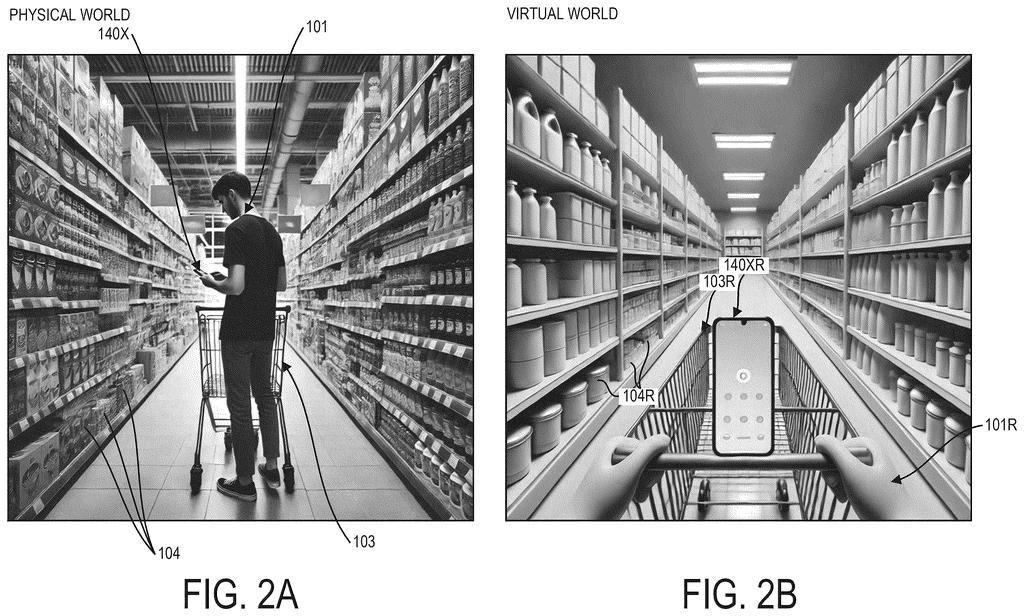
What IBM's history-based metaverse actually does
Imagine you put on a headset and step into a virtual world that looks like your favorite boutique, with the lighting and colors you always post about online. The shelves hold the groceries you tend to buy together, and your avatar already looks like you.
That is the idea in this IBM patent application. The system studies your history: past purchases, social media posts, photos and the places you shop. It then builds the scene, fills it with items, and shapes your avatar from what it finds. If it doesn't know enough about you yet, it borrows from people who seem similar.
There is a twist. Your avatar can be nudged toward the items you are predicted to want and kept away from shelves you probably don't care about. Drop something in a virtual cart, and the real version can be packed by a robot and driven to your door.
… generating a custom metaverse for a certain user in dependence on the processing, wherein the generating comprises: composing a virtual scene; populating the virtual scene with digital assets; and developing a user avatar that represents the certain user; …
Translation: Building a personalized 3D world complete with objects and a digital character based on what you did online.
How IBM turns your purchases into avatar rules
Claim 1 is broad. The system processes historical user data, then generates a custom metaverse in three steps: composing a virtual scene, populating it with digital assets (3D objects such as shelves and products), and developing an avatar for the user. At least one of those steps has to depend on what the data showed.
The filing describes several ways to use that data:
- Scene: copy the look of a real venue you seem to prefer, judged by where your purchases happened, or pick lighting and colors from your social media posts.
- Items: stock the scene with things you buy, including parts of something you make at home. A photo of a sandwich, for example, can lead the system to add bread, lettuce and cheese.
- Avatar: base its look on your photos, and limit its behavior using item association rules (patterns such as "people who buy bread also buy milk").
That last part works in a few ways. The system can walk your avatar to a predicted item and play a grab animation, keep a second area closed until the first item is picked up, and block reaching toward shelves that hold nothing you are predicted to want.
If there isn't enough data about you, the system falls back on a cluster, meaning a group of users whose posts and interests look similar to yours.
Why a shopping-driven virtual world matters
If this ever became a product, your virtual world could be a store built around your own habits. The filing says as much, mentioning commercial engagement and ending with a robot and a self-driving vehicle delivering the real item you picked. It also means the system would read your purchases, photos and posts, which the filing says users would choose to share.
The examiner's first review rejected the claims as filed, which is routine at this stage and usually followed by amendments, so nothing here is approved. The filing doesn't name a product or a launch. For now it shows how one company imagines mixing shopping data with virtual worlds.
IBM's seventh filing since July in our AR glasses race watchlist, following its patent on meetings that rearrange around your room and one on captions that reshape around reading, adds another piece to its growing AR vision work.
As filed, claim 1 casts a wide net. It asks for three things: look at a user's past data, build a virtual world from a scene, objects and an avatar, and let that data shape at least one of those three. It names no data type, no technique and no kind of world, so the wording is loose enough to describe a game that decorates your room from your play history.
The memorable ideas sit further down. Claims 4 through 6 hold the bread-and-milk prediction rules and the avatar that gets steered toward products, and claim 12 adds the robot delivery. Those claims are narrower and more distinctive. A claim as open as the first one touches a lot of ground, and that is usually what gets trimmed in review.
Bottom line: the broad opening is routine software-patent phrasing, and the shopping-driven avatar is the part with real personality.
Get our take in your Top Stories
Liked this breakdown? Add Patentlyze as a preferred source on Google, and our plain-English take shows up more often in your Top Stories the next time IBM patent news breaks.
There are more where this came from
We read every patent application Big Tech publishes and send you the ones worth knowing. Plain English, free, every week.
The drawings
14 drawing sheets from US 2026/0350928 A1 · click any drawing to enlarge


Show the other 6 sheets


Want this weekly breakdown for a company we don't cover? Patentlyze Pro →
Be the first to weigh in