
Samsung Patent Reveals IoT Devices Connecting to Home Networks Without Manual Setup
Adding a new device to your smart home usually involves digging through menus. Samsung's new patent describes a system that detects when a nearby gadget wants to join your network and shows you a setup prompt automatically, but only when the signal says the timing is right.
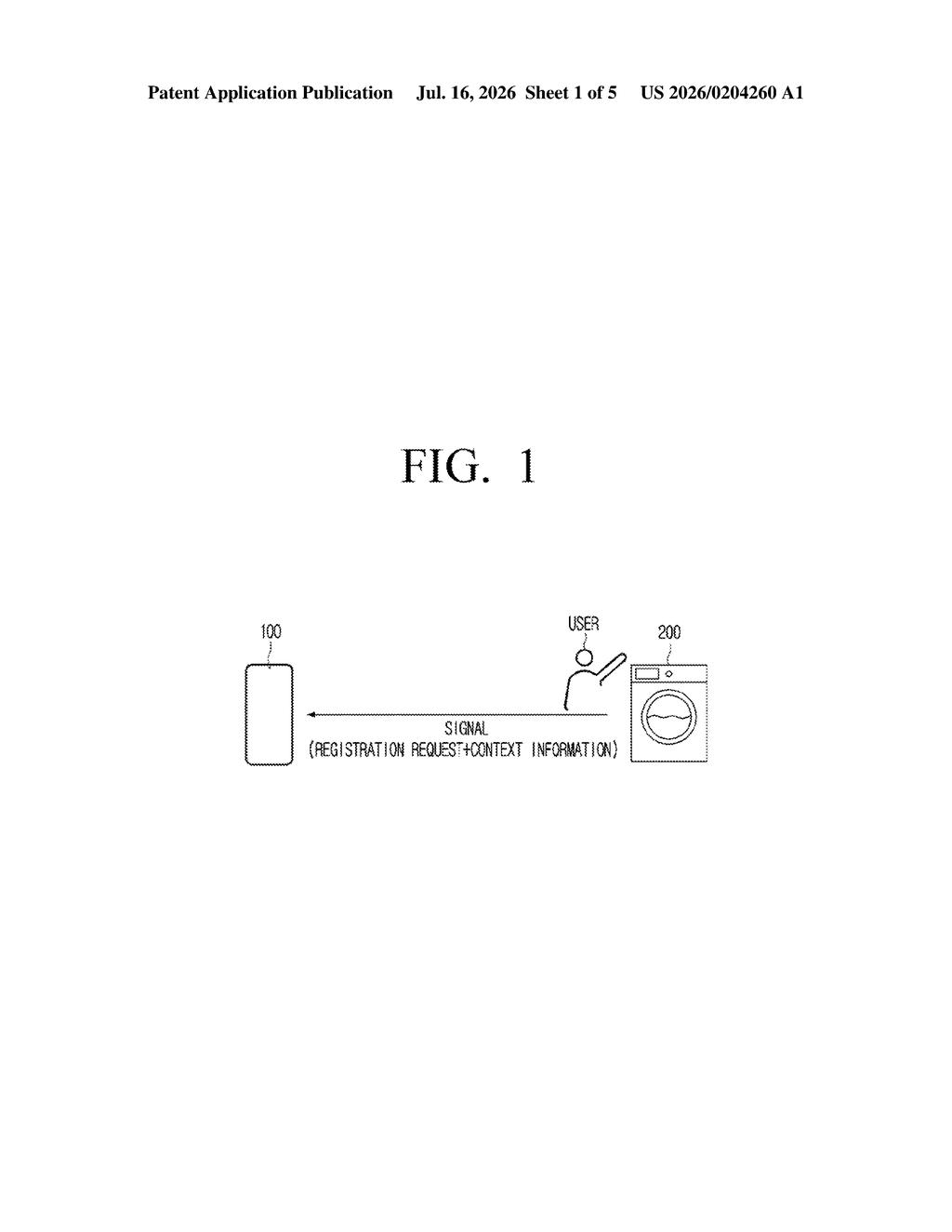
How Samsung's signal-based device pairing actually works
Imagine you pull a new Samsung smart plug out of the box, plug it in, and your phone almost immediately asks if you'd like to add it to your home network. No app-hunting, no QR codes, no buried settings menu. That's roughly the experience this patent is trying to build.
The idea is that your phone (or a hub device) listens for signals coming from a nearby gadget that wants to be added to your smart home. It checks not just whether the signal exists, but how strong it is. That strength acts as a clue about context: is the device right next to you, or is it across the street? Based on that, your phone decides whether to pop up a registration screen.
Once the prompt appears, you just tap to confirm, and the new device joins your IoT (Internet of Things) network. The goal is to make the setup process feel like it happens on its own, triggered by physical proximity rather than a manual menu dive.
How the processor reads context from signal strength
The patent describes an electronic apparatus (most likely a smartphone or smart home hub) that monitors incoming wireless signals from nearby devices that haven't yet been added to a home network.
When such a signal arrives, the system extracts two things: a registration request (essentially a message saying "I'd like to join") and context information indicated by the signal's strength. Signal strength here is doing double duty: it's both a proximity indicator and a filter. If the signal is too weak, the device is probably too far away or the situation isn't right, so no prompt appears.
- The communicator receives the wireless signal from the target device
- The processor evaluates the registration request alongside signal strength
- If conditions are met, the display shows a user interface to confirm adding the device
- A single user confirmation registers the device into the IoT network
The claim is intentionally broad about which wireless protocol carries the signal, which means it could apply to Wi-Fi, Bluetooth, Zigbee, or Matter-based devices. The core invention is the logic of using signal strength as a contextual gate before surfacing the setup UI.
What this means for smart home device setup
For anyone who has set up more than one smart home device, the current process is a known annoyance: open an app, scan a code, wait, troubleshoot. Samsung is clearly trying to reduce that friction at the system level, which would benefit its whole ecosystem of TVs, appliances, and accessories.
For everyday users, a setup experience that's proximity-aware and largely automatic is a meaningful quality-of-life improvement. For Samsung's broader strategy, it's a way to make its devices feel more cohesive and easier to onboard than competitors' offerings. The patent doesn't guarantee this ships, but it shows Samsung is actively working on the pairing experience at an architectural level.
This is a fairly narrow, incremental patent covering one specific UI trigger in the device-pairing flow. It's not a reinvention of how smart homes work. That said, onboarding friction is one of the real reasons people give up on smart home setups, so even a small fix here has genuine user value. Watch for this kind of logic to surface in Samsung's SmartThings ecosystem.
There are more where this came from
We read every patent application Big Tech publishes and send you the ones worth knowing. Plain English, free, every week.
Want this weekly breakdown for a company we don't cover? Patentlyze Pro →
Be the first to weigh in