
Samsung Patents a Tiered Idle System That Quiets IoT Devices the Longer They Sit Unused
Most smart home devices keep pinging the internet even when nobody's touched them in weeks. Samsung's new patent proposes a smarter way to handle that — a three-tier idle system that progressively shuts up the longer a device goes unused.
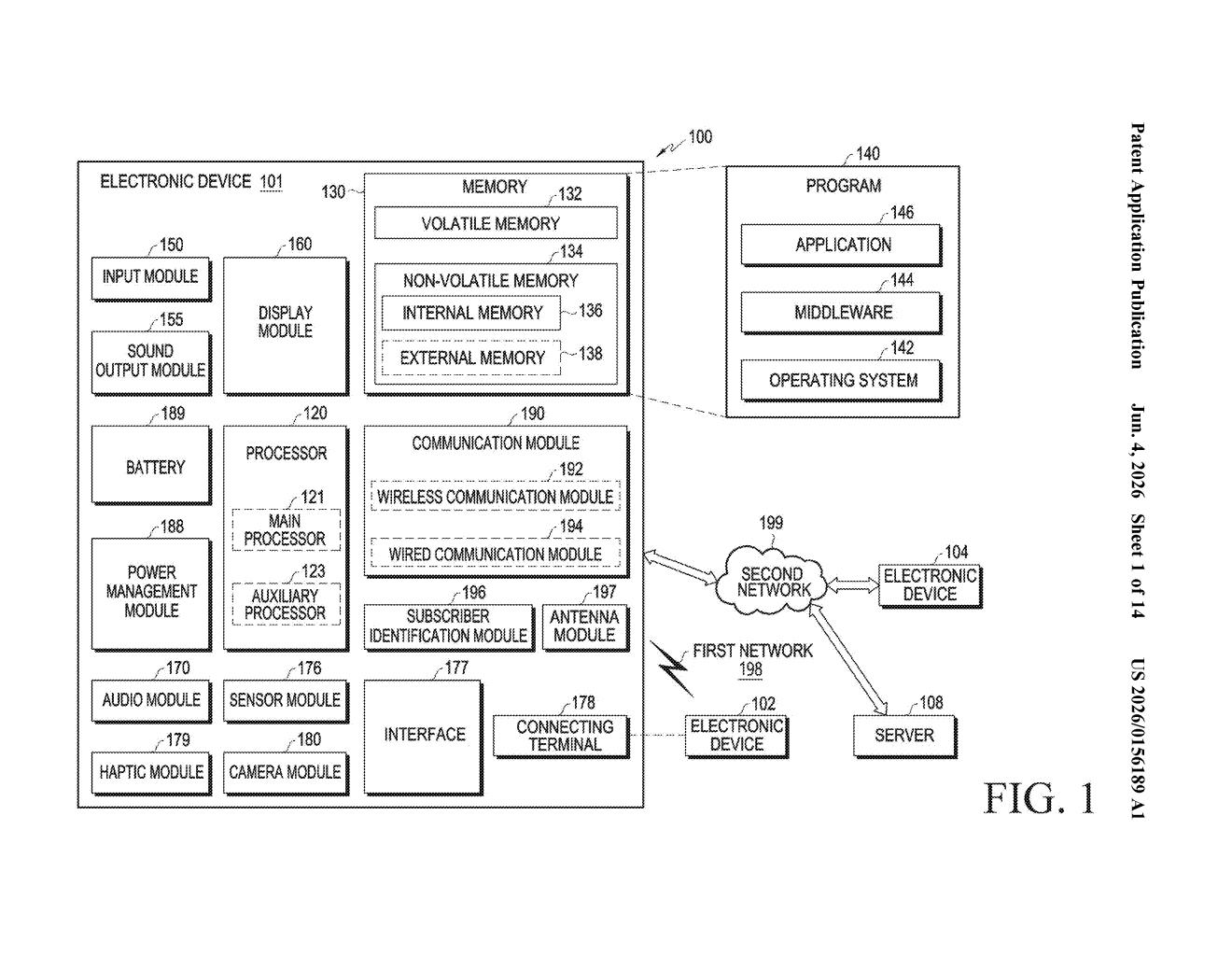
What Samsung's IoT idle-state system actually does
Imagine your smart plug or connected sensor keeps sending status updates to Samsung's servers every few minutes — even though you haven't used the app in three months. That's wasted bandwidth, wasted battery, and noise that clogs up the server on the other end.
Samsung's patent describes a system where each IoT device tracks how long it's been since you actually used the service connected to it. If that idle time crosses a first threshold, the device quietly shifts into a reduced-reporting mode — it stays connected, but stops flooding the server with status updates. Cross a second, longer threshold, and it shifts again: now it barely checks in at all.
The key detail is that the connection itself stays alive throughout all three stages — the device doesn't fully disconnect. So the moment you open the app or trigger an event, everything snaps back to full reporting mode. Think of it less like turning a device off and more like a phone going from active, to screen-dim, to deep sleep — always ready to wake up.
How the three-state timer and keep-alive logic work
The patent defines three distinct operation states for an IoT device, each triggered by how long the unused period — measured from the last time you actually interacted with the associated service — has been running.
- State 1 (active): Unused period is below threshold one. The device regularly transmits operation data and status to the server, and sends a keep-alive message (a lightweight ping that tells the server "I'm still here") at a defined short interval.
- State 2 (reduced): Unused period is between threshold one and threshold two. The device maintains its server connection and notifies the server of the state change, but stops sending operation and status data. Keep-alive behavior may also be scaled back.
- State 3 (minimal): Unused period exceeds threshold two. The device signals the server that it has moved to this third state. Detailed reporting is suspended further.
Critically, the unused-period counter resets on any usage event — opening the app, triggering an automation, or interacting with the device pushes it back to State 1. The server always knows which state each device is in because the device explicitly signals every state transition. This means the server can also make decisions — like adjusting how often it polls the device, or whether to notify the user that a device has been idle.
What this means for smart home device efficiency
For Samsung, which manages a massive fleet of Galaxy-connected home devices and appliances under its SmartThings ecosystem, this kind of tiered-idle architecture directly reduces the cost of running always-on IoT infrastructure. Fewer status packets from millions of idle devices adds up fast — both in server load and in the cellular or Wi-Fi overhead on the device side.
For you as a user, the practical benefit is subtler but real: devices that aren't wasting radio cycles on pointless pings should, in theory, run a bit longer between charges or consume slightly less power when plugged in. It also means Samsung's backend stays cleaner — a server that isn't drowning in stale status updates from dormant gadgets can respond faster when you actually need something.
This is solid, unglamorous infrastructure work — exactly the kind of patent that never gets a product announcement but almost certainly ships quietly inside a SmartThings or Galaxy Home firmware update. The three-state idle model is a sensible engineering response to a real problem at scale: millions of devices generating meaningless server traffic. Worth noting that the patent is careful to keep the connection alive at all stages, which suggests Samsung prioritizes responsiveness over maximum power savings — a reasonable tradeoff for home IoT.
There are more where this came from
We read every patent application Big Tech publishes and send you the ones worth knowing. Plain English, free, every week.
Want this weekly breakdown for a company we don't cover? Patentlyze Pro →