
IBM Patents a Way to Snap LiDAR Product Scans Into Virtual Factory Models
IBM wants to let factory managers walk through a virtual copy of their entire facility and pull up a detailed 3D scan of any product on the floor, all in one place.
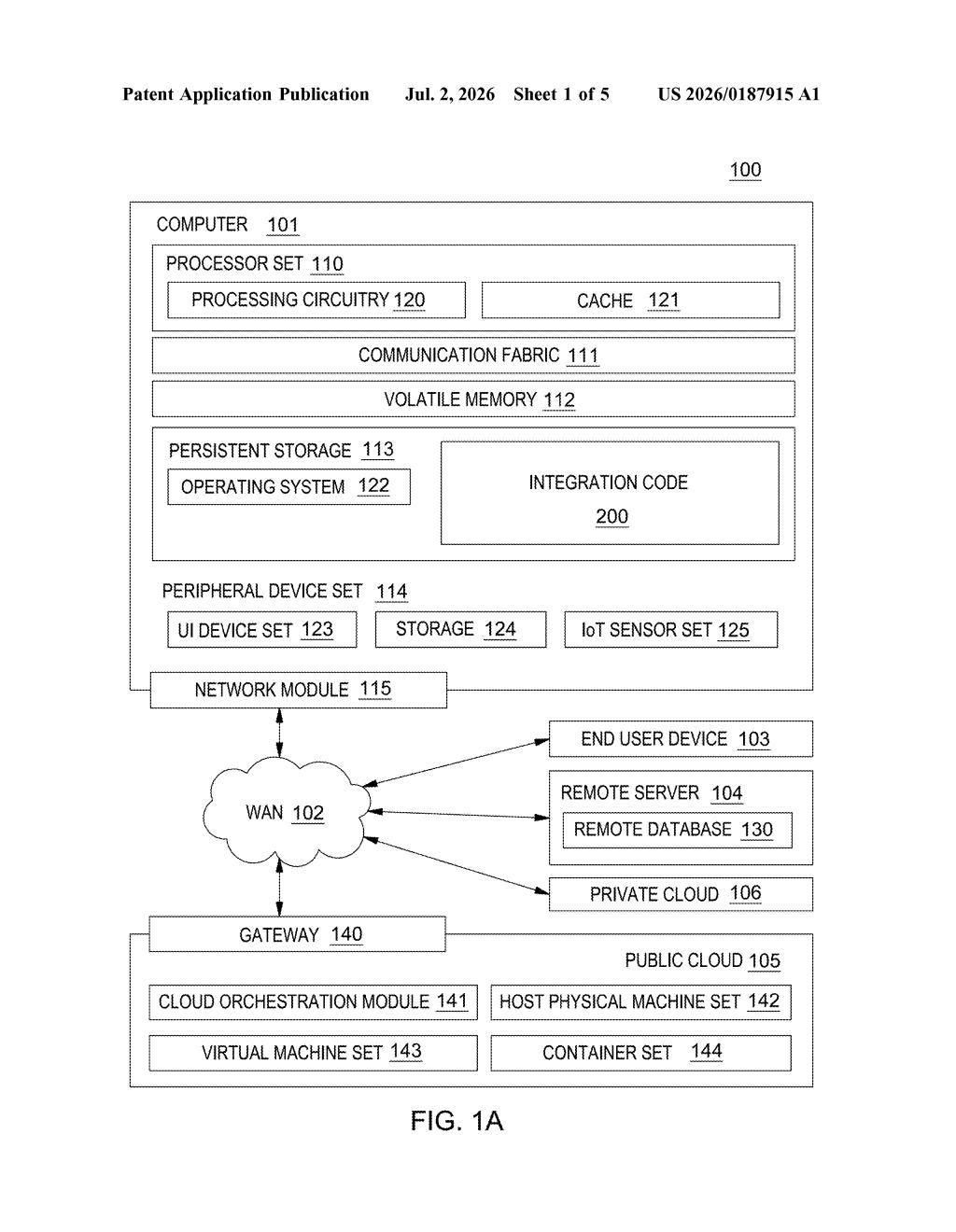
What IBM's LiDAR-to-digital-twin connection actually does
Imagine you run a factory and you want to inspect a part that just came off the assembly line. Right now, you might have photos, sensor readings, and a separate 3D scan all living in different systems. IBM's patent is about tying all of that together inside a single virtual model of your factory.
The idea is to use LiDAR (the same laser-scanning technology that self-driving cars use to "see" the world) to build a detailed 3D model of a physical product. That scan then gets automatically linked to a digital twin, which is a virtual replica of the entire facility it came from.
Once connected, someone can explore the virtual factory and click on a product to see its full scanned model, without leaving the virtual environment. It's a way to make physical inspection data feel as easy to browse as a website.
How IBM links a scanned product model to a virtual facility
The patent describes a three-step process running on a computing system:
- Build the facility digital twin: A virtual replica of a physical factory or production site is created and made accessible inside a virtual environment. Think of this as a navigable 3D floor plan with live or recorded data attached.
- Process LiDAR product scans: LiDAR (Light Detection and Ranging) sensors fire laser pulses at a physical product and measure how the light bounces back. The system runs data-analytics processing on those readings to produce a digital product-related model, essentially a precise 3D representation of that item.
- Link product model to facility twin: The scanned product model is then attached to the corresponding location or record inside the facility digital twin, so both exist in the same virtual space and can be accessed together.
The claim is intentionally broad. It covers the core act of generating a facility twin, deriving a product model from LiDAR data, and formally linking the two. The patent doesn't specify a particular industry, which means the approach could apply to manufacturing, warehousing, construction, or any setting where physical inspection and facility oversight overlap.
What this means for factory monitoring and inspection
Right now, factory digital twins and product inspection data tend to live in entirely separate software systems. Someone monitoring a facility virtually has to jump to another tool to look at a specific part's scan data. IBM's approach, if it works as described, would collapse that gap so a single virtual environment holds both the big-picture facility view and the granular product detail.
For industries like aerospace, automotive, or pharmaceuticals, where traceability and inspection records are legally required, linking spatial product scans to a facility model could reduce the time your team spends hunting down records. It also opens the door to flagging problems automatically: if a scanned part's model doesn't match its expected specification, the system could highlight it inside the facility twin before anyone physically walks the floor.
This patent is broad enough to read almost like a placeholder claim on a category rather than a specific invention. The core idea, connecting LiDAR scans to digital twins, is conceptually tidy, but the independent claim is thin on technical detail about how the linking actually works. IBM files a lot of infrastructure-level patents like this; whether it turns into a real product or just a licensing asset is the real question.
Get our take in your Top Stories
Liked this breakdown? Add Patentlyze as a preferred source on Google, and our plain-English take shows up more often in your Top Stories the next time IBM patent news breaks.
There are more where this came from
We read every patent application Big Tech publishes and send you the ones worth knowing. Plain English, free, every week.
Want this weekly breakdown for a company we don't cover? Patentlyze Pro →