
Sony Patent Uses Nearby Object Tracking to Prevent Wireless Link Drops
Most wireless systems wait for a connection to break before trying to fix it. Sony is patenting a system that watches objects moving through space and acts before the drop happens.
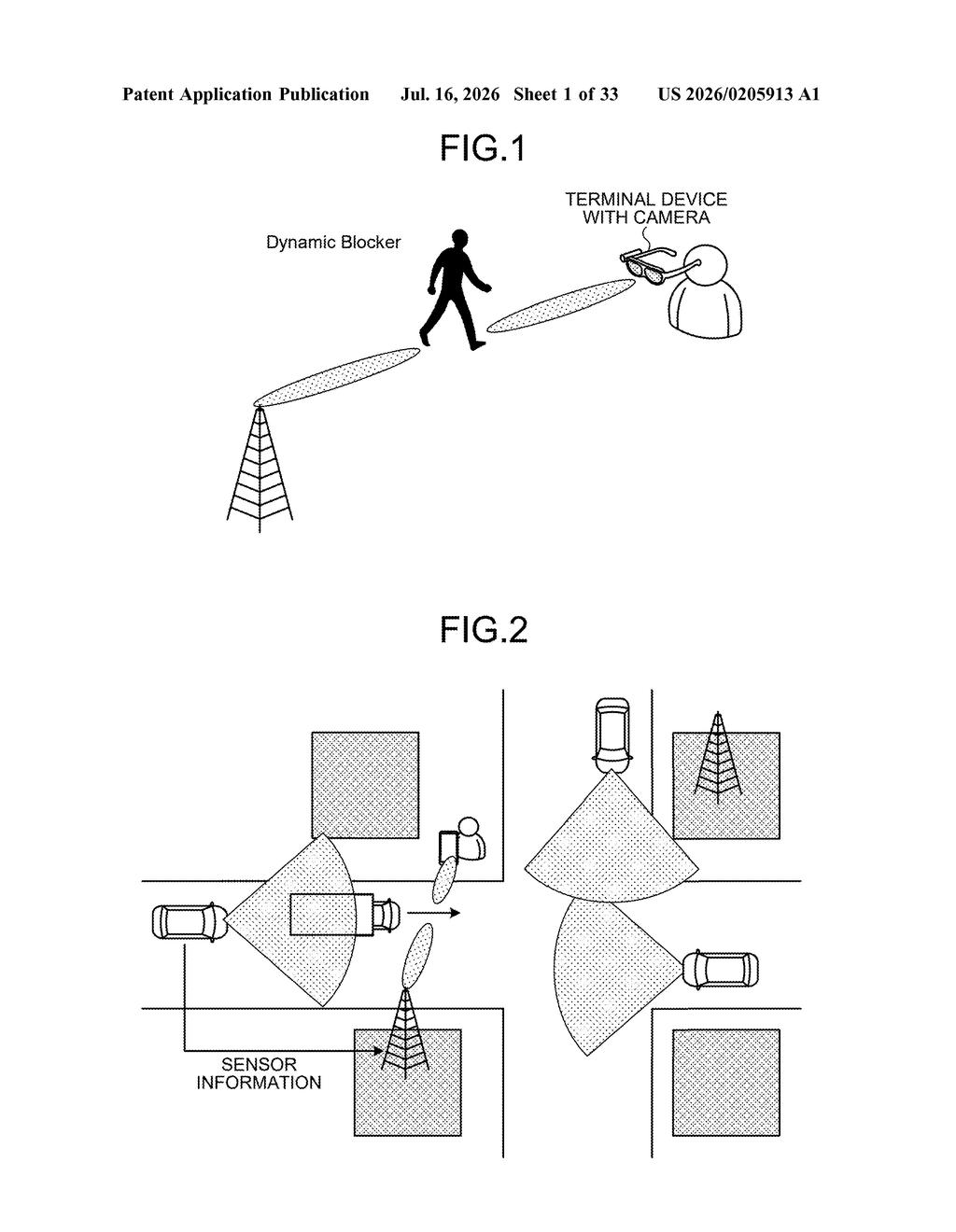
How Sony's position-sensing link recovery actually works
Imagine you're on a video call and someone walks between your router and your device. The signal drops, the call freezes, and by the time the network tries to reconnect, you've already missed something. That frustrating gap, the time between a blockage and recovery, is what Sony is trying to close.
This patent describes a wireless system that pays attention to where nearby objects are moving. If a person, a vehicle, or any physical obstacle shifts position in a way that could interrupt a signal between a sender and a receiver, the system detects that change and begins recovery steps early, before the connection actually breaks.
The clever part is that the sensing doesn't have to come from the devices you're connecting. A third device nearby, or even the moving object itself, can supply the position information. The system pools that data to make smarter decisions about when and how to restore a link.
How the determination unit reads positional change data
The patent centers on a determination unit inside a communication device. Its job is to decide when and how to trigger what engineers call link recovery control, the process of restoring a wireless connection after interference or signal loss.
What's different here is the input the unit acts on. Instead of waiting for a signal-quality reading to dip below a threshold (the standard approach), this system uses geographical relative position data, essentially a live read on how far and in what direction a nearby object has moved relative to the transmitter or receiver.
That positional information can come from several sources:
- The transmitting device itself
- The receiving device
- A third, separate communication device in the area
- The moving object directly, if it carries its own sensors
By acting on movement data rather than waiting for signal degradation, the system can initiate recovery earlier in the chain. The patent doesn't specify one wireless standard, so the approach could in principle apply to 5G, Wi-Fi, or other link types where physical obstacles cause blockages.
What this means for next-gen wireless reliability
Wireless signal loss caused by physical obstructions is one of the oldest unsolved headaches in radio communications. Current systems are largely reactive: they detect a broken link and then scramble to re-establish it. Sony's approach flips that to predictive, using real-world movement data to get ahead of the drop. For dense environments like stadiums, factories, or urban 5G deployments, that timing difference could be meaningful.
The patent is broad enough to touch several of Sony's product areas, from consumer electronics with wireless connectivity to professional audio-visual gear to the kind of industrial sensing Sony has been building toward. Whether this becomes a concrete feature in any product depends on how the underlying sensing infrastructure develops, but the filing signals Sony is thinking seriously about proactive link management.
This is a focused, well-scoped idea rather than a sweeping platform play. The insight, that you can use position data from nearby sensors to anticipate link failures instead of just reacting to them, is genuinely useful. The execution challenge is sourcing reliable real-time position data in messy real-world environments, which the patent wisely leaves open rather than over-specifying.
There are more where this came from
We read every patent application Big Tech publishes and send you the ones worth knowing. Plain English, free, every week.
Want this weekly breakdown for a company we don't cover? Patentlyze Pro →
Be the first to weigh in