
Samsung Patents Tech That Connects 5G Phones to the Closest Local Computing Hub
Every time your phone needs a nearby server, it has to ask the network where to go. Samsung is patenting a way to make that question a lot more precise by baking your approximate location directly into the request.
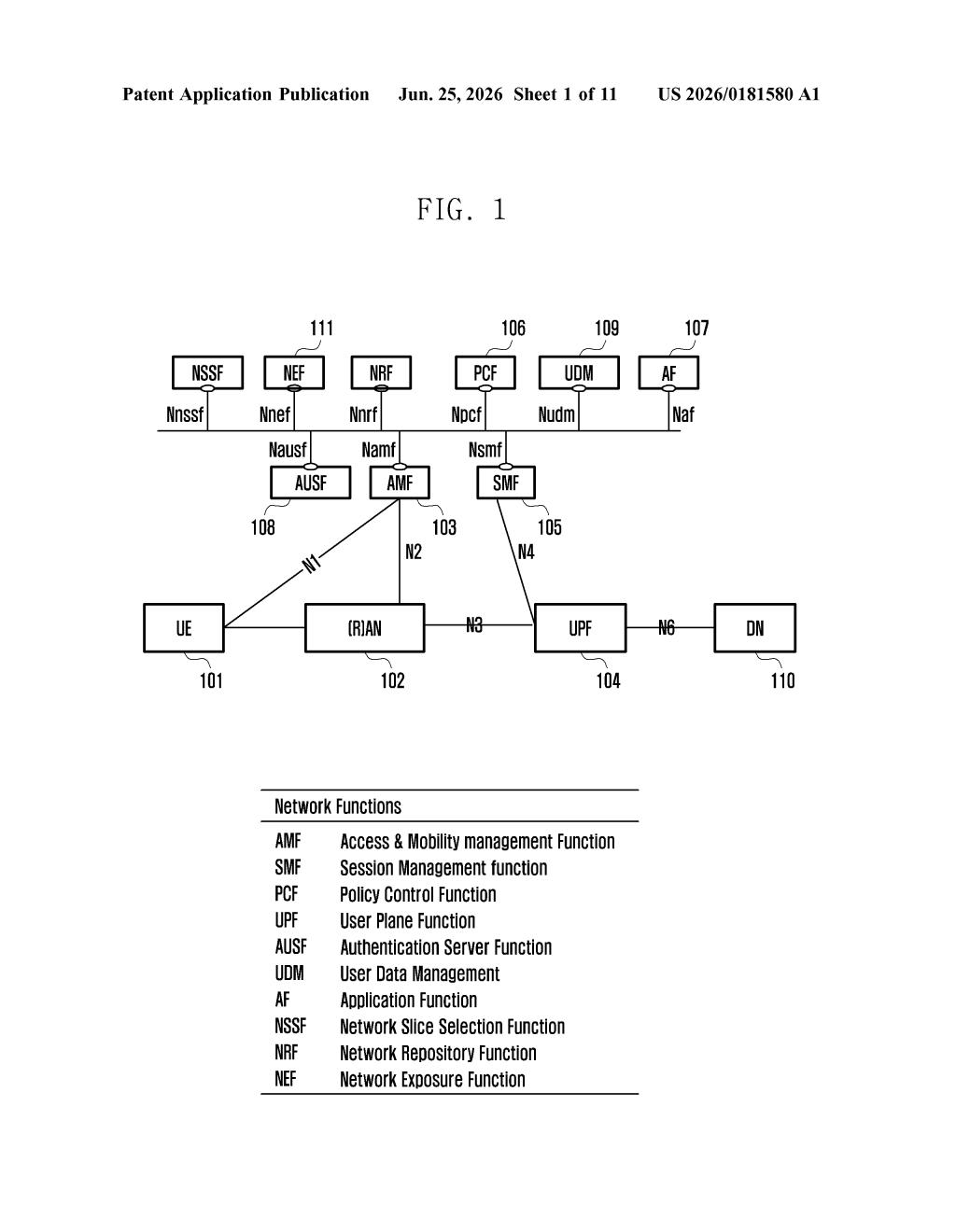
How Samsung's location-aware DNS lookup works
Imagine you're streaming a live game on your phone and the app needs to connect to a server. Normally, the network's directory service (called DNS, roughly the internet's phone book) just picks a server based on general network rules, not where you actually are. The result can be a server that's physically far away, adding delay.
Samsung's patent describes a system where your phone includes information about its location, and how wide a search area you're okay with, when it asks the network directory which server to use. The network can then point you to a server that's physically close, which is the whole point of edge computing: putting computing power near you to cut delays.
The phone can either send an explicit location range ("look within X kilometers") or send a flag asking the network to decide on an appropriate range. Either way, the response comes back with a server address tuned to your actual position, not just your carrier's general region.
How the terminal embeds location range data in DNS queries
The patent covers a protocol-level change to how a phone (the "terminal") interacts with a DNS resolver (the network service that translates names like "edgeserver.example.com" into actual IP addresses).
The core addition is an extended DNS query message that carries one of two pieces of location information:
- A range value specifying the maximum distance from the device within which a valid edge server must sit.
- An indicator flag asking the DNS resolver to configure an appropriate range on the device's behalf, useful when the phone doesn't know what ranges are available.
The network entity receiving this query, described as an edge-computing-aware DNS server, uses the location range to filter its response and return only server addresses that fall within the specified geographic window. This matters because standard DNS has no concept of physical proximity; it operates on network topology, which doesn't always map to geography.
The filing situates this work inside 5G and 6G edge computing architectures, where low-latency application processing depends on routing users to servers that are genuinely nearby, not just topologically adjacent on the carrier's backbone.
What this means for 5G edge computing performance
Edge computing only delivers its low-latency promise when traffic actually reaches an edge node close to the user. Right now, DNS has no native way to factor in physical distance, so even networks with dense edge deployments can route users to distant nodes by accident. Samsung's approach patches that gap at the query level, meaning the fix lives in the signaling protocol rather than requiring carriers to overhaul their server infrastructure.
For real-time applications like cloud gaming, AR navigation, or vehicle-to-network communication, shaving even tens of milliseconds off the server-discovery step adds up. If this approach gets adopted into 5G or eventual 6G standards, it could become a quiet baseline requirement for any edge computing deployment on Samsung-supplied network equipment.
This is infrastructure plumbing, not a consumer feature, but it's the kind of plumbing that actually determines whether edge computing ever delivers on its latency promises. Samsung supplies both handsets and network equipment, so it's well positioned to push this through standards bodies. It's worth watching as a signal of where 5G edge specs are heading.
There are more where this came from
We read every patent application Big Tech publishes and send you the ones worth knowing. Plain English, free, every week.
Want this weekly breakdown for a company we don't cover? Patentlyze Pro →