
Meta Patent Would Use Facial Recognition Cameras to Log Your Every Move
Meta has filed a patent for a camera system that automatically identifies who is in the frame using facial recognition and then creates labeled video clips around their actions, all managed by an AI assistant.
What Meta's camera assistant actually does with your face
A security camera stares at an empty hallway all night. When something finally happens, someone has to scrub through hours of footage to find the moment. You know how tedious that is.
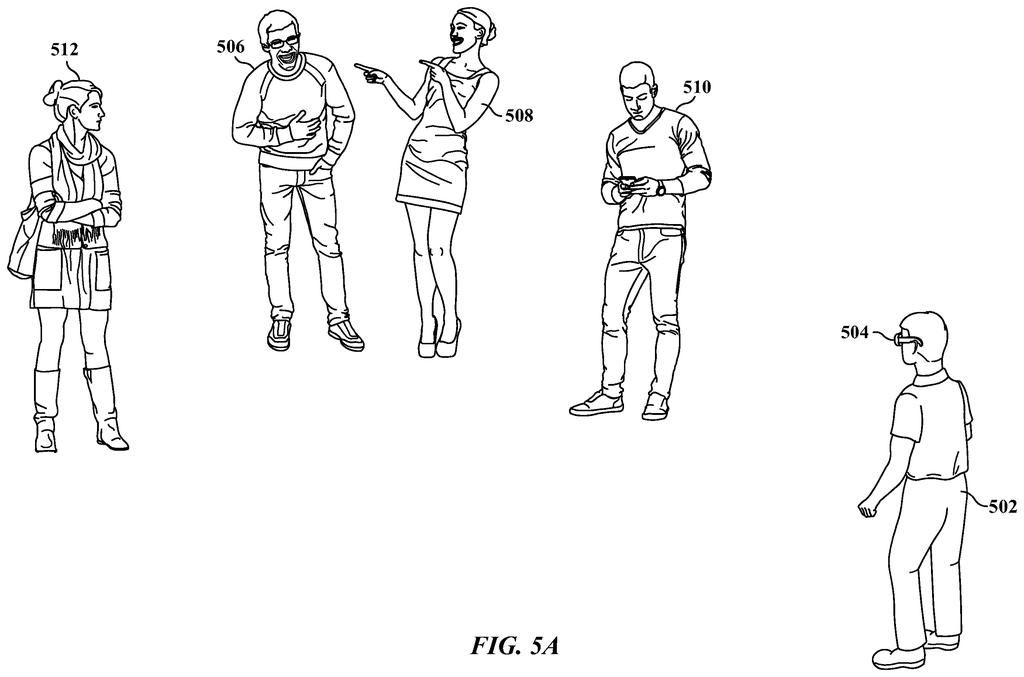
Meta's patent describes a system that would handle that job automatically. Cameras feed their footage into an AI that uses facial recognition to identify specific people in the shot. At the same time, the system watches for actions, someone picking something up, a person leaving a room, a group gathering, and then creates individual media clips tied to each person or event.
Those clips are then served up to a connected device, like a phone or a headset, on demand. The idea is that instead of reviewing raw footage, you get a ready-made highlight reel, organized by who did what and when.
… identifying people in a field of view of the cameras based on facial recognition of the sensory data, detecting actions of one or more of the people based on the sensory data, generating media files with each being associated with one or more of a recording of at least one of the people or at least one of the determined actions …
Translation: The system recognizes individuals and logs their activities into media files.
How the system links faces to actions and generates clips
The patent describes a pipeline that connects camera hardware to an AI assistant system. Here is how the pieces fit together:
- Sensory data intake: One or more cameras capture live or recorded footage and pass that data to the system for processing.
- Facial recognition: The AI scans the footage to identify people in the field of view. This is the step that flags who is present, not just that a person is there.
- Action detection: Separately, the system analyzes movements and behaviors, determining what the identified people are doing. Think of this as a second layer of classification running on top of the face-ID layer.
- Media file generation: The system bundles its findings into individual clips or files, each tagged with a person, an action, or both. So a clip might be labeled "Lisa, picked up object, 2:14 PM."
- Client delivery: Those files are sent to a client device, a phone, a headset, or another screen, for playback or review.
The claim that was granted (claim 1 was canceled, so the active scope sits in dependent claims) ties these steps into a unified method. The whole system is framed as an assistant-driven feature, meaning the AI actively manages retrieval and presentation rather than just storing raw footage.
What facial recognition cameras mean for Meta's AR push
For anyone who has used a smart doorbell or a home camera system, the gap between what these cameras record and what they actually surface is obvious. Most systems dump footage into a timeline and leave the hunting to you. A system that automatically knows who appeared and what they did would cut that search from minutes to seconds, and it would do it without you lifting a finger.
The harder question is where Meta plans to deploy this. The patent is filed under Meta Platforms Technologies, the same entity behind the Ray-Ban smart glasses and the Quest headsets, both of which have cameras on them. Facial recognition baked into a wearable camera is a different proposition than a home security device, and that is the part that will draw scrutiny. Patentlyze tracks new Big Tech patents in computer vision and AR hardware, and this filing sits squarely at the intersection of both.
The concrete payoff here, getting a pre-sorted clip of exactly what happened instead of scrubbing a timeline, is real and useful. But the reader who would notice it first is probably not a homeowner with a doorbell camera; it is someone wearing Meta's Ray-Ban glasses in a public space, pointing a camera at strangers. The gap between the patent's framing as a helpful assistant feature and its actual technical capability, identifying and logging specific people by face without their active consent, is the story. That gap is what the average user should notice, and it is the thing regulators have already started watching closely.
There are more where this came from
We read every patent application Big Tech publishes and send you the ones worth knowing. Plain English, free, every week.
The drawings
13 drawing sheets from US 2026/0238876 A1 · click any drawing to enlarge


Want this weekly breakdown for a company we don't cover? Patentlyze Pro →
Be the first to weigh in