
AR Glasses Learn to Dodge Real-World Objects in New Meta Patent
One of the most annoying things about AR overlays is that they sit in front of whatever you're actually trying to look at. Meta is filing patents to fix exactly that.
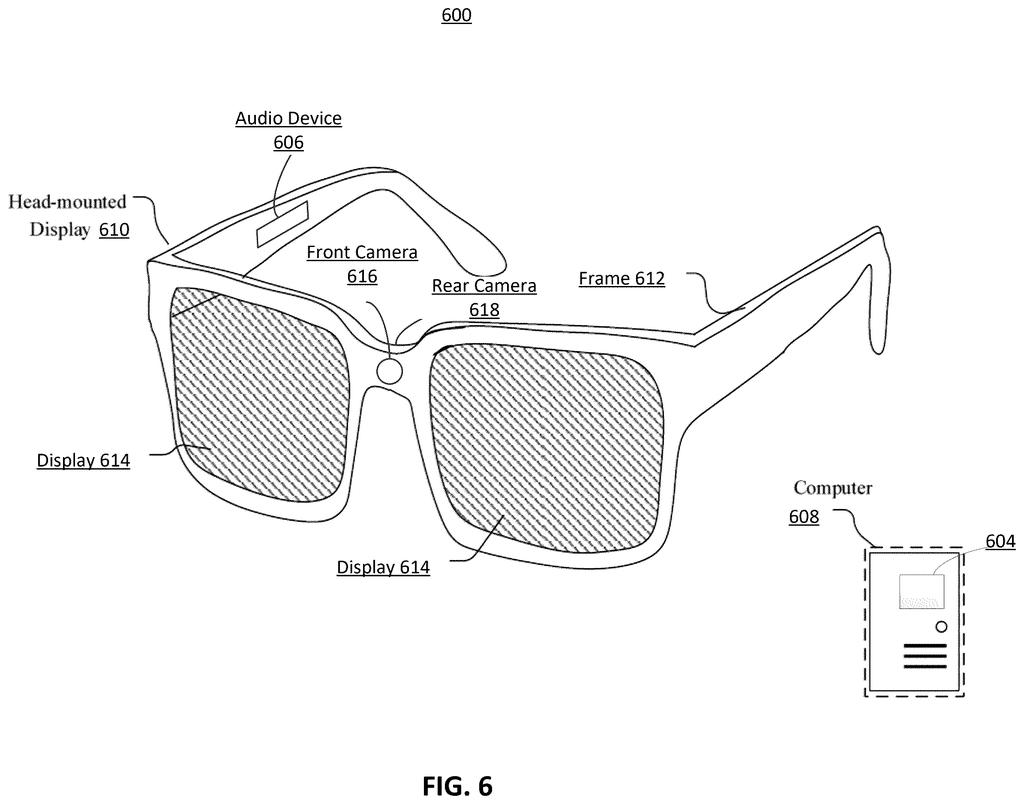
What Meta's context-aware AR display actually does
Ever put on an AR headset and found a floating notification blocking the one thing on the table you actually needed to see? That clash between digital and physical is one of the most basic frustrations with any heads-up display, and Meta thinks it has a fix.
The patent describes glasses or a headset that constantly watch the scene in front of you through a camera. When the device recognizes something important in your field of view, it figures out that the on-screen content is in the way, and it moves that content to a better spot on its own. You don't tap anything or say a word.
Think of it like a polite floating window that slides aside the moment it notices you're looking at something behind it. The device is doing the spatial awareness work so you don't have to interrupt what you're doing to manage your display.
The device may determine an environmental interaction based on the object recognition and the region of interest. The device may adaptively alter, based on the environmental interaction, a position of the content provided by the display.
Translation: The glasses detect physical objects and automatically move digital images so they do not overlap with real things.
How the camera identifies objects and repositions content
The system uses a built-in camera to continuously track the scene in front of the wearer. It runs object recognition (software that identifies what it's looking at, whether that's a coffee cup, a person's face, or a document) to find what the patent calls a region of interest, which is basically the part of the scene that appears most important or active at that moment.
Once the device has identified the region of interest and what's in it, it calculates an environmental interaction: the relationship between that real-world object and wherever the digital content currently sits on the display. If the content is overlapping or about to overlap with something important, the system kicks in.
The display then adaptively repositions the content, moving it to a location on screen where it's still visible to you but no longer obscures the real-world scene. The whole process happens automatically, without any manual input.
- Camera tracks the physical scene in real time
- Object recognition flags important or active areas
- The system maps the relationship between real objects and digital overlays
- Content is repositioned automatically when a conflict is detected
What this means for wearable AR displays like Ray-Ban Meta
The problem this tackles is genuinely disruptive to everyday AR use. If a notification covers the face of the person you're talking to, or a map overlay sits on top of the road sign you need to read, the headset stops being helpful and starts being an obstacle. Moving content by hand in the middle of a real-world interaction defeats the whole point of a hands-free device. A system that handles spatial conflicts on its own would make AR overlays far less intrusive in practice.
Meta has been pushing its Ray-Ban smart glasses toward more display capability, and this filing fits neatly into that trajectory. Automatic content repositioning is the kind of feature that separates a device you wear occasionally from one you actually trust day-to-day. new Big Tech patents in the AR space are stacking up fast, and this one shows Meta thinking carefully about the real friction points that keep people from adopting wearable displays.
The problem here is real: any AR overlay that blocks real-world content is worse than no overlay at all, and that friction has held back everyday wearable displays for years. Meta's approach, using camera-based object recognition to trigger automatic repositioning, is proportionate to the size of that problem. Whether the execution is smooth enough to feel natural rather than jittery is an entirely different question that a patent filing can't answer, but at least the problem statement is exactly right.
Get our take in your Top Stories
Liked this breakdown? Add Patentlyze as a preferred source on Google, and our plain-English take shows up more often in your Top Stories the next time Meta patent news breaks.
There are more where this came from
We read every patent application Big Tech publishes and send you the ones worth knowing. Plain English, free, every week.
The drawings
9 drawing sheets from US 2026/0237166 A1 · click any drawing to enlarge


Want this weekly breakdown for a company we don't cover? Patentlyze Pro →
Be the first to weigh in