
Meta's New Patent Teaches Its Smart Glasses to Stop Wasting Battery When You're Not Wearing Them
Meta is patenting a system that lets its smart glasses automatically dial their wireless radio up or down depending on whether you're wearing them and whether you're moving — a quiet but meaningful battery-life play for always-on wearables.
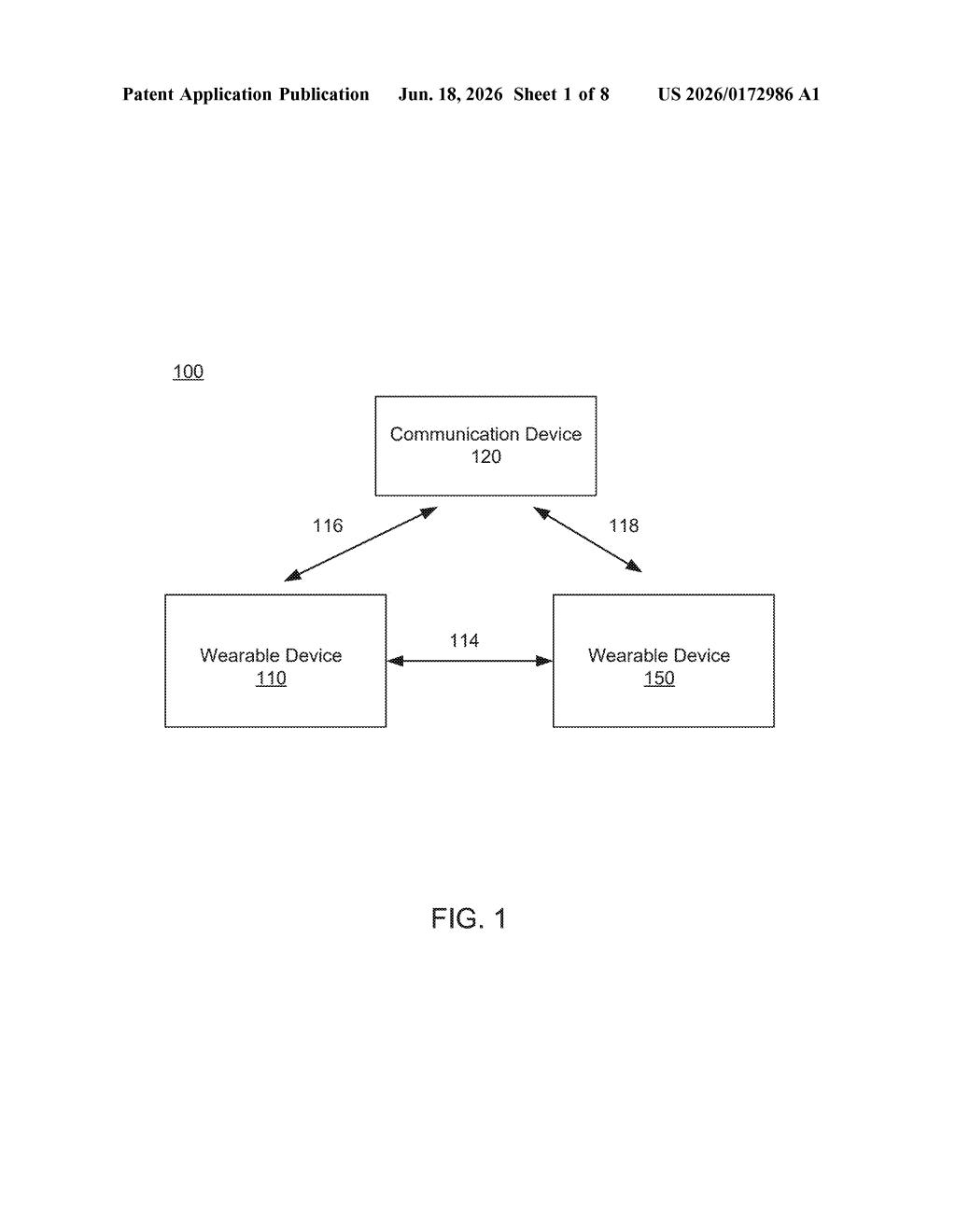
What Meta's motion-aware radio switching actually does
Imagine your smart glasses blasting Wi-Fi or Bluetooth at full power even when they're just sitting on your desk. That's wasted battery. Meta's patent describes a way to stop that from happening automatically.
The glasses use their built-in motion sensor to detect whether they're moving or still. But motion alone isn't enough — glasses can move because you're wearing them, or because someone knocked them off the table. So a second sensor (think proximity or skin-contact detector) confirms whether they're actually on your face.
Based on those two signals combined, the glasses pick from three different radio power modes: one for when you're wearing them and active, one for when they're off your face but still moving, and one for when everything is still. The whole thing happens automatically, with no input from you.
How the IMU and second sensor work together to switch modes
The system relies on two distinct sensors working in sequence. First, an inertial measurement unit (IMU) — the same kind of chip that tells your phone which way it's tilting — detects whether the glasses are in motion or sitting still.
If the IMU says the device is moving, the system then checks a second sensor (separate from the IMU, though the patent doesn't specify exactly which type — candidates include proximity sensors, capacitive skin-contact detectors, or optical sensors) to determine whether the glasses are actually donned (on your face) or doffed (off your face but still moving, like being carried in a bag).
This produces three distinct wireless transmission states:
- Moving + worn: First transmission setting — presumably full or near-full radio power for active use
- Moving + not worn: Second transmission setting — reduced power since no user interaction is happening
- Not moving: Third transmission setting — likely the lowest power state, for when the glasses are just resting somewhere
The logic is designed to prevent the radio from running at unnecessary power levels, which in a small wearable device can make a real difference in how long the battery lasts between charges.
What this means for battery life in Meta's next smart glasses
Battery life is the single biggest obstacle standing between today's smart glasses prototypes and a device people actually wear all day. If the radio — one of the heaviest power draws on any wireless device — can throttle itself down automatically when it's not needed, that's real time added back to the battery.
For Meta specifically, this looks like infrastructure work for the Ray-Ban Meta glasses line or whatever follows them. Those glasses are always connected, always listening, and always burning power. A three-state radio management system like this one wouldn't show up in a spec sheet, but you'd feel it in how long your glasses last before you need to charge them.
This is unglamorous but genuinely useful engineering. The three-state radio logic — not just 'on or off' but 'on-face-and-moving vs. off-face-and-moving vs. still' — is more nuanced than a simple idle timeout, and that nuance is exactly what wearables need. Meta clearly knows battery anxiety is what keeps people from committing to always-on glasses.
There are more where this came from
We read every patent application Big Tech publishes and send you the ones worth knowing. Plain English, free, every week.
Want this weekly breakdown for a company we don't cover? Patentlyze Pro →