
Meta Patents a Way to Turn Flat Video Into 3D Spatial Content Using AI
Meta is patenting a system that takes ordinary, flat video and reconstructs it as three-dimensional content, using an AI model to figure out how far away objects are in the scene. No special camera required on the recording end.
What Meta's 2D-to-3D video conversion actually does
Imagine watching an old home video on a VR headset and having it feel like you're actually in the room, not just staring at a flat screen. That's the kind of experience this patent is aimed at creating.
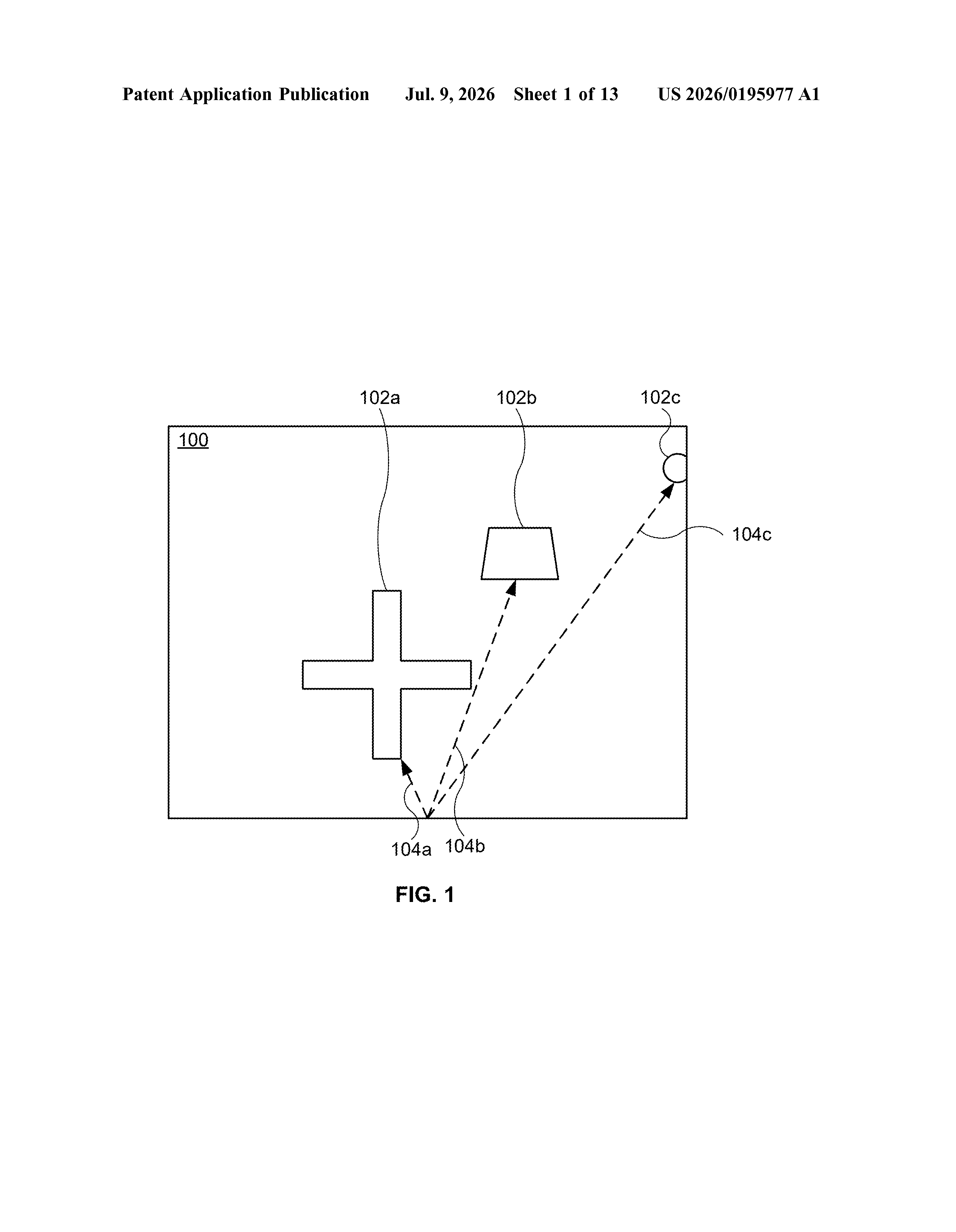
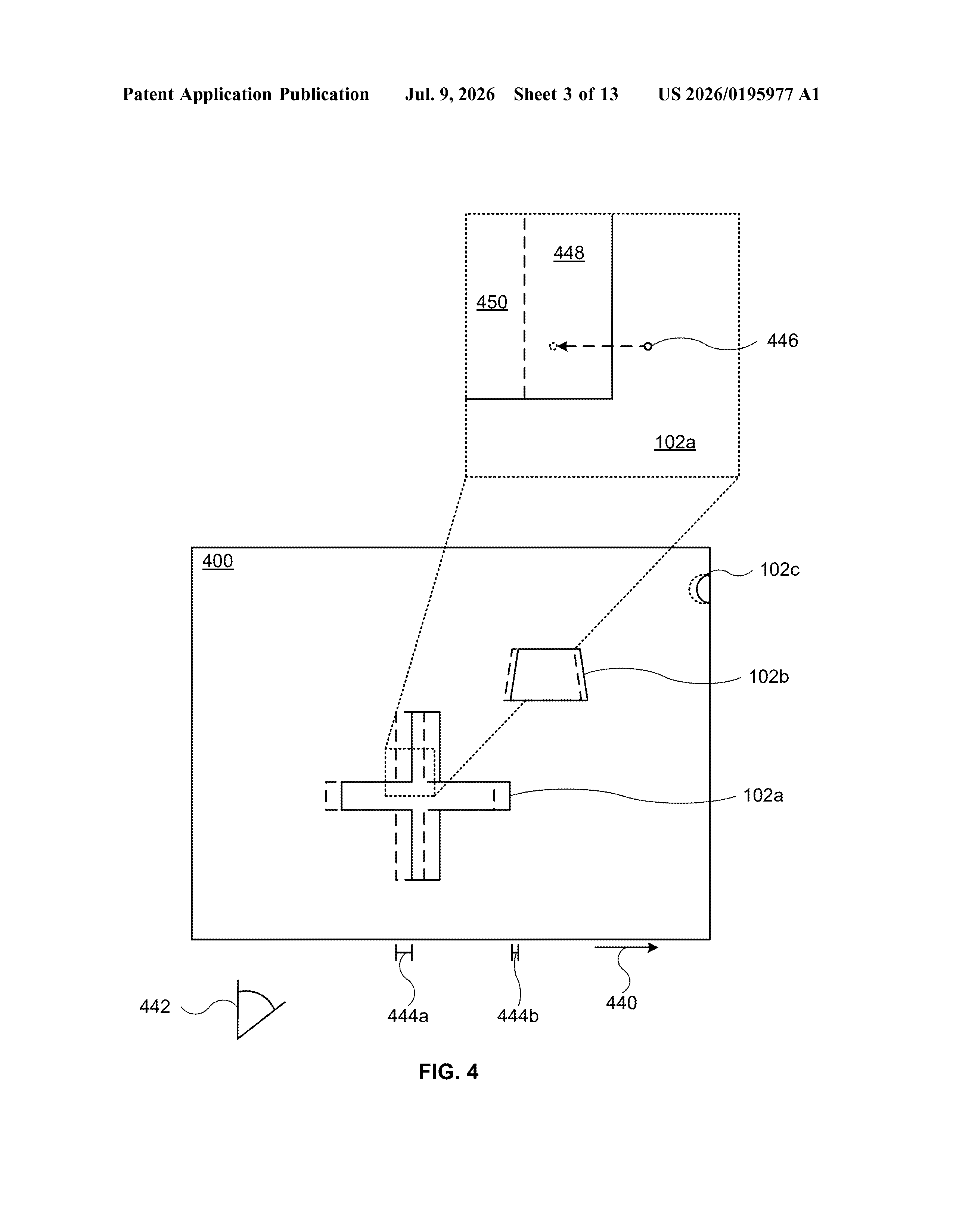
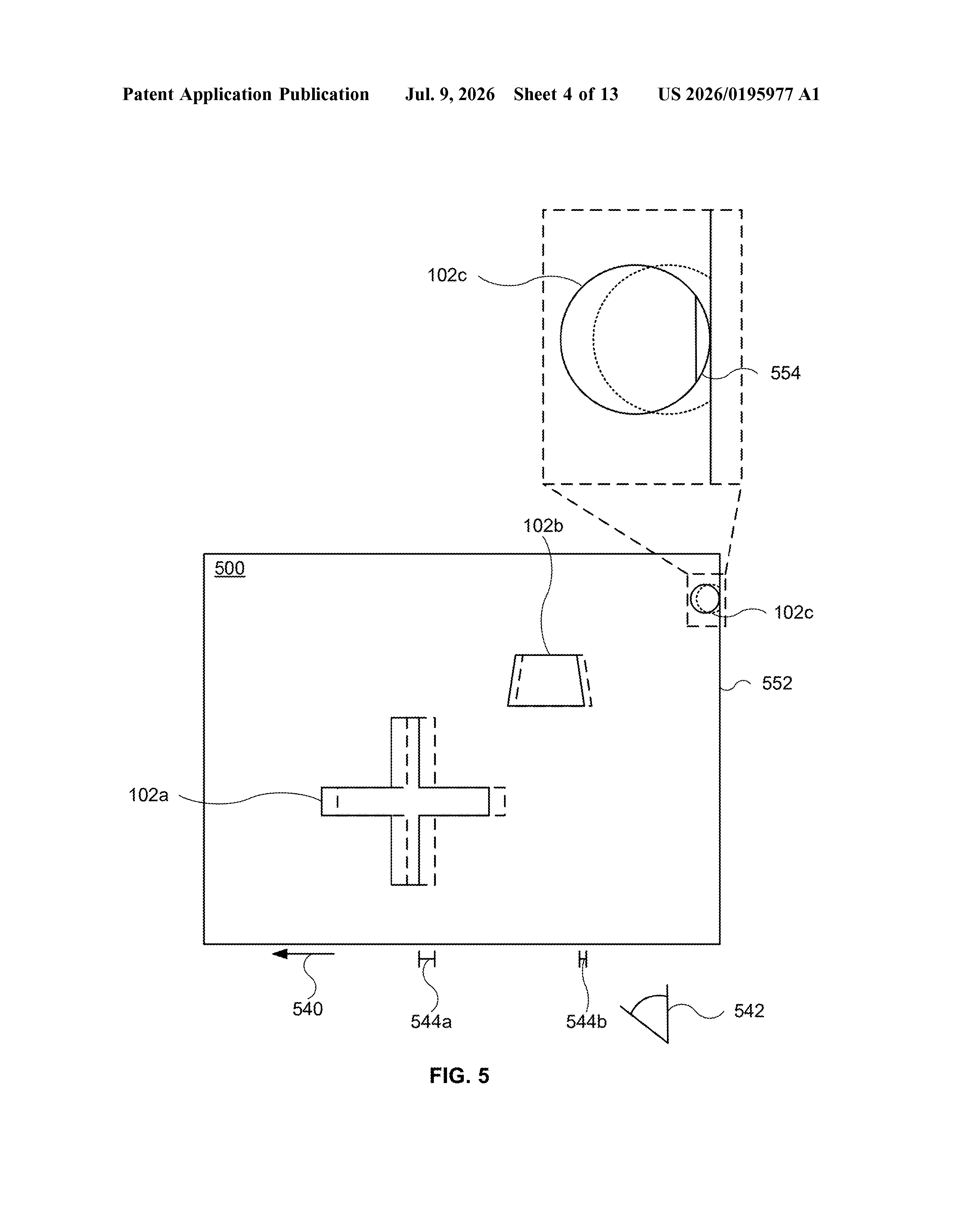
Meta's system takes a regular 2D video frame, the kind shot on any phone or camera, and runs it through an AI model that estimates depth: how close or far each object in the frame appears to be. Using that depth information, it generates two slightly different versions of the same frame, one for your left eye and one for your right. Your brain then does what it always does and fuses them into a single image that feels three-dimensional.
The key point is that no 3D camera is needed when the video is originally recorded. The conversion happens after the fact, entirely in software. For Meta, which sells VR and mixed-reality headsets, having a way to make the world's existing video library feel spatial is a pretty obvious goal.
How the depth map generates two separate output frames
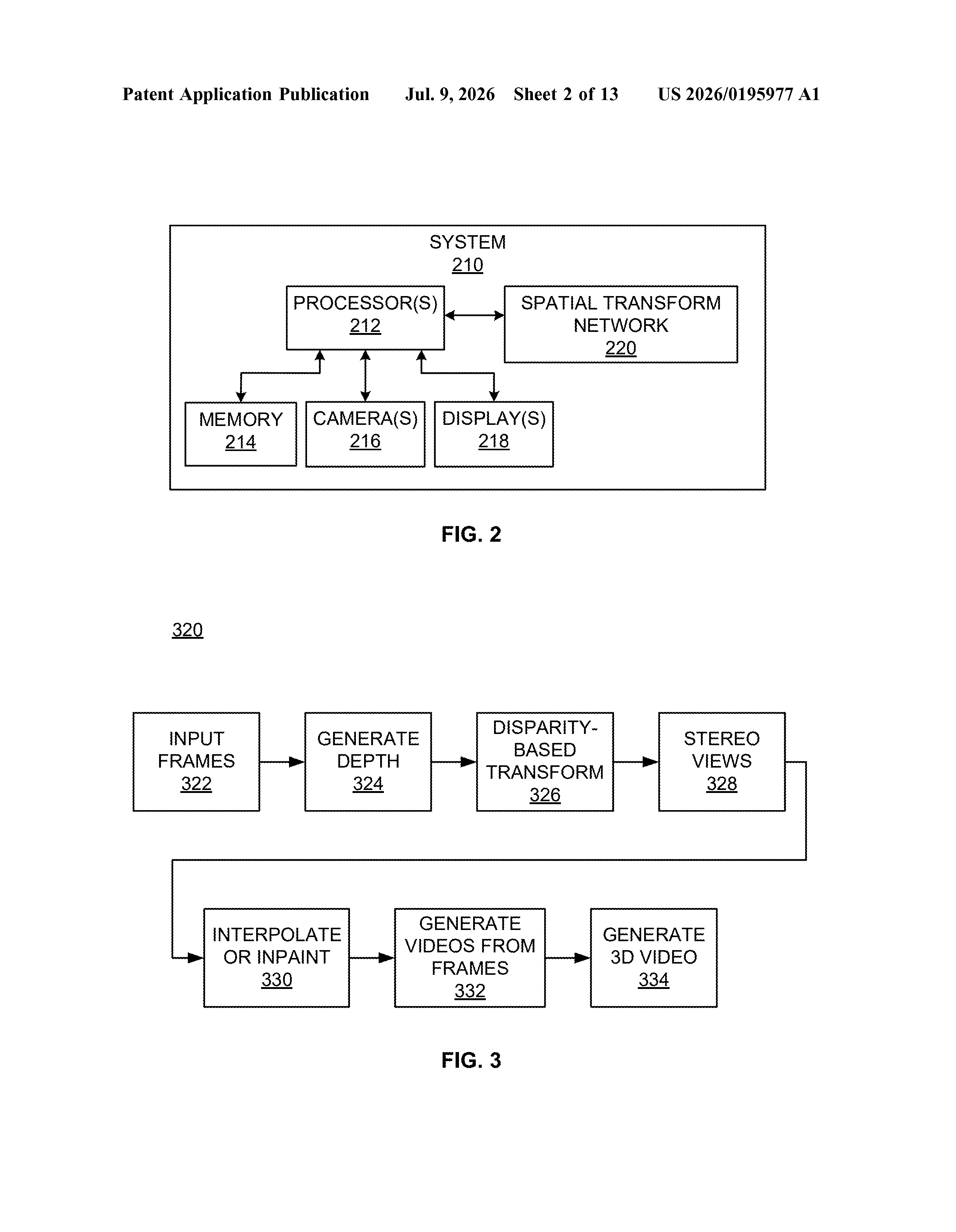
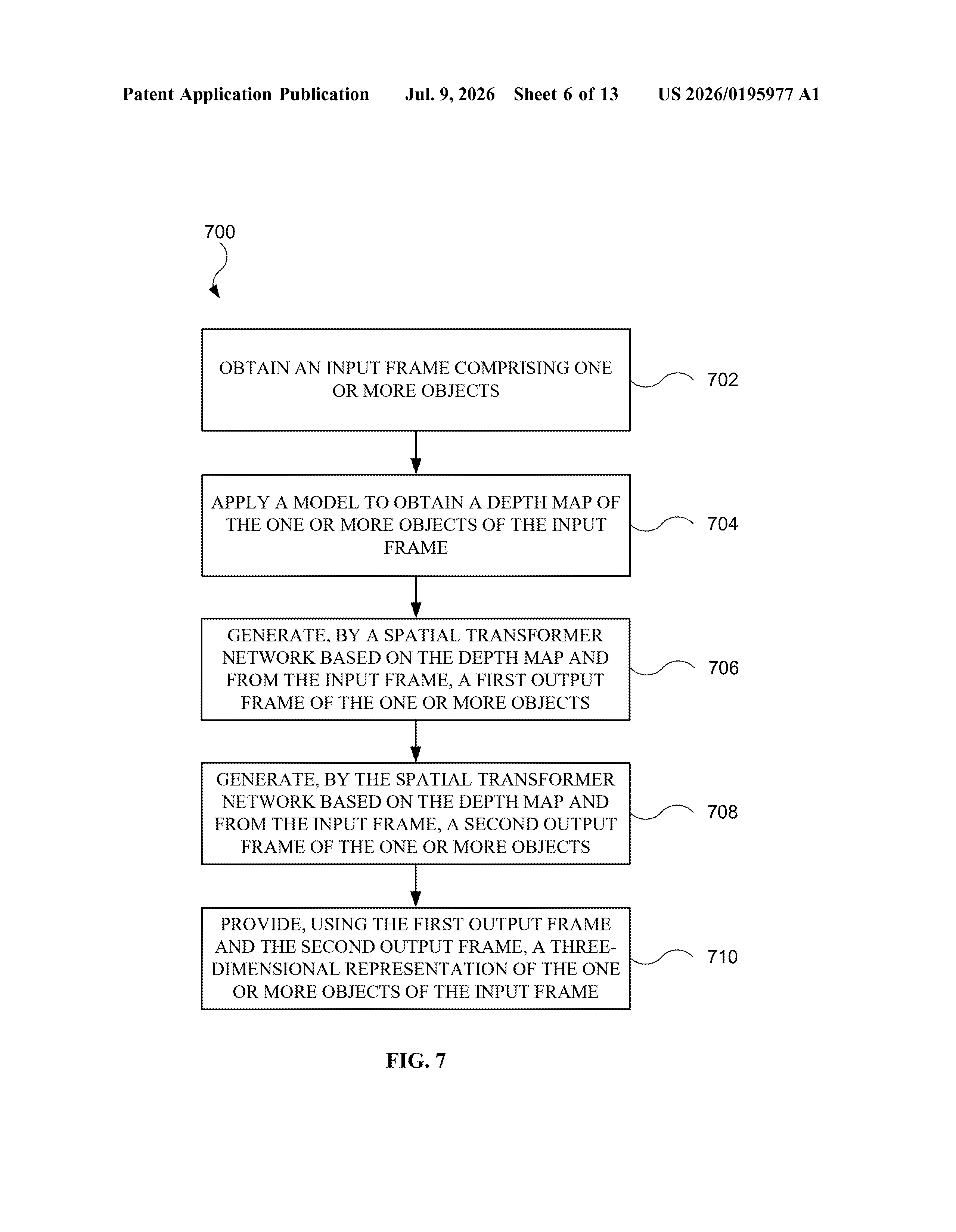
The patent describes a pipeline with a few distinct steps:
- Input: A single 2D video frame containing objects or scenes, sourced from any standard video.
- Depth estimation: A machine learning model analyzes the frame and produces a depth map, a pixel-by-pixel estimate of how far each part of the image is from the viewer. Think of it as a grayscale overlay where brighter areas are closer and darker areas are farther away.
- Frame generation: The system uses the depth map plus the original 2D frame to generate two output frames. These represent slightly offset perspectives, simulating what your left eye and your right eye would each see of the same scene.
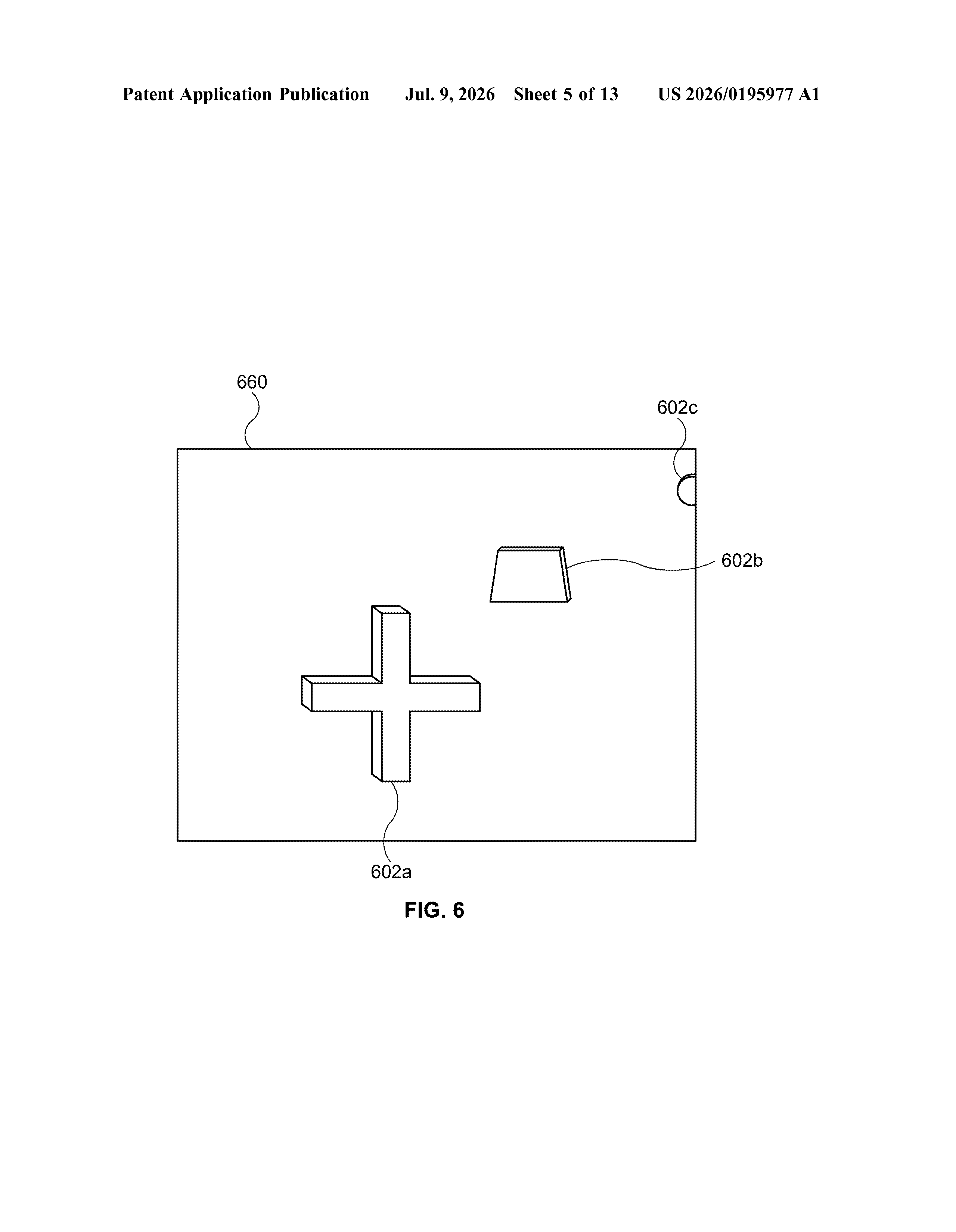
- 3D output: The two frames are combined into a stereoscopic 3D representation, the standard format for VR and spatial displays.
The approach is sometimes called monocular depth estimation, meaning it infers 3D structure from a single flat image rather than from a stereo camera pair. This is a well-studied AI problem, and Meta's patent focuses specifically on applying it to video frames in a way that produces usable left-eye and right-eye output images for headsets.
What this means for Quest headsets and spatial video
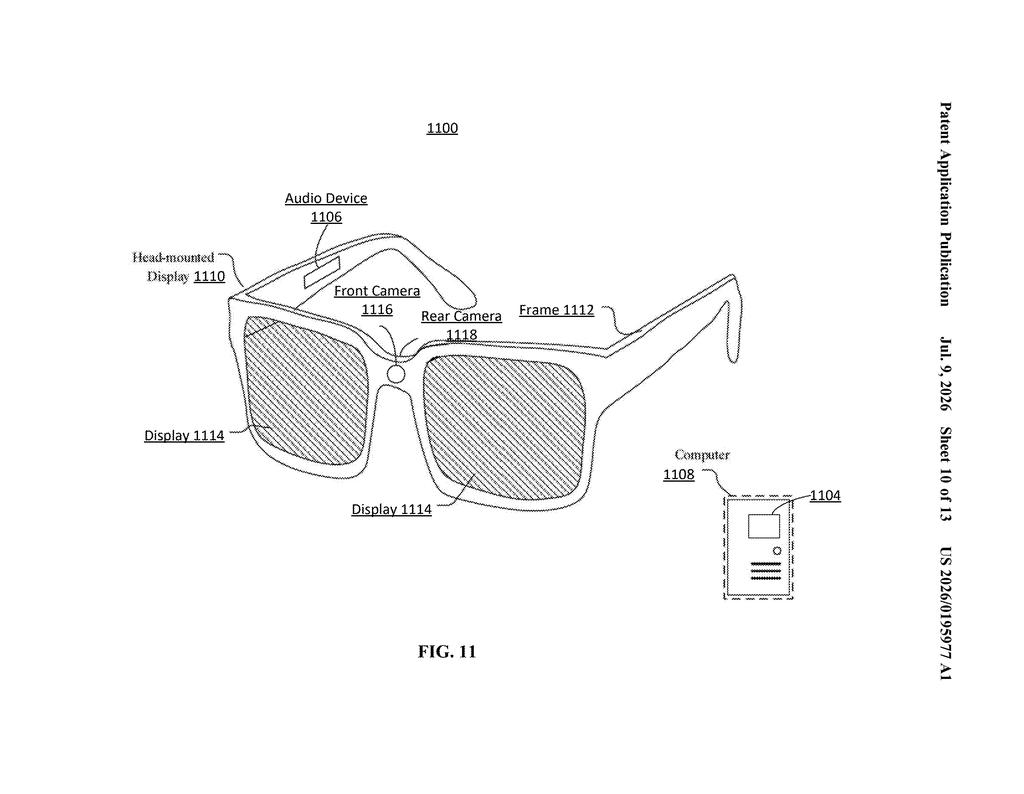
Meta's Quest headsets and Ray-Ban smart glasses are built around the idea of spatial media, content that feels like it occupies real space around you. The problem is that almost all existing video is flat. A system that can convert regular 2D video into something watchable in 3D on a headset would dramatically expand the content available to headset owners without requiring anyone to go back and reshoot anything.
For you as a headset owner, this could mean watching decades of archival footage, sports broadcasts, or family videos in a format that feels more immersive. For Meta, it's a practical answer to the content library problem that has slowed adoption of spatial computing devices across the industry.
This is a practical, unsexy patent that addresses a real bottleneck: VR headsets need 3D content, but nearly all existing video is 2D. Monocular depth estimation isn't new science, but packaging it into a production-ready video conversion pipeline for Meta's own devices is a legitimate engineering goal. Whether the output quality is good enough to actually feel immersive is a separate question the patent doesn't answer.
There are more where this came from
We read every patent application Big Tech publishes and send you the ones worth knowing. Plain English, free, every week.
The drawings
13 drawing sheets from US 2026/0195977 A1 · click any drawing to enlarge
Want this weekly breakdown for a company we don't cover? Patentlyze Pro →