
Apple Patents an App That Schedules EV Charging Around Energy Costs
Apple is filing patents in EV charging optimization — an area that puts it squarely in the middle of smart home energy management, even without making a car of its own.
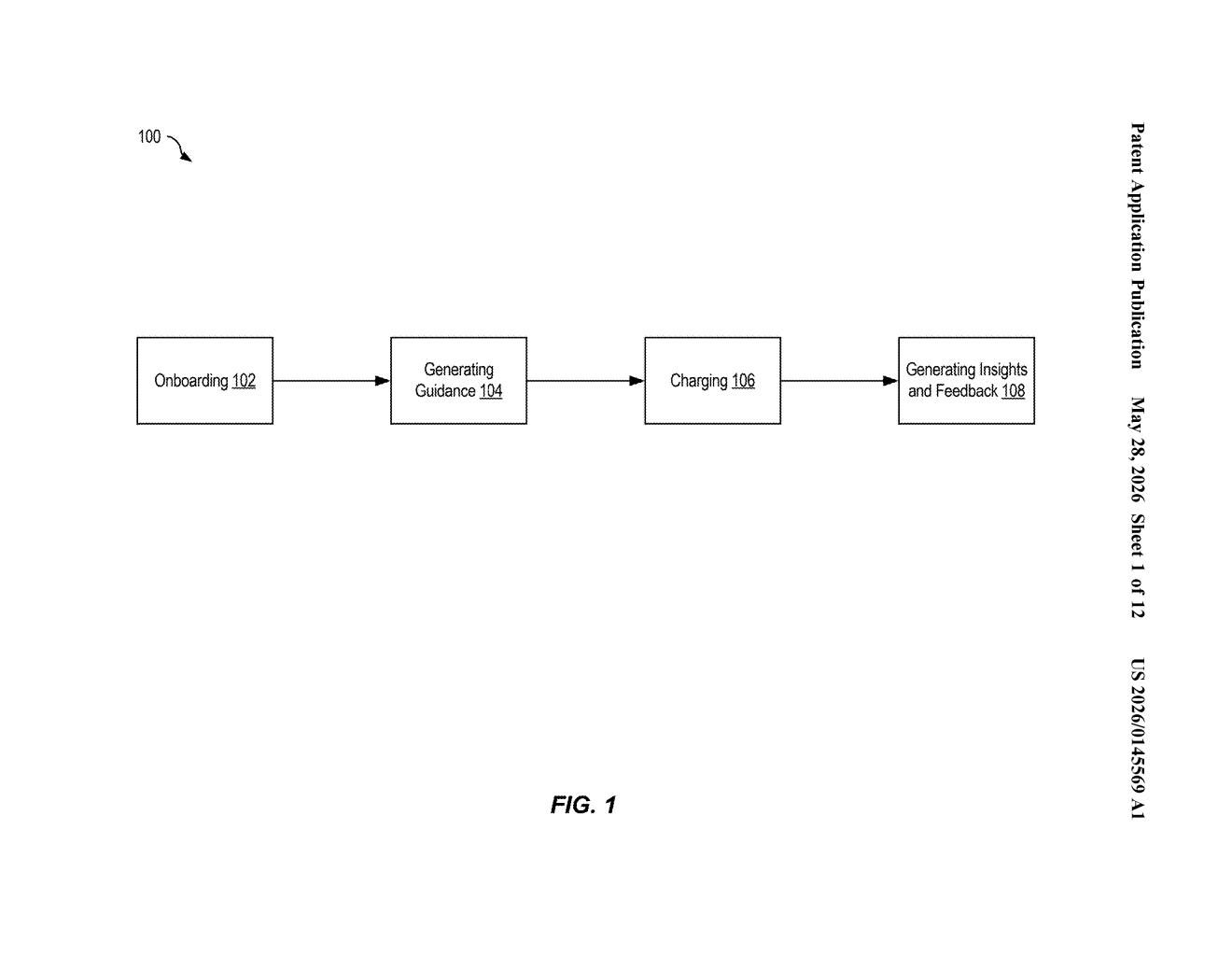
What Apple's EV charging guidance system actually does
Imagine your electric car is plugged in overnight, and your utility charges different rates depending on the hour — cheaper at 2 a.m., expensive at 7 p.m. Right now, most people either manually schedule charging or just let the car top up whenever it's plugged in, often at the worst times.
Apple's patent describes a system where an app on your device receives a signal about your energy source — things like grid pricing, carbon intensity, or availability — and then generates what it calls an energy guidance signal. That signal tells a separate charging management app when to actually pull power, shifting consumption to better windows automatically.
The idea is that your phone becomes the coordinator between the grid and your charger, without you needing to think about it. It's similar to how smart thermostats pre-cool your home before peak rates kick in — except here it's your EV battery being filled at the right moment.
How the energy guidance signal shifts charging windows
The patent describes a computer-implemented method running on a user device — likely an iPhone or iPad — through what Apple calls an energy guidance application.
The flow has four main steps:
- Request intake: The app receives an indication that someone wants an energy guidance signal tied to a specific electrical energy source (a home charger, a utility account, etc.).
- Characteristic ingestion: It pulls in one or more characteristics of that energy source during target time periods — think real-time electricity pricing, renewable energy availability, or grid load signals.
- Signal generation: Using those characteristics, it generates an energy guidance signal — essentially a schedule or recommendation for when to charge.
- Handoff: That signal is passed to a separate EV charging management application, which actually controls the charging hardware.
The two-app architecture is notable: Apple's guidance layer sits above the actual charger control software, acting as a broker. This separation means the system could theoretically work with third-party charging apps or hardware, as long as they can accept the signal.
What this means for Apple's EV and energy ambitions
On the surface, this is a fairly incremental idea — time-of-use charging optimization already exists in apps from Tesla, ChargePoint, and utilities like Enel X. What Apple is doing here is positioning a user device as the orchestration layer between grid signals and charging hardware, which fits neatly into its broader home energy platform ambitions alongside HomeKit and the Home app.
For you as an EV owner, the practical upside is real: automatically charging when electricity is cheapest or greenest without manually digging into your utility's rate schedule. Whether Apple builds this into iOS or keeps it as a standalone app, it signals the company is taking residential energy management seriously as a product category.
This is a solid but unsurprising filing — Apple has been quietly expanding its energy and home automation footprint, and EV charging optimization is a logical next step. The two-app architecture (guidance layer separate from charger control) is the genuinely interesting design choice, since it implies Apple wants to be the intelligence layer without needing to own the charging hardware. Don't expect a headline product announcement from this alone, but it's a real piece of infrastructure thinking.
There are more where this came from
We read every patent application Big Tech publishes and send you the ones worth knowing. Plain English, free, every week.
Want this weekly breakdown for a company we don't cover? Patentlyze Pro →