
Microsoft Patent Reveals AI Assistants That Explain Their Own Mistakes in Real Time
When an AI assistant gives you a wrong or confusing answer during a meeting, you usually have no idea why. Microsoft is filing a patent for a system that figures out what went wrong and explains it back to you in plain language.
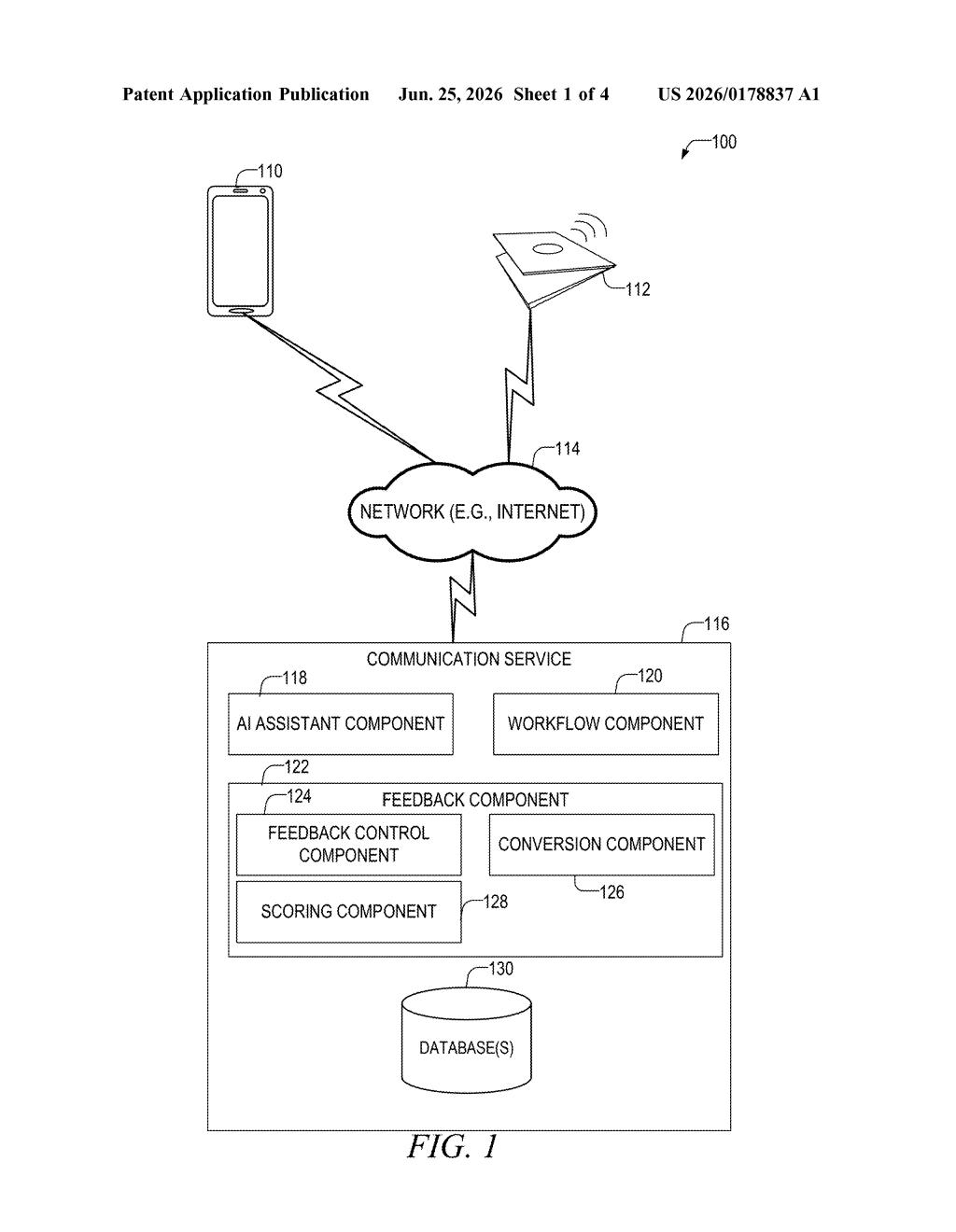
What Microsoft's AI self-explanation system actually does
Imagine you're in a video call, and the AI assistant summarizes a discussion incorrectly. You type back, "That's not right, why did you say that?" Right now, most AI tools would just apologize or try again. Microsoft's patent describes a system that actually investigates the mistake.
The system watches the whole session: the audio, video, chat, screen shares, and the conversation history. When you flag a bad answer, it works backward to figure out which part of its own processing probably caused the error, then matches that against a library of past session patterns.
Finally, it writes you a plain-language explanation of what went wrong. Instead of a vague "I'm sorry, let me try again," you'd get something closer to a real reason.
How the system traces a bad AI answer back to its source
The patent describes a two-stage analysis pipeline that kicks in when a user signals dissatisfaction with an AI response.
Stage one: identifying the cause. The system takes all the data from the communication session (audio frames, video frames, transcripts, chat messages, screen-sharing content, and the original exchange) and feeds it into a scoring AI model. That model calculates a "transformer sequence," which is essentially a snapshot of the internal processing steps the AI took to generate the bad answer. The term "transformer" here refers to the underlying architecture most modern AI language models use.
Stage two: matching and explaining. The transformer sequence is then vectorized (converted into a numerical format for comparison) and matched against a stored library of past session workflows. A workflow in this context is a structured text description of what happened during a session. Once the closest matching workflow is found, a generative AI model (the patent cites GPT and BERT as examples) produces a natural language explanation of why the original response was likely wrong.
The key claim is that this all happens in real time, during the active session, not as a post-meeting report.
What this means for AI assistants in Teams and beyond
AI assistants in meeting tools like Microsoft Teams are already summarizing calls, answering questions, and taking notes. The more consequential those tasks become, the more painful it is when they get something wrong and can't tell you why. A system that explains its own errors in context could make it easier for users to trust, correct, and improve AI behavior during actual work.
There's also a broader signal here: Microsoft is thinking seriously about AI accountability at the session level, not just model-level accuracy. If this kind of feedback loop ships in a product, it would put pressure on competitors like Google (Meet) and Zoom to offer similar transparency features.
This is a genuinely practical idea in a space where practicality is rare. Most AI-in-meetings work focuses on what the AI produces, not on helping users understand when and why it fails. A real-time self-explanation loop could meaningfully close that trust gap, especially in enterprise settings where wrong AI summaries carry real consequences. The engineering challenge is whether this can actually run fast enough during a live session to be useful.
There are more where this came from
We read every patent application Big Tech publishes and send you the ones worth knowing. Plain English, free, every week.
Want this weekly breakdown for a company we don't cover? Patentlyze Pro →