
Microsoft Patents an AI Image Tool That Checks a Library Before Drawing Anything New
Running an AI image generator for every single request is expensive and energy-hungry — even when the image you need is something totally generic, like a stock cloud icon or a placeholder avatar. Microsoft's new patent proposes a much more frugal approach: check a pre-built library first, and only fire up the AI model if nothing there is good enough.
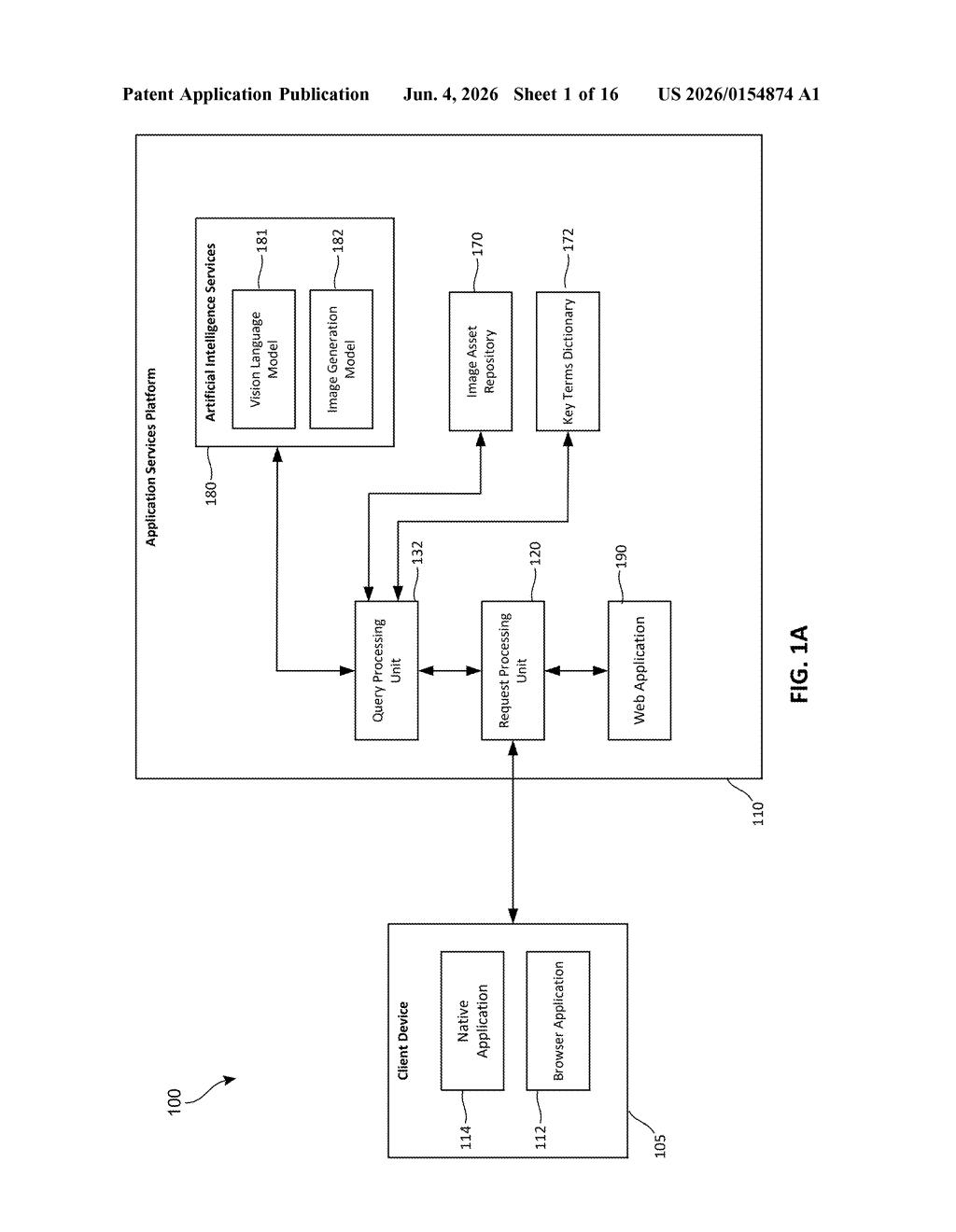
How Microsoft's image cache avoids running AI at all
Imagine you ask a design tool to generate an image of "a blue folder icon." Today, many systems would spin up a full AI model — burning compute power and energy — to produce that image from scratch, even though a perfectly good folder icon probably already exists in a library somewhere.
Microsoft's patent describes a system that checks a pre-stored image library before doing any AI generation. If your request matches something already in that library (or something close enough that a quick tweak would work), you get the result instantly, with no AI model involved at all. Only when your prompt is genuinely novel — something the library can't cover — does the system invoke the full AI generator.
The result is a tiered pipeline: fast and cheap for common requests, full AI power reserved for the truly creative ones. It's a bit like a restaurant that has popular dishes pre-prepped and only cooks from scratch when you order something off-menu.
How the two-mode image pipeline decides which path to take
The system defines two operating modes for an image generation pipeline:
- First generation mode (cache mode): The system searches a pre-organized image asset repository — a structured library of prestored images — and returns either an exact match or a modified version of a stored asset (e.g., recolored, resized, or composited) to satisfy the request.
- Second generation mode (AI mode): When the repository can't meet a configurable threshold condition (meaning no stored asset is close enough), the system routes the request to a full AI/ML image generation model.
The key intelligence lives in the analysis step: the system parses the incoming text prompt and evaluates whether any prestored content clears that threshold — think of it as a relevance score gate. If yes, return the cached asset. If no, generate fresh.
The patent also references adaptive caching, meaning the system can learn over time which prompts are requested frequently and proactively add those results to the repository — so more and more requests get served from cache as usage grows.
This is essentially a retrieval-augmented generation (RAG) approach applied to images rather than text: try the cheap retrieval path first, fall back to expensive generation only when needed.
What this means for AI infrastructure costs and energy use
AI image generation is computationally expensive — each inference call on a large diffusion model can cost meaningful GPU time and electricity. For a platform serving millions of requests (think Copilot, Designer, or any Microsoft 365 creative tool), even routing 30–40% of traffic to a cache instead of a model represents enormous cost and carbon savings.
For you as a user, the practical upside is speed: cached responses arrive near-instantly versus the multi-second wait typical of AI generation. The tradeoff is that cached results are pre-existing assets, not freshly imagined ones — but for the huge category of generic, repeated, or template-style image requests, that's a perfectly fine deal.
This is genuinely sensible systems engineering dressed up in patent language. The insight — that a lot of AI image requests are boring and repetitive enough to be served from a cache — is obvious in retrospect but clearly worth protecting. It's less exciting than a new model architecture, but it's the kind of infrastructure optimization that actually ships and saves real money at scale. Worth watching if you care about sustainable AI infrastructure.
There are more where this came from
We read every patent application Big Tech publishes and send you the ones worth knowing. Plain English, free, every week.
Want this weekly breakdown for a company we don't cover? Patentlyze Pro →