
Microsoft Patents an AI Recap That Reminds You What Happened Last Time You Played
Come back to a game after months away and you may have no idea what you were doing. Microsoft's patent has an AI write you a recap of your last session, built from a handful of screenshots.
What Microsoft's gaming recap patent actually does
Imagine you put down a racing game for three months because life got busy. When you finally pick the controller back up, you can't remember what upgrades your car has, or whether you ever finished that last race.
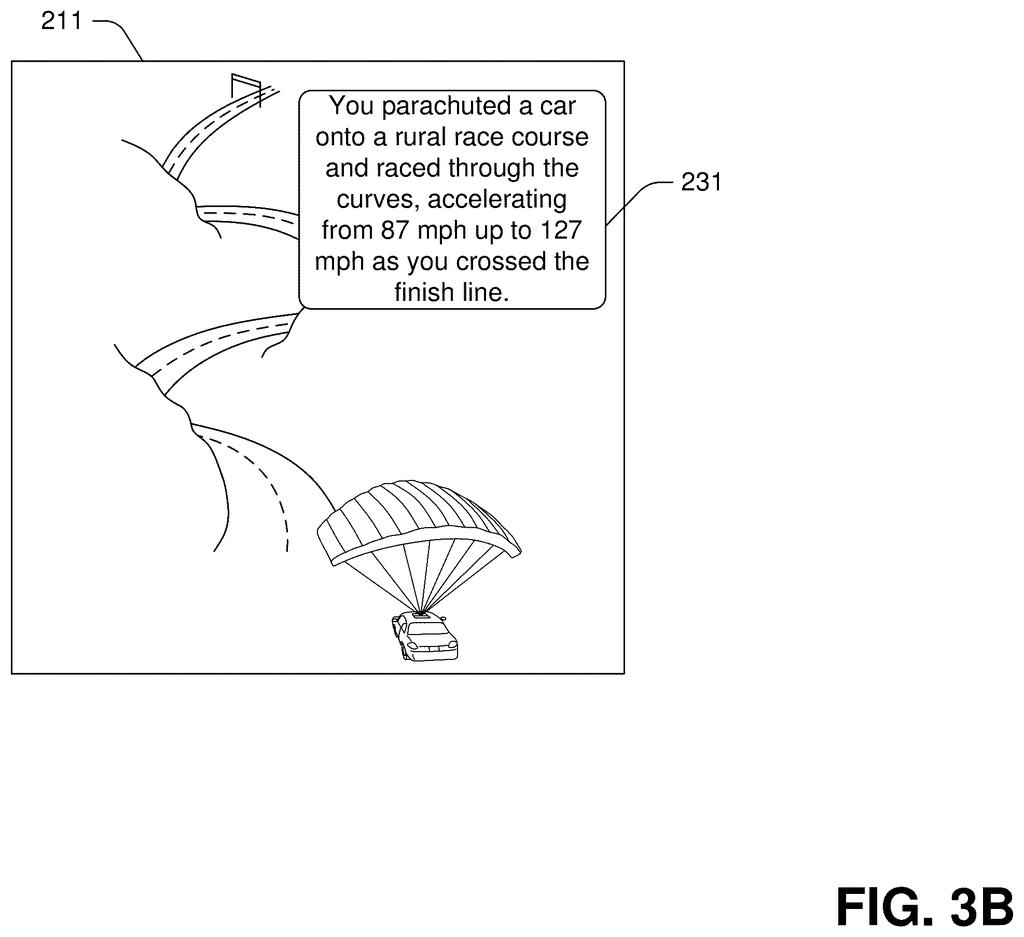
Microsoft's patent describes a game console or streaming service that takes a screenshot every so often while you play, say once every 30 seconds. An AI model writes a short caption for each screenshot, then reads all the captions and writes one overall story of your session.
The next time you start the game, that recap shows up while the game loads, alongside the saved screenshots. The filing also describes a way to scrub out private things like on-screen chat, and a way to match each recap to the right save file.
… instructing a generative machine learning model to generate respective frame narratives describing individual video frames from the sequence; instructing the generative machine learning model to generate an overall narrative describing the video game session based at least on the respective frame narratives; …
Translation: The AI writes descriptions of specific gameplay moments and then combines them into a full recap.
How screenshots become a written session recap
The main claim covers four steps. First, the system collects video frames (snapshots of the game's video stream) from a play session. Second, a generative machine learning model (an AI that writes new text, like the ones behind modern chatbots) is told to write a "frame narrative," a short description, for each frame. Third, the model is told to write an "overall narrative" of the whole session from those descriptions. Fourth, the player gets a summary that includes the overall narrative and the frames.
The filing describes several ways to choose which frames to capture:
- At a fixed rate, such as once every 30 seconds.
- When a screen differs enough from the earlier one, measured by comparing pixels.
- When the game itself flags a big moment through an API (a built-in way for programs to talk to each other).
Each new caption is written with the earlier captions as context, so the model keeps a running commentary without re-reading old images. The final recap step reads only text, no images. Prompts can tell the model to look for things like finish lines, warning flags and crashes, and to ignore trees and buildings.
Other claims add chat redaction, plus storing several recaps tied to different save points and matching them by timestamp.
Then, a generative machine learning model can be instructed to generate frame narratives describing the frames. The frame narratives can then be employed by the generative machine learning model to generate an overall summary of the gaming session, which can be output to the user at a later time.
Translation: The system analyzes your past gameplay frames and turns them into a story summary you can read later.
Why a recap beats a screenshot after months away
If you keep a long list of half-finished games, a recap that tells you where you were is a real quality-of-life fix. The filing describes it appearing while the game loads, so the wait becomes useful. It can also show up on a different device than the one you played on, such as your phone after a console session.
Because the system mostly works from what the platform can already see (video, audio, chat), it doesn't need developers to rebuild each game, which helps with older titles. It also keeps costs down: at 60 frames per second with one capture every 30 seconds, only about one in every 1,800 frames gets processed. The examiner's first review rejected the claims as filed, which is routine and usually followed by amendments.
Microsoft's 12th filing in our AI simulation coverage since May follows earlier applications like one on reading body movements in calls and one mapping cause and effect on farms.
Claim 1 is short and wide. It names four steps: grab frames from a play session, have an AI write a caption for each one, have the AI write a story from those captions, and show the player that story with the frames.
Look at what the claim leaves out. It sets no capture rate, names no particular AI model, and says nothing about where the work happens, so a console, a phone or a cloud server would all fit the wording. The 30-second timing, chat redaction and save-file matching all sit in later claims.
What the claim does pin down is the two-stage shape: captions first, then a story built from the captions. If it were granted as written, a recap that skipped the caption step, or a plain screenshot reminder, would not match the wording. The idea is simple and sensible, and a claim this broad often gets narrowed during review.
Get our take in your Top Stories
Liked this breakdown? Add Patentlyze as a preferred source on Google, and our plain-English take shows up more often in your Top Stories the next time Microsoft patent news breaks.
There are more where this came from
We read every patent application Big Tech publishes and send you the ones worth knowing. Plain English, free, every week.
The drawings
22 drawing sheets from US 2026/0350993 A1 · click any drawing to enlarge


Show the other 14 sheets


Want this weekly breakdown for a company we don't cover? Patentlyze Pro →
Be the first to weigh in