
Microsoft Patent Targets False Alarms With Self-Tuning Anomaly Detection System
Every automated alert system has the same core problem: it flags too much, and eventually people stop listening. Microsoft's new patent tries to fix that by teaching the system to learn from the false alarms it already made.
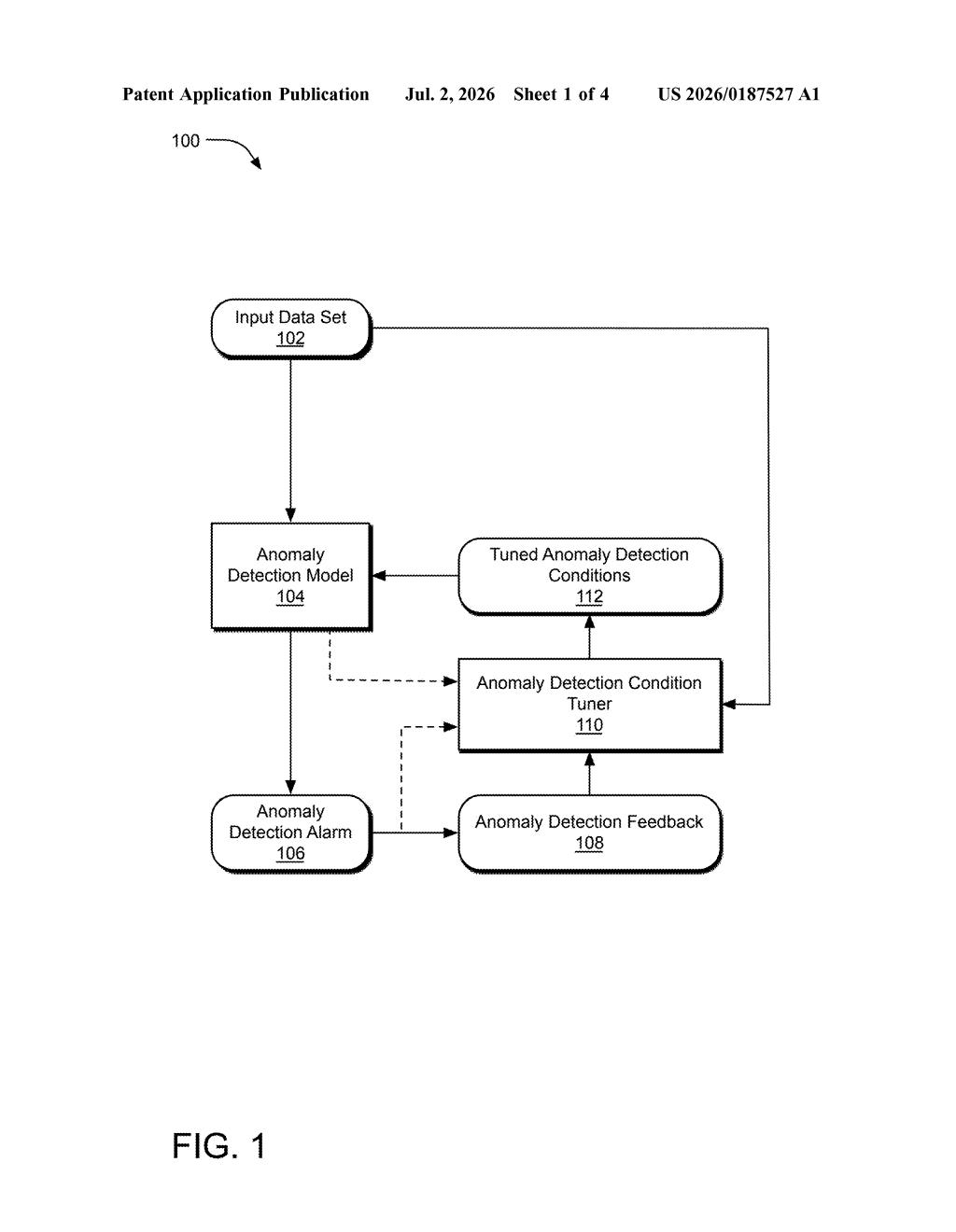
How Microsoft's self-adjusting alert system works
Imagine a smoke detector that goes off every time you make toast. After a while, you stop paying attention to it, even when there's a real fire. Automated anomaly detectors in software systems have the exact same problem: too many false alerts, and the people watching them start ignoring everything.
Microsoft's patent describes a way for an anomaly detection system to teach itself where to set its own alert thresholds. Instead of an engineer manually dialing in the sensitivity, the system looks at past alerts, checks whether they turned out to be real problems or false alarms, and uses that feedback to recalibrate.
The result is a detector that gets more accurate over time and adapts automatically when the data it watches starts behaving differently. That kind of automatic adjustment is exactly what large-scale cloud and security monitoring systems need to stay useful without requiring constant human babysitting.
How the two-model tuning pipeline refines thresholds
The patent describes a two-stage machine learning pipeline designed to automatically tune the thresholds (called "anomaly detection conditions") that tell a monitoring system when something is actually wrong.
Stage one trains a "condition tuning model" on three inputs: the characteristics (features) of past data the detector monitored, the thresholds the detector was using at the time, and human-labeled feedback saying whether each flagged anomaly was real or a false alarm. The model learns which threshold settings led to correct calls.
Stage two takes those learned thresholds and trains a second model, a "condition regression model" (think of this as a curve-fitting tool that generalizes the tuned thresholds to data it hasn't seen before). When new data arrives, this second model generates a fresh set of thresholds tailored to that specific data's characteristics, rather than relying on a fixed, one-size-fits-all setting.
- The first model figures out the right thresholds for data it has already seen.
- The second model generalizes those thresholds to new, unseen data.
- The anomaly detector then runs against the new data using those freshly generated thresholds.
The key distinction here is that the system isn't just retraining on more data. It's building a separate meta-model whose entire job is to figure out the right detection settings before the main detector even runs.
What this means for security and operations teams
For security operations centers and cloud infrastructure teams, alert fatigue is one of the biggest practical problems. When a monitoring tool flags hundreds of non-issues a day, analysts become desensitized, and real threats get missed. A system that automatically tightens or loosens its own thresholds based on verified outcomes could meaningfully cut down that noise without requiring a dedicated engineer to babysit the configuration.
This fits squarely into Microsoft's push to make its Azure Monitor, Microsoft Sentinel (its security information platform), and related cloud services more self-managing. If this approach ships in a product, you'd potentially see fewer spurious alerts in whatever Microsoft monitoring tool your organization uses, with the system recalibrating in the background rather than drifting out of date.
This is genuinely useful, unglamorous engineering. Anomaly detection that misfires constantly is worse than useless, because it trains people to ignore it. A meta-learning layer that adjusts thresholds from feedback is a sensible architectural fix, and it's the kind of incremental improvement that actually ships and saves time for real operations teams. Don't expect a flashy announcement, but do expect to see something like this land in Azure or Sentinel.
Get our take in your Top Stories
Liked this breakdown? Add Patentlyze as a preferred source on Google, and our plain-English take shows up more often in your Top Stories the next time Microsoft patent news breaks.
There are more where this came from
We read every patent application Big Tech publishes and send you the ones worth knowing. Plain English, free, every week.
Want this weekly breakdown for a company we don't cover? Patentlyze Pro →