
Microsoft Patents a System That Catches Bad Auto-Dubbing Before You Hear It
Auto-dubbing has gotten impressively fast, but the output can still be rough enough to pull you right out of whatever you're watching. Microsoft is patenting a system that scores the quality of each dubbed audio clip in real time and tells the video player to flag the bad ones before they ever reach your ears.
How Microsoft's dubbing quality check actually works
You're watching a foreign-language video that's being dubbed on the fly into English, and the translated voice suddenly sounds rushed, garbled, or completely out of sync with what's happening on screen. That's the problem Microsoft is trying to get ahead of.
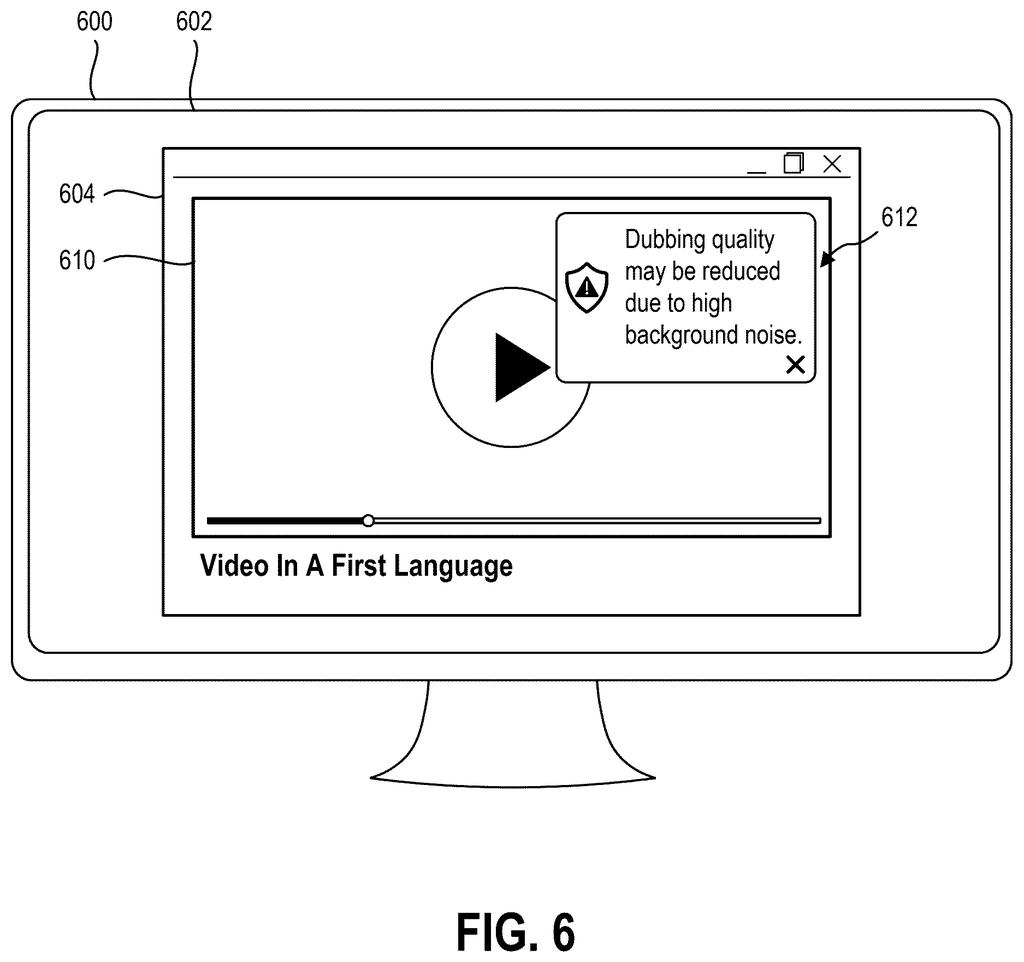
The patent describes software running on your own device (not on a distant server) that scores each chunk of dubbed audio the moment it's created. If the score falls below an acceptable threshold, the system sends a warning to the video player before that segment even starts playing. The player can then flag the moment or handle it gracefully rather than just playing something that sounds broken.
The system also tries to explain why a particular clip scored poorly, whether it was a translation problem, a timing mismatch, or a speech-synthesis issue. That's a meaningful step beyond simply knowing something went wrong.
… based on determining that the dubbing quality score is below a dubbing quality threshold, providing a low-quality dubbing indication to a video player indicating that a video segment associated with the audio segment is of poor dubbing quality before the video segment is played by the video player with the dubbed audio segment.
Translation: The system detects bad translations and warns the video player to flag them before the viewer hears the audio.
How the on-device scorer flags a dub before playback
The patent covers a pipeline that runs entirely on the client device, meaning the quality checks happen locally alongside the dubbing itself rather than being sent off to a cloud service for review.
When the dubbing model converts a spoken audio segment from one language into another, a set of lightweight machine-learning models runs in parallel to evaluate the result. These models calculate dubbing metric values across several dimensions, things like translation accuracy, speech naturalness, and timing alignment between the dubbed audio and the original video.
Those metric values feed into a dubbing quality score. If the score drops below a set threshold, the system issues a low-quality dubbing indication to the video player. Critically, this warning is meant to arrive before playback of that segment begins, giving the player time to react rather than simply playing a bad clip and hoping the viewer doesn't notice.
- The system identifies the root cause of a low score, pinpointing whether the problem came from translation, voice synthesis, or synchronization.
- It can surface that reasoning to the viewer when a segment starts, so you understand why a moment sounded off.
- All of this runs with models specifically described as lightweight, designed to work within the constraints of a phone or laptop rather than requiring a data center.
… this disclosure describes a video dubbing system that utilizes various lightweight machine learning models to determine the dubbing quality (e.g., a dubbing quality score) of a real-time generated dubbed segment and identify the cause of low-quality dubbing segments (e.g., the root cause of a low-quality score).
Translation: Microsoft uses small AI models to grade translated audio in real time and explain exactly why a specific clip sounds wrong.
What this means for auto-translated video streaming
Auto-dubbing is becoming a real feature in video platforms and communication tools, not a curiosity. As that happens, the failure modes matter more: a single badly dubbed sentence during a tense scene or a business presentation can undermine trust in the whole system. A quality layer that catches problems proactively, rather than letting them play out, addresses a real gap that today's real-time dubbing pipelines don't cover well.
Microsoft's angle here is also telling: keeping the quality-scoring on the device rather than routing it through a server reduces latency and privacy concerns, both of which matter for anything approaching a real-time communication product. Reporters tracking interesting tech patents in the auto-translation and on-device AI space will find this filing a useful data point on where local inference is being applied to media quality control.
Bad auto-dubbing actively erodes confidence in AI-translation features, and even one rough segment can make a user turn the feature off permanently; that underappreciated failure is the target here. Microsoft's approach of scoring quality proactively and routing warnings to the player before playback is a practical match for it, because after-the-fact fixes in a streaming context are nearly useless. The on-device framing also matters: running these checks locally keeps latency low enough to be useful in real time, which is the only timeline that counts for live or near-live content.
Get our take in your Top Stories
Liked this breakdown? Add Patentlyze as a preferred source on Google, and our plain-English take shows up more often in your Top Stories the next time Microsoft patent news breaks.
There are more where this came from
We read every patent application Big Tech publishes and send you the ones worth knowing. Plain English, free, every week.
The drawings
9 drawing sheets from US 2026/0237400 A1 · click any drawing to enlarge


Want this weekly breakdown for a company we don't cover? Patentlyze Pro →
Be the first to weigh in