
Samsung Patents a Screenshot Tool That Captures Moving Objects Mid-Action
We've all taken a screenshot of a video or animated screen only to get a blurry, mid-motion mess. Samsung is patenting a way to fix that automatically.
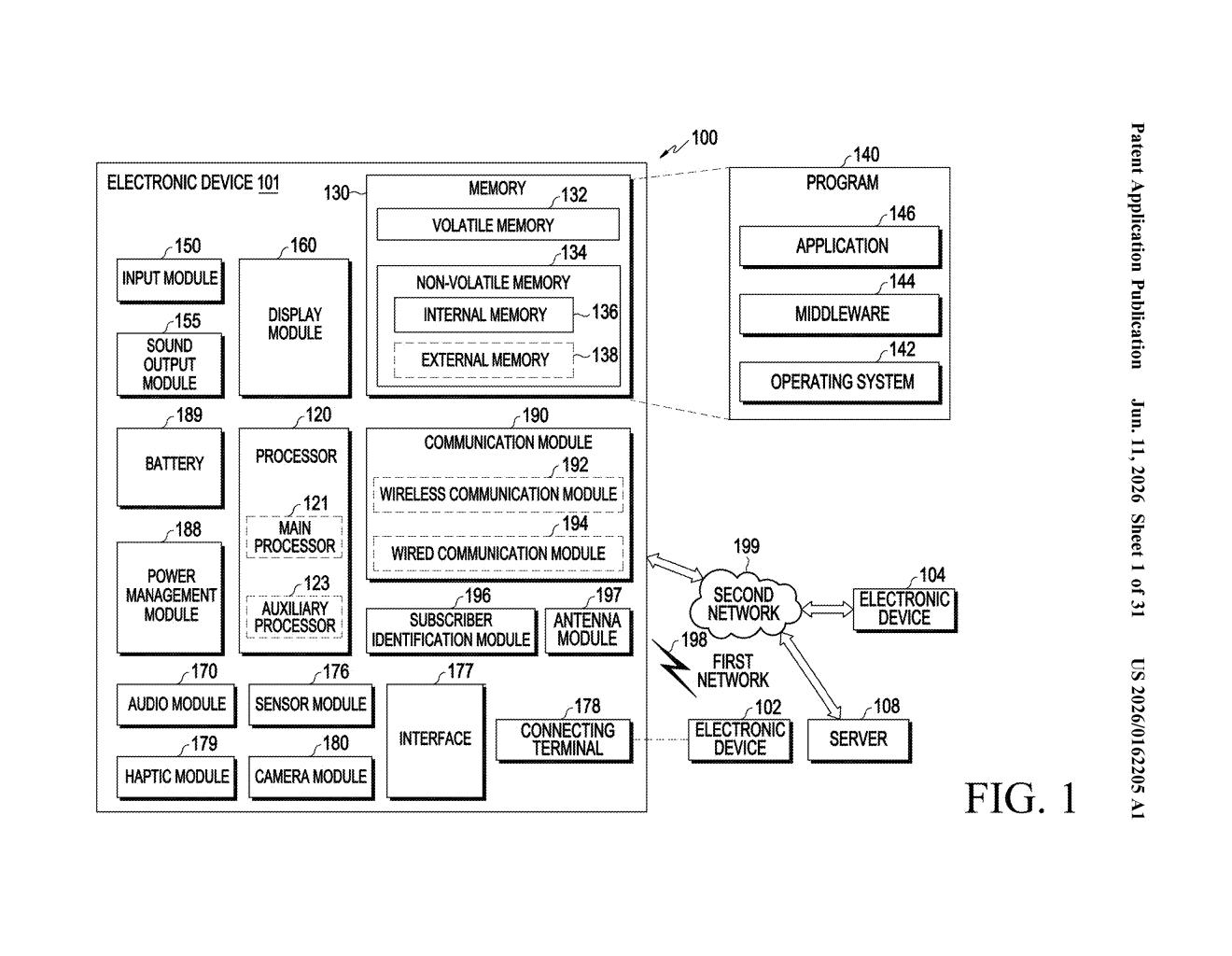
What Samsung's motion-detecting screenshot actually does
Imagine you're watching a video on your phone and you hit the screenshot button right as someone is mid-jump. Instead of freezing on a blurry, awkward frame, your phone would quietly take several snapshots across a tiny window of time — then save the best one.
That's the idea behind this Samsung patent. When you take a screenshot, the device first checks whether anything on screen is moving. If it spots a moving object, it automatically grabs multiple image frames from slightly different moments, so you have options — or so it can pick the sharpest one for you.
The result: a screenshot that looks deliberate and clean, even if your timing was off. It's a small quality-of-life fix for anyone who screenshots videos, GIFs, live photos, or animated content on a Samsung device.
How the device picks the right frame from moving content
When you trigger a screenshot, the device's processor doesn't just grab whatever's on screen at that exact millisecond. Instead, it runs a quick check: is anything moving inside the display? If the answer is no — say, you're screenshotting a static webpage — it works like a normal screenshot.
If the processor detects a moving object within the frame, the patent describes a second mode that kicks in:
- The device captures multiple image frames pulled from several different moments in time around when you pressed the button.
- From that pool of frames, it selects one or more to save — presumably the sharpest or most visually complete version of the moving subject.
- The result is stored as an image file, just like a regular screenshot, but chosen from the best available moment rather than a random one.
The patent doesn't spell out exactly how it picks the winning frame — whether by sharpness scoring, motion analysis, or something else — but the core mechanic is a short burst-capture triggered by detected motion, with intelligent selection happening before anything lands in your photo library.
What this means for Galaxy phones and everyday screenshots
For anyone who regularly screenshots video content, live wallpapers, animated stickers, or sports clips, this is a genuinely useful fix. The current screenshot experience on most phones is dumb — it grabs exactly what's there when you tap, which is often the worst possible frame of a moving subject. A system that quietly buffers a few frames and picks intelligently would make those screenshots actually usable.
For Samsung specifically, this fits neatly into the Galaxy line's ongoing push to make AI-assisted camera and imaging features a selling point. If this ships in a future Galaxy device or One UI update, it's the kind of subtle improvement that users notice immediately but rarely think to explain — they just find their screenshots look better.
This is a small but genuinely useful patent — the kind of thing that makes you wonder why it took this long. Motion-blurred screenshots are a universal frustration, and a burst-then-select solution is the obvious fix. Whether Samsung ships this as a prominent feature or quietly buries it in settings will determine how much credit they actually get for it.
There are more where this came from
We read every patent application Big Tech publishes and send you the ones worth knowing. Plain English, free, every week.
Want this weekly breakdown for a company we don't cover? Patentlyze Pro →