
Samsung's New Patent Lets a Stylus and Your Finger Share the Same Screen Layer
Samsung Display has filed a patent for a screen that can simultaneously track your finger and a magnetic stylus without needing two separate sensor systems fighting for space inside the device.
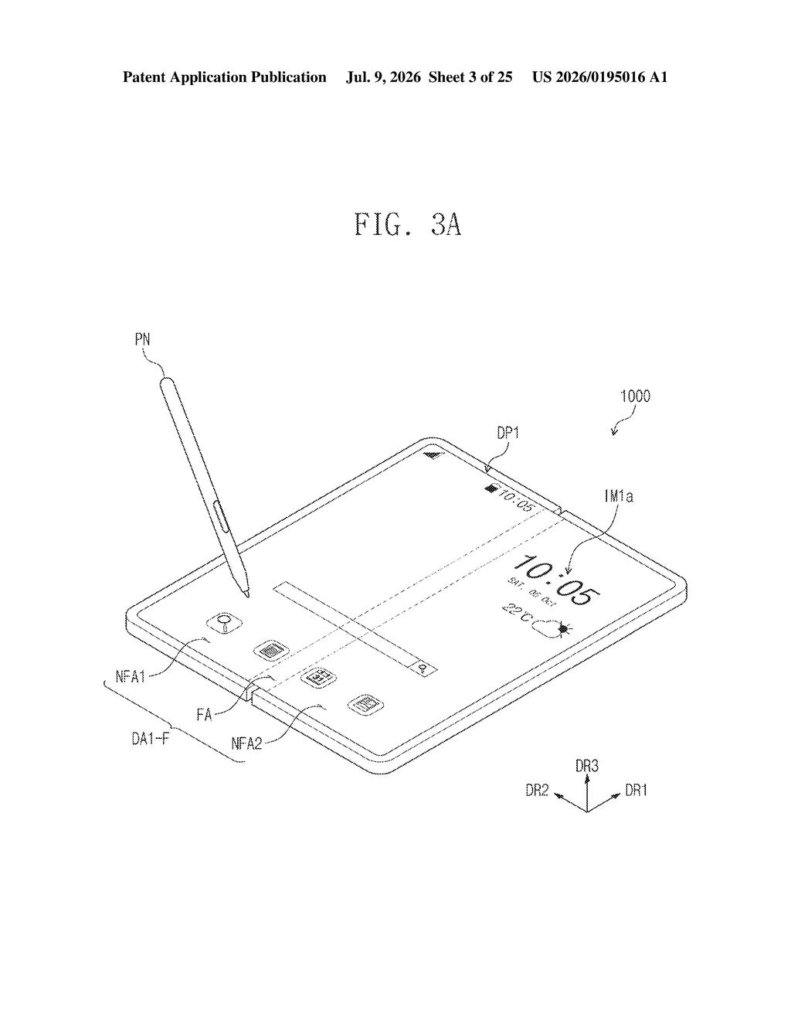
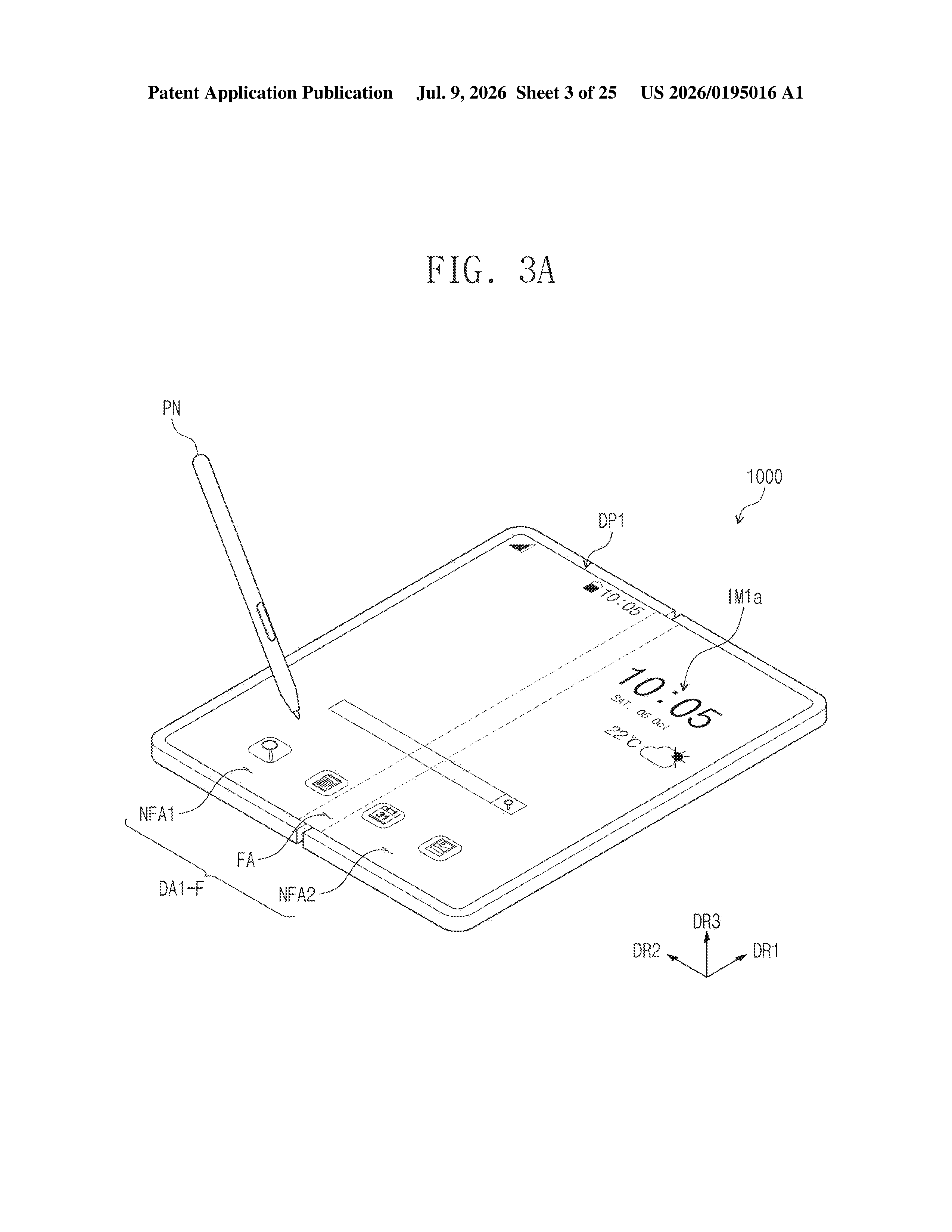
How Samsung wants one screen to do two input jobs
Picture a tablet where you can sketch with a pen in one corner while the screen still responds to your finger taps everywhere else, all without the pen and the touch layer getting confused about which input to listen to. That's the problem this patent is trying to solve.
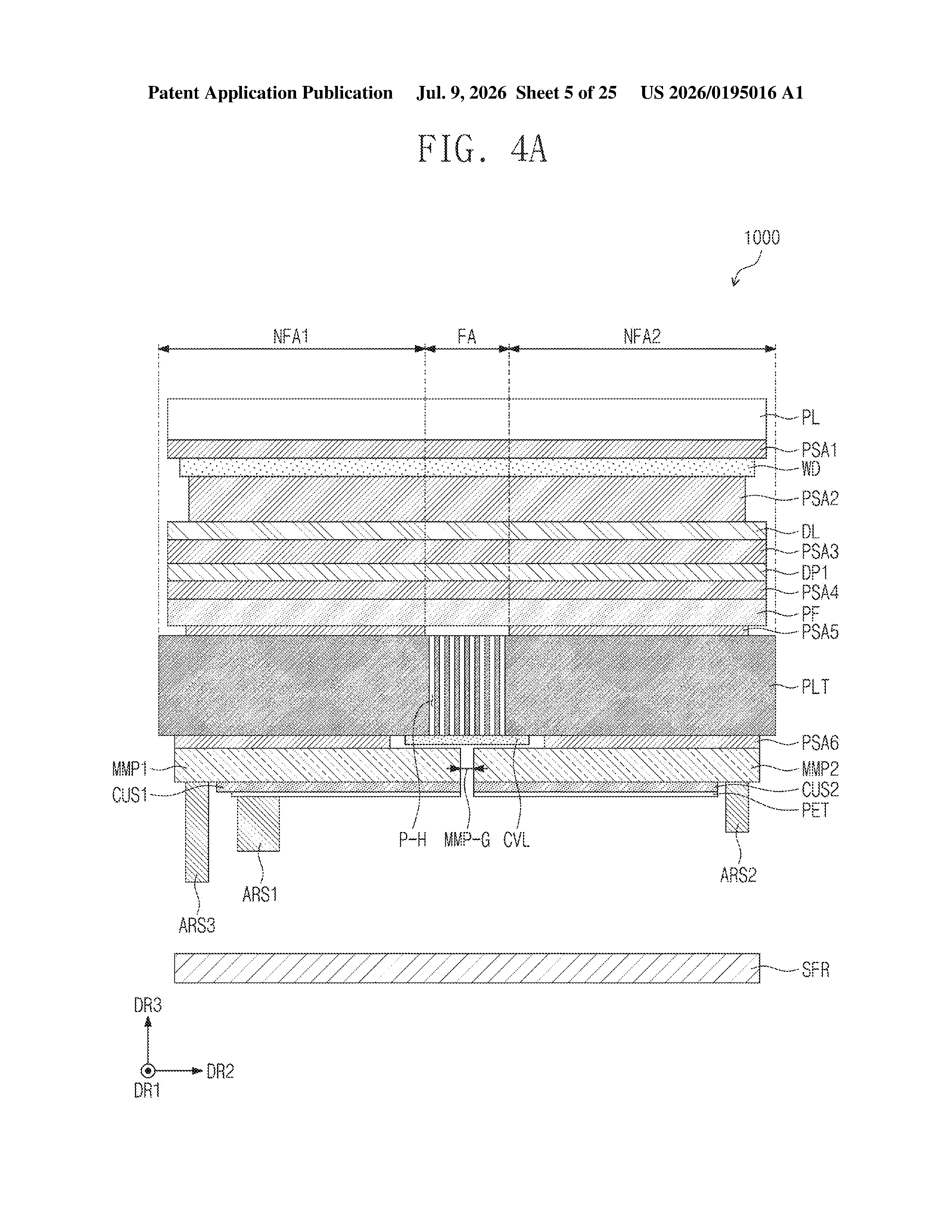
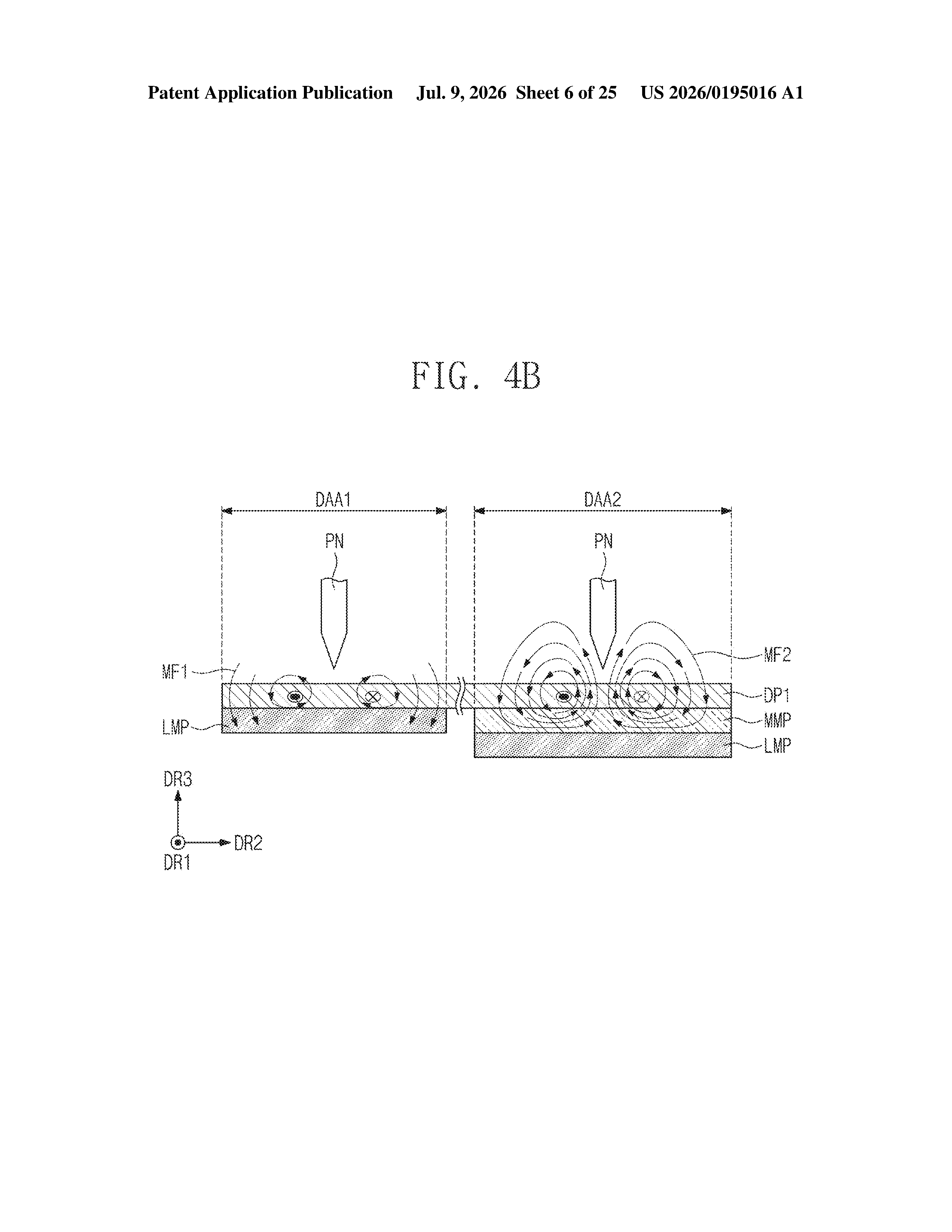
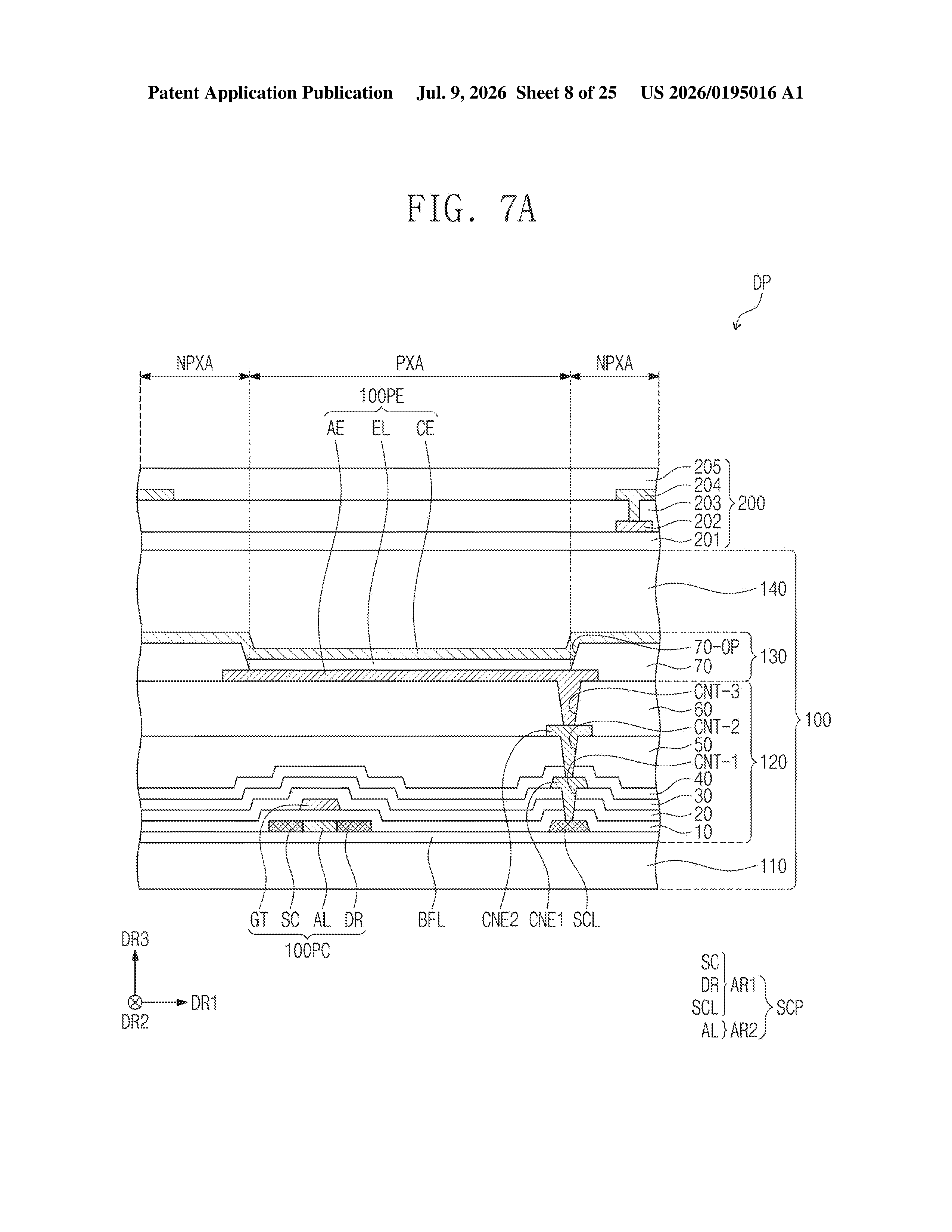
Samsung Display's design stacks several electrode layers inside the screen. Some electrodes handle ordinary finger touch, and a separate set, connected together by a single looping wire, work with a magnetic stylus. Two magnetic field layers sit beneath the display, offset from each other, so the pen's signal reaches the right detector without scrambling the touch sensors.
The result is a cleaner internal layout that could let future devices support a precise stylus alongside regular multitouch, without the thickness or signal interference that comes from bolting two separate systems together.
How the electrode layers split touch and pen detection
The patent describes a display stack with four distinct functional layers working together:
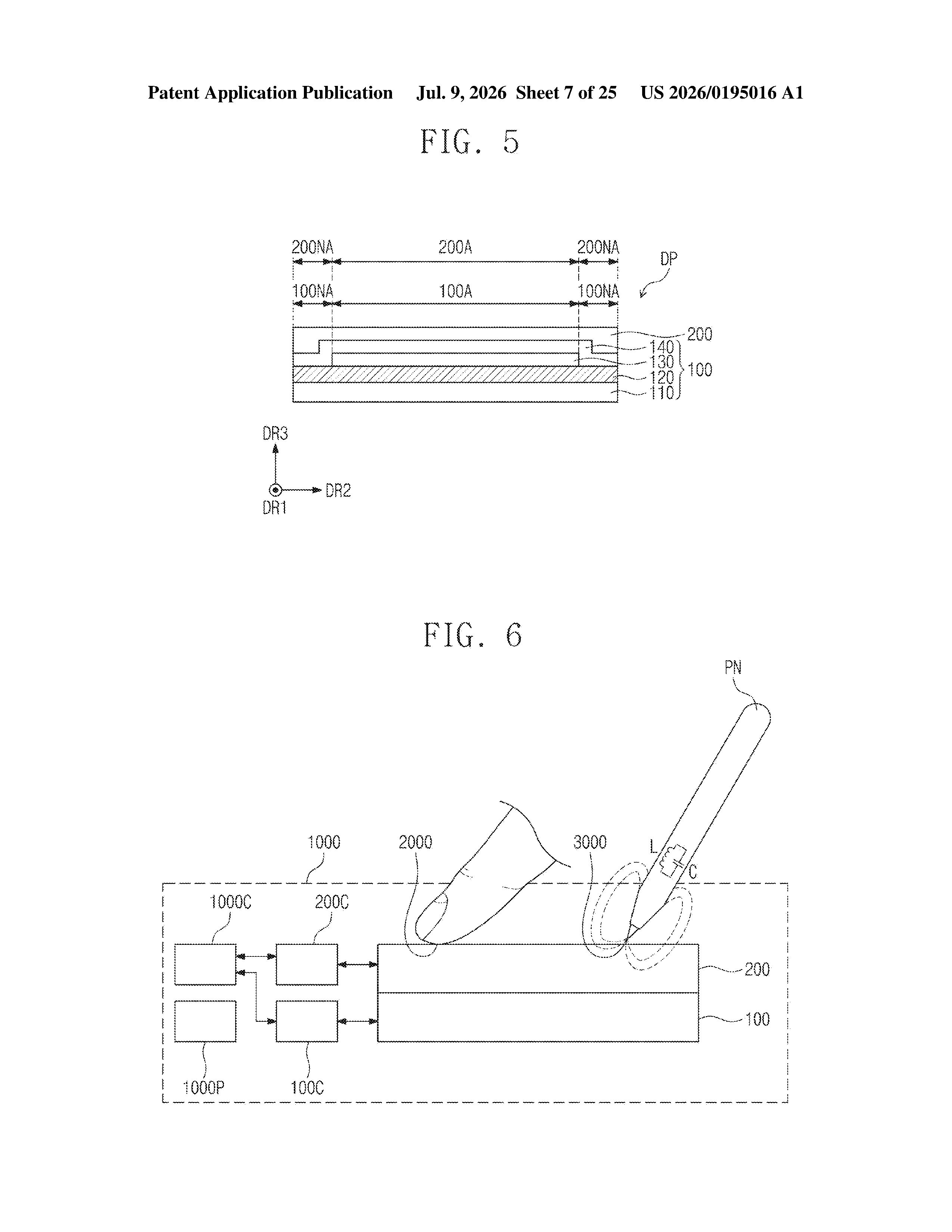
- First and second electrodes run in perpendicular directions (think a grid) and handle standard capacitive touch detection, the kind that responds to your finger.
- Third electrodes run parallel to the first set but are all wired together through a single loop trace line. This shared connection is how the device talks to an electromagnetic resonance (EMR) stylus, a pen that generates its own magnetic field rather than just blocking yours.
- Two magnetic field induction layers sit below the display panel, separated horizontally. That gap between them is intentional: it lets each layer pick up the stylus signal from a different position across the screen without the two layers interfering with each other.
By separating the stylus-detection infrastructure into two offset induction layers and giving the stylus electrodes their own dedicated loop trace, Samsung's design keeps the touch system and the pen system from stepping on each other's signals. The architecture also keeps the overall stack relatively thin because both systems share the same physical display structure rather than requiring separate panels.
What this means for future Samsung tablets and phones
For Samsung, stylus support is a flagship differentiator, especially on Galaxy Tab and Galaxy Z Fold devices that ship with or support the S Pen. If this architecture works as described, it could make the pen experience more reliable across the full display surface while keeping device thickness in check.
For you as a user, the practical payoff would be a tablet or phone where the pen doesn't cause the touch screen to glitch, and your finger doesn't confuse the stylus sensor. That kind of clean input separation is harder to achieve than it sounds, and it's something competing devices don't always get right.
This is a legitimate engineering problem with real user impact, not just a filing for the sake of it. Stylus-plus-touch interference is a genuine pain point on current devices, and Samsung Display targeting it at the panel architecture level rather than fixing it in software suggests they're serious about making future S Pen products feel more polished. Worth watching when the next Galaxy Tab generation arrives.
Get our take in your Top Stories
Liked this breakdown? Add Patentlyze as a preferred source on Google, and our plain-English take shows up more often in your Top Stories the next time Samsung patent news breaks.
There are more where this came from
We read every patent application Big Tech publishes and send you the ones worth knowing. Plain English, free, every week.
The drawings
25 drawing sheets from US 2026/0195016 A1 · click any drawing to enlarge
Want this weekly breakdown for a company we don't cover? Patentlyze Pro →