
Intel Patents a Cache-Sync System for Multi-GPU Chip Designs
When you split a GPU across multiple chips, keeping each chip's local memory in sync is a surprisingly hard problem. Intel's new patent describes a system that automates that bookkeeping.
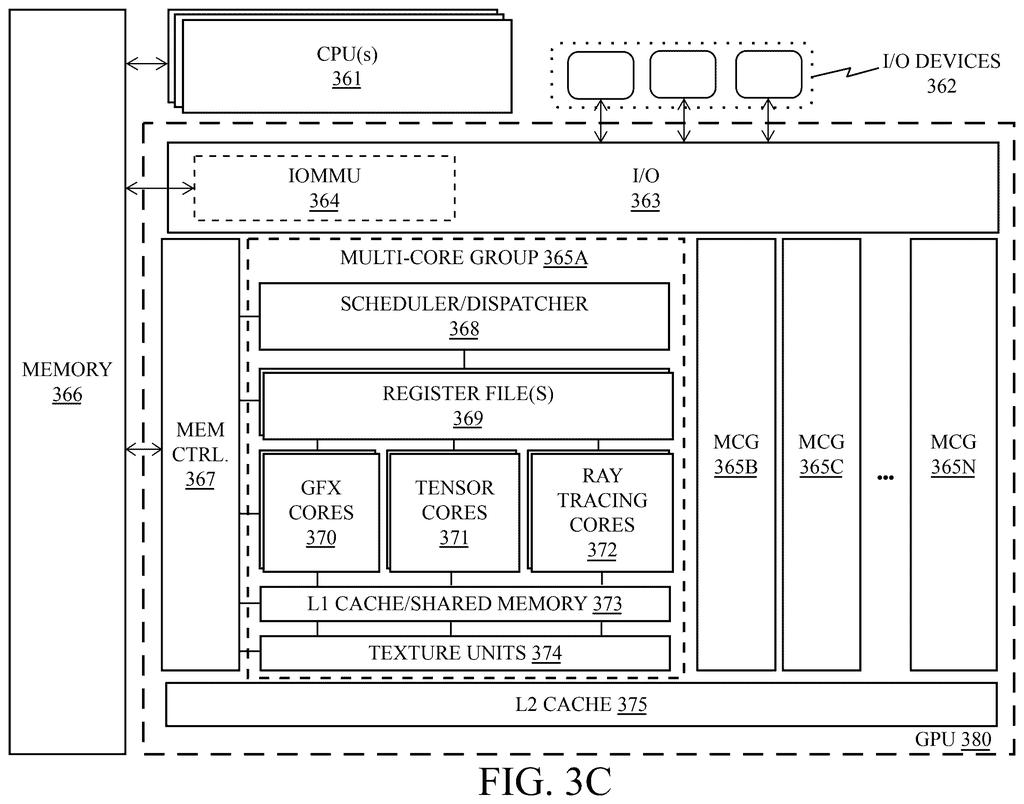
What Intel's multi-GPU memory sync actually does
Imagine a kitchen with two cooks, each with their own small prep counter. If one cook changes an ingredient on their counter, the other cook might not know about it and could use stale information. That's roughly what happens inside a modern multi-chip GPU, where each chip has its own fast local memory cache.
Intel's patent describes a system where the memory manager on each chip can look at what's stored on a neighboring chip's cache and decide whether to update it when data changes. Instead of each chip working in isolation, they stay aware of each other's stored copies.
This is the kind of low-level plumbing that doesn't make headlines but is essential for high-performance computing. Getting this coordination right means the chips spend less time waiting on each other and more time doing actual work.
How Intel's MMU decides which caches to update
The patent covers a multi-tile GPU architecture, meaning a graphics processor built from multiple separate GPU chips (called tiles) connected together. Each tile has its own memory and its own memory side cache (a fast, small buffer that stores recently used data to avoid slower trips to main memory).
The key component is the Memory Management Unit (MMU) on each tile. Normally an MMU just controls memory requests for its own chip. Intel's design extends the first tile's MMU so it can also:
- Track what data the neighboring tile's cache holds
- Decide whether a change to local data should also update the remote tile's cache
- Send that update across a communication fabric (the high-speed interconnect linking the tiles)
The decision of whether to push an update to the remote cache is the core novelty here. Sending too many updates wastes bandwidth; sending too few leaves stale data sitting around. Intel's MMU is designed to make that call automatically.
What this means for multi-chip GPU performance
Multi-chip GPU designs are increasingly common in high-performance computing and AI workloads, where a single chip can't fit enough processing power. Intel's own Ponte Vecchio and related data-center GPU lines use exactly this kind of multi-tile layout. Getting cache coherence right across tiles is one of the hardest parts of making those designs fast.
For end users, better cache synchronization translates to fewer stalls and higher throughput on tasks like AI training or large-scale graphics rendering. If Intel can handle this in hardware automatically, software developers don't have to write special code to manage it themselves, which lowers the barrier to using multi-chip GPU systems.
This is unglamorous but genuinely important infrastructure work. Cache coherence in multi-chip systems is one of those problems that, when it's handled poorly, silently kills performance. Intel filing this suggests they're continuing to invest seriously in tiled GPU architectures for data-center and AI use cases, and that's worth tracking.
There are more where this came from
We read every patent application Big Tech publishes and send you the ones worth knowing. Plain English, free, every week.
The drawings
52 drawing sheets from US 2026/0211839 A1 · click any drawing to enlarge


Want this weekly breakdown for a company we don't cover? Patentlyze Pro →