
IBM Patents a System That Turns Plain-English Questions Into Database Queries
Most company databases are locked behind a programming language almost nobody outside IT actually knows. IBM's new patent describes a system that lets anyone ask a question in plain English and get back a real database answer.
How IBM's AI translates plain questions into database code
Imagine your company's sales data lives in a giant database. You want to know which products sold best in the Midwest last quarter among customers who placed more than three orders. Getting that answer normally means asking a developer to write a formal query in a language called SQL, which looks nothing like plain English and takes time to get right.
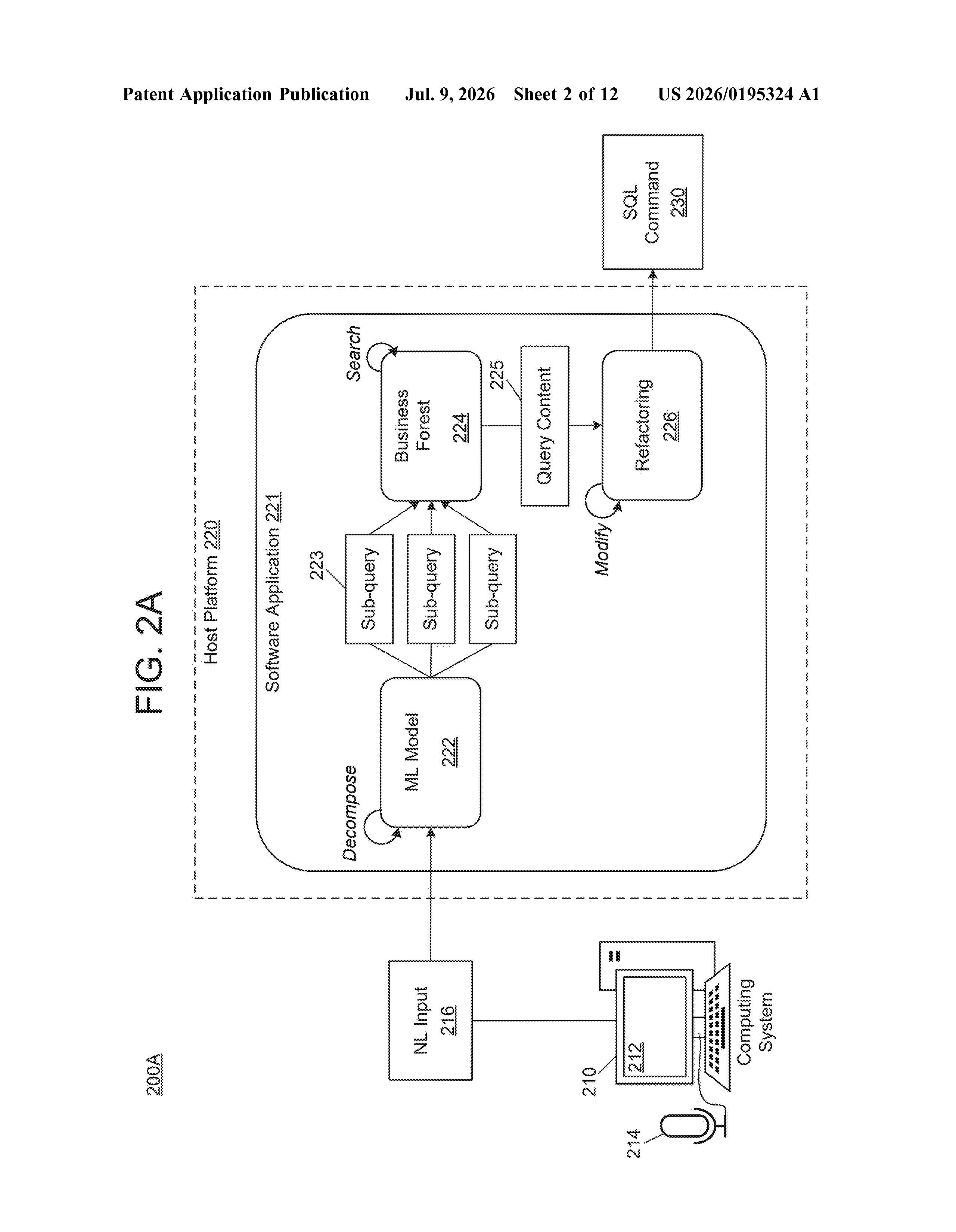
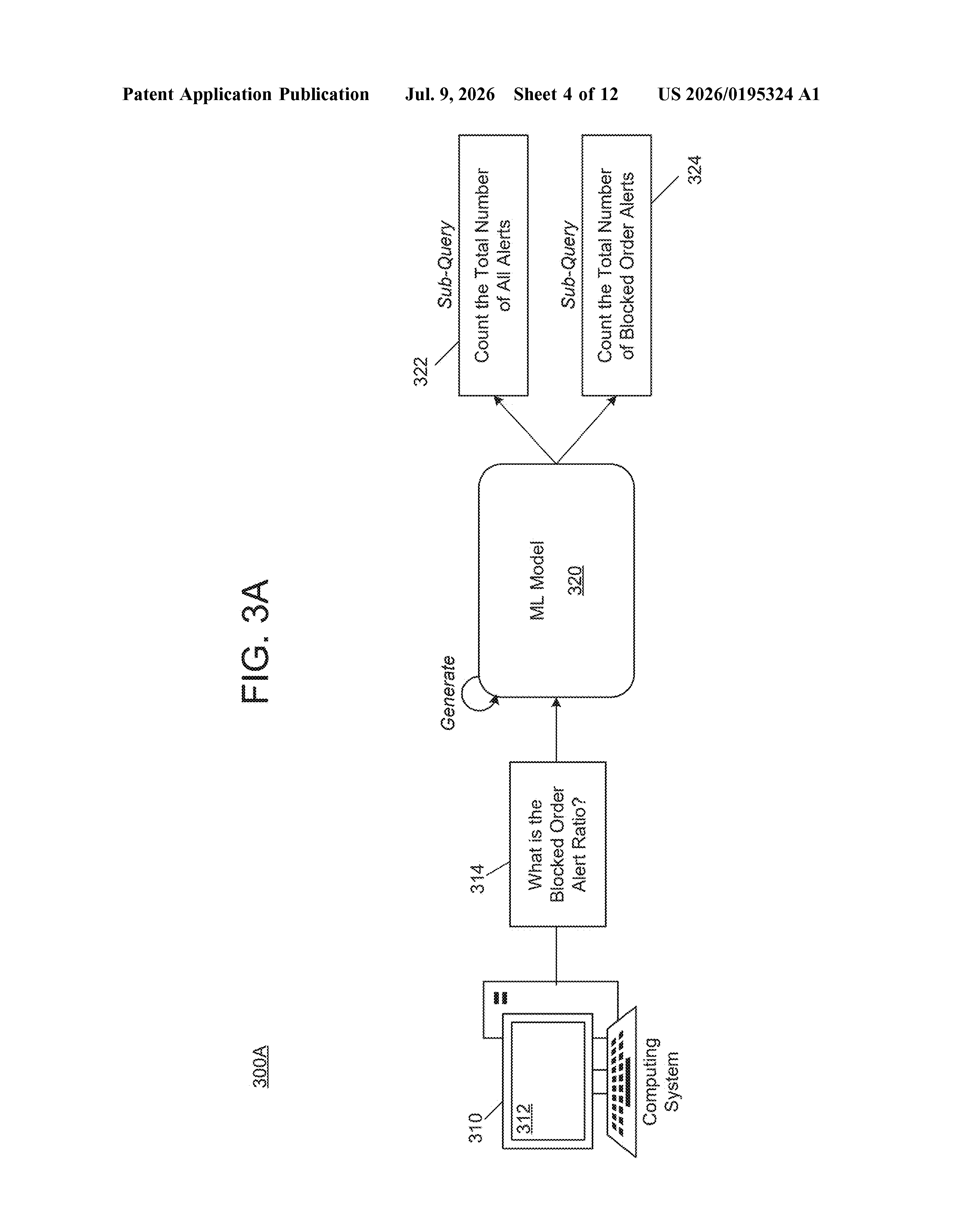
IBM's patent describes a system where you just type your question the way you'd say it out loud. An AI model breaks that question into smaller pieces, then searches through a structured map of your database to figure out exactly what data fields and relationships are needed. It uses a search technique borrowed from game AI (the same family of methods used in chess and Go engines) to find the most reliable path to the right answer.
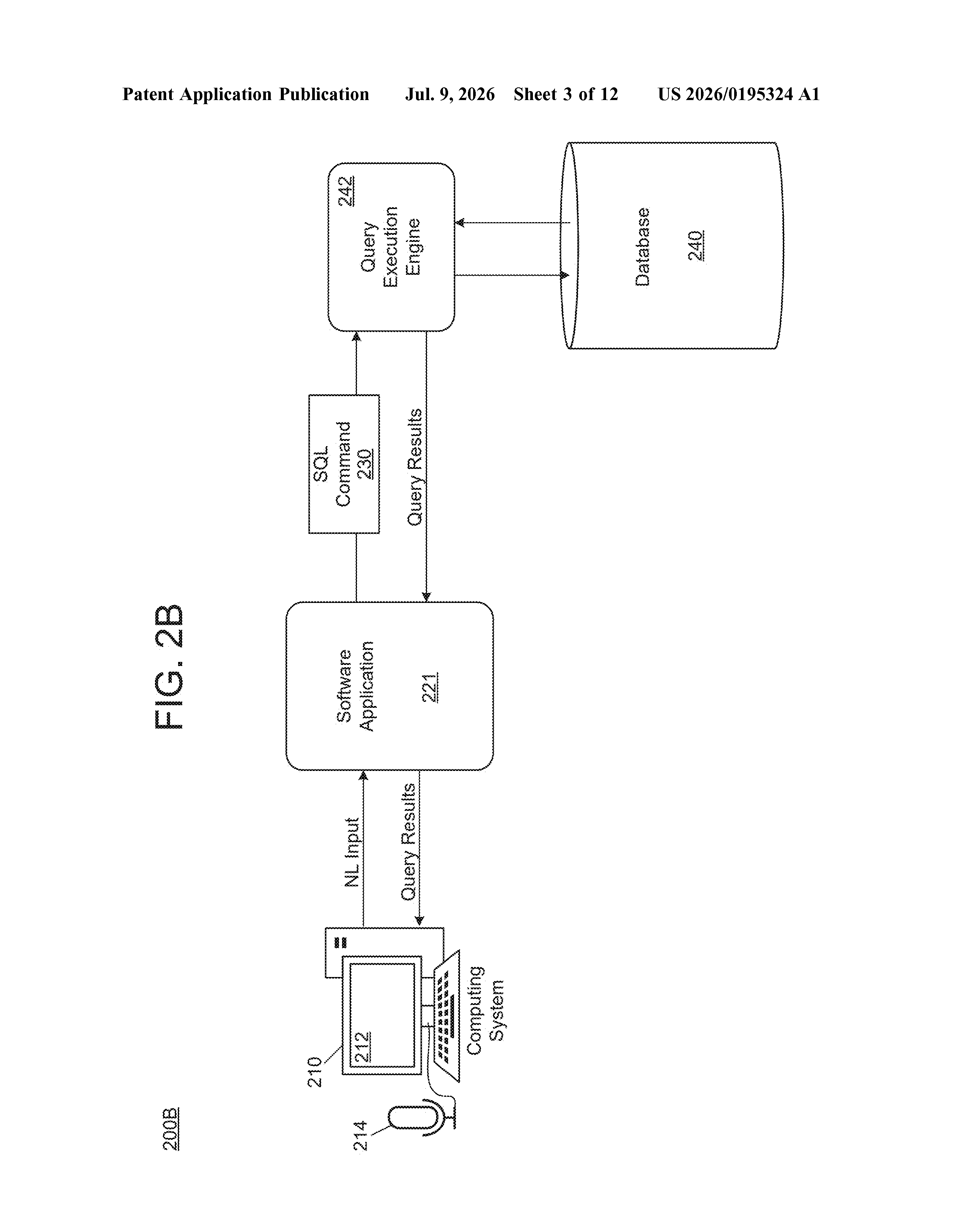
The result is a proper SQL command, generated automatically, that runs against your real database and hands you back actual results. No developer required, no waiting.
How the tree search picks the right SQL query path
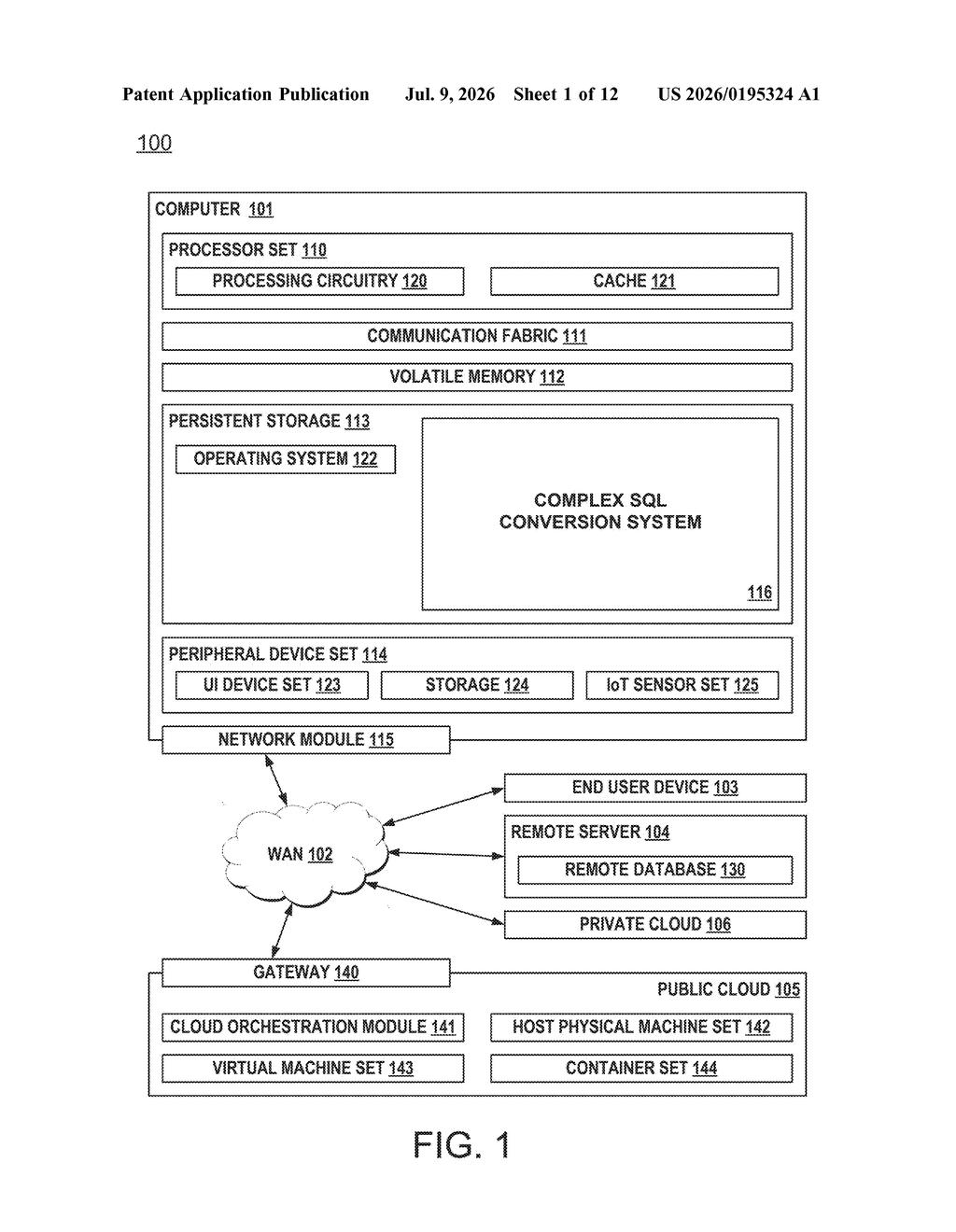
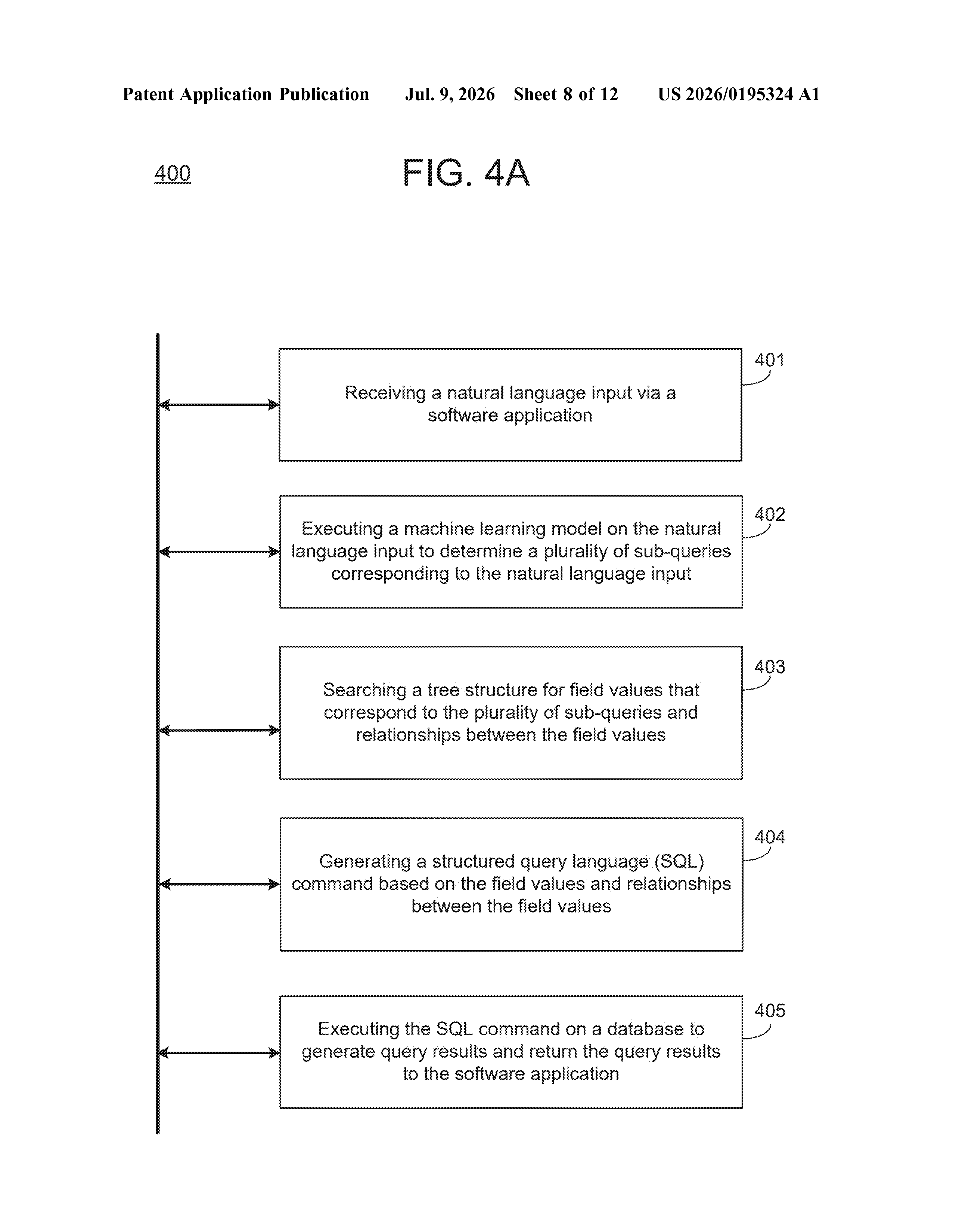
The patent covers a pipeline with four main stages:
- Breaking down the question: A machine learning model reads the natural-language input and splits it into multiple sub-queries (smaller, more specific questions the system can work with individually).
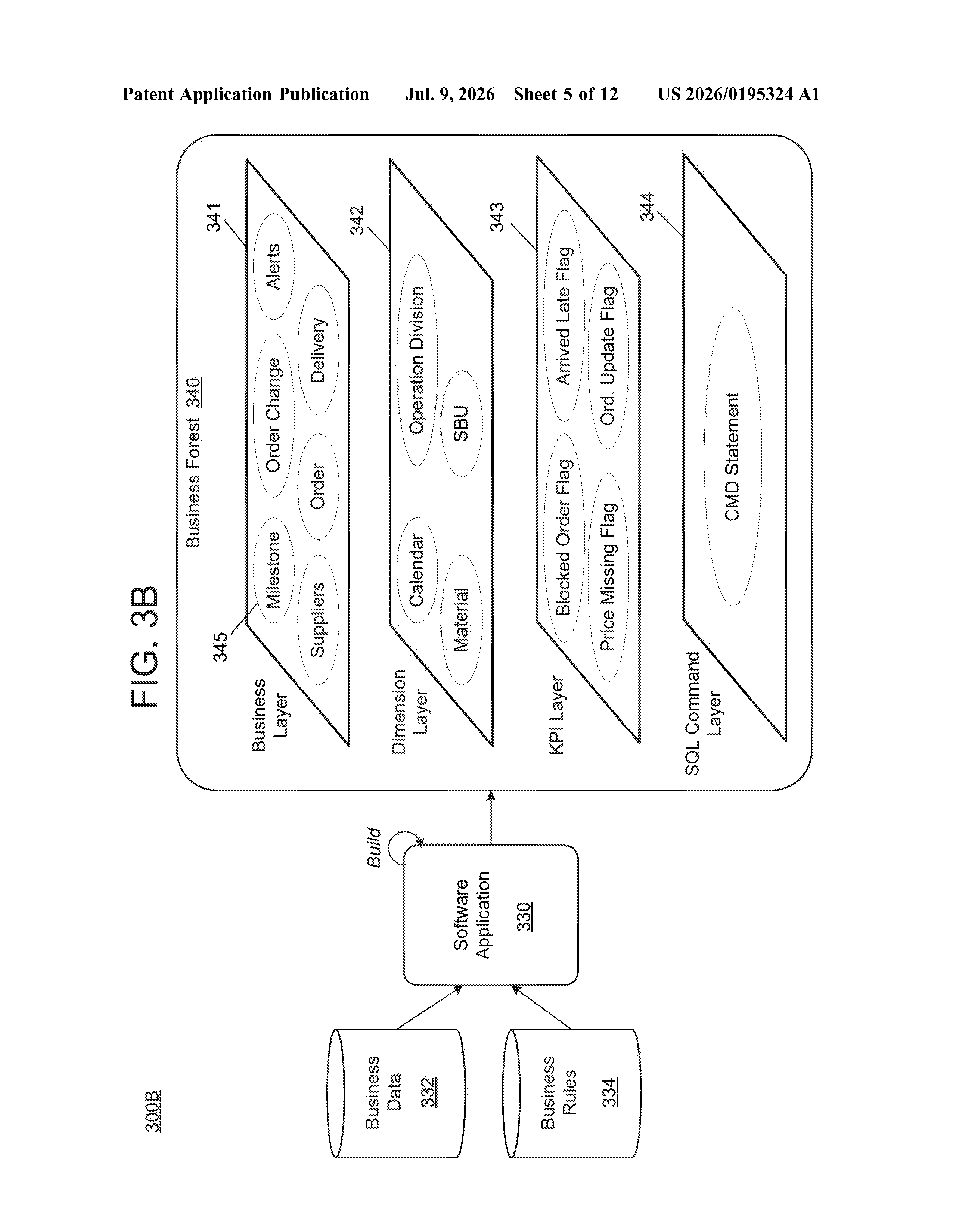
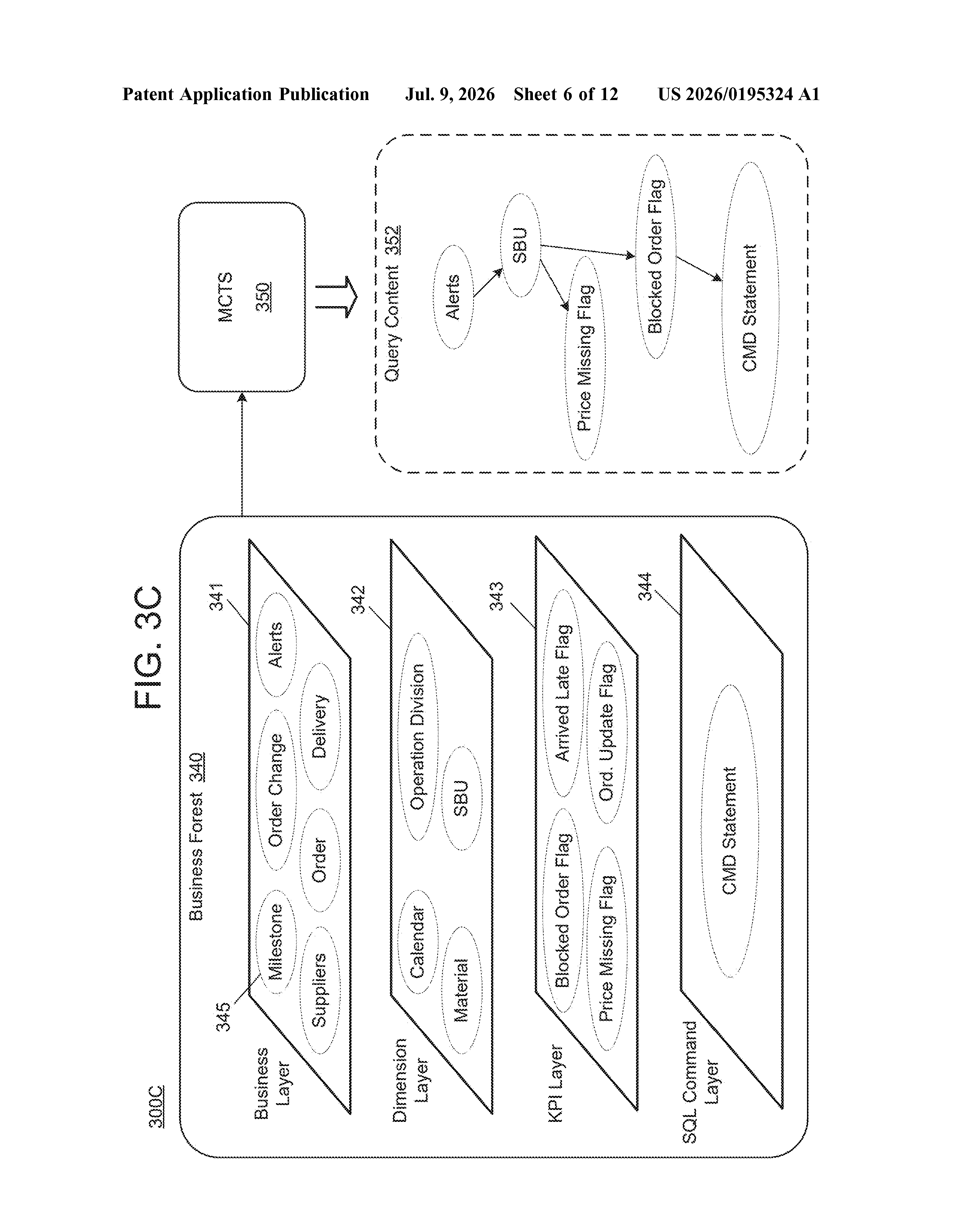
- Searching a knowledge tree: The system stores information about the database's structure as a tree, where each branch represents a data field, a relationship between fields, or a calculation. It searches this tree using Monte Carlo Tree Search (MCTS), a probabilistic technique (originally developed for board-game AI) that explores many possible paths and picks the one with the highest confidence score. Think of it as the system playing out thousands of possible "moves" to decide which database fields to use.
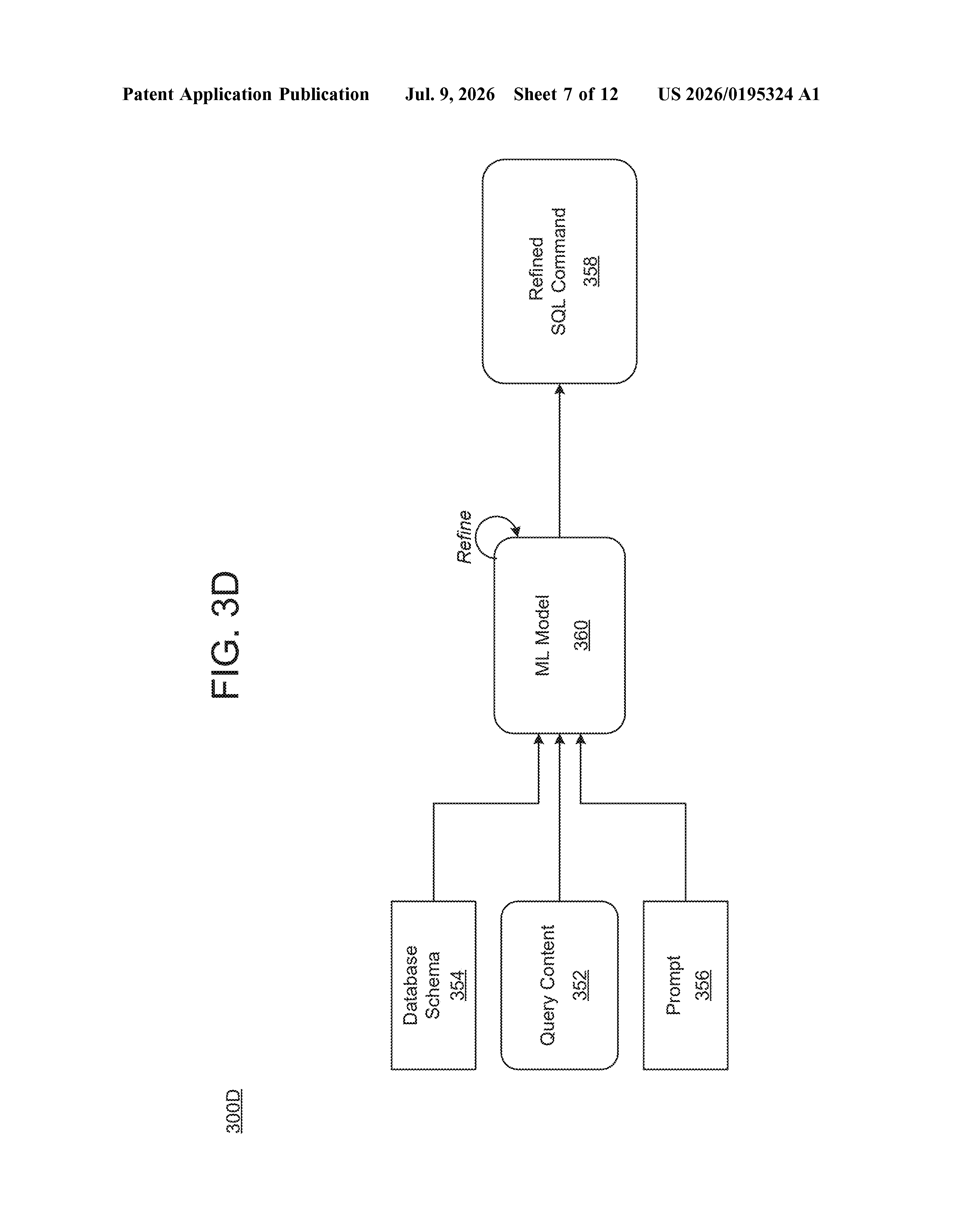
- Assembling the SQL command: Once the right fields and relationships are identified, the system stitches them together into a valid SQL query, a line of code that can actually run against a database.
- Returning results: The query runs on the database and the results come back to whatever application the user was working in.
The MCTS angle is the technical centerpiece here. Standard approaches to natural-language-to-SQL often fail on complex, multi-part questions because they try to map the whole question at once. Breaking it into sub-queries and searching a tree of options gives the system more flexibility with complicated requests.
What this means for business users who don't know SQL
SQL is one of the most widely used tools in business intelligence, but it creates a hard wall between the people who have data questions and the people who can actually retrieve answers. Systems like this one could let analysts, managers, or even customer-service reps query databases directly from whatever interface they're already using, without writing a single line of code.
IBM has a large enterprise software and data business (think Db2, Watson, and its consulting arm), so this kind of technology fits squarely into tools companies pay for to make their data more accessible. The MCTS approach also suggests IBM is targeting the harder end of the problem: vague, multi-part questions that simpler AI-to-SQL tools tend to fumble.
This is a real engineering problem IBM is trying to solve, and the Monte Carlo Tree Search angle is a genuinely interesting approach rather than a thin wrapper around a language model. That said, the natural-language-to-SQL space is crowded, and whether IBM's tree-search framing gives it a durable edge over competitors is far from settled.
Get our take in your Top Stories
Liked this breakdown? Add Patentlyze as a preferred source on Google, and our plain-English take shows up more often in your Top Stories the next time IBM patent news breaks.
There are more where this came from
We read every patent application Big Tech publishes and send you the ones worth knowing. Plain English, free, every week.
The drawings
12 drawing sheets from US 2026/0195324 A1 · click any drawing to enlarge
Want this weekly breakdown for a company we don't cover? Patentlyze Pro →