
Nvidia Patents a System That Writes Its Own Product-Testing Code Using AI
Writing the code that checks whether a product meets its specs is tedious, error-prone, and expensive. Nvidia wants an AI to do it automatically.
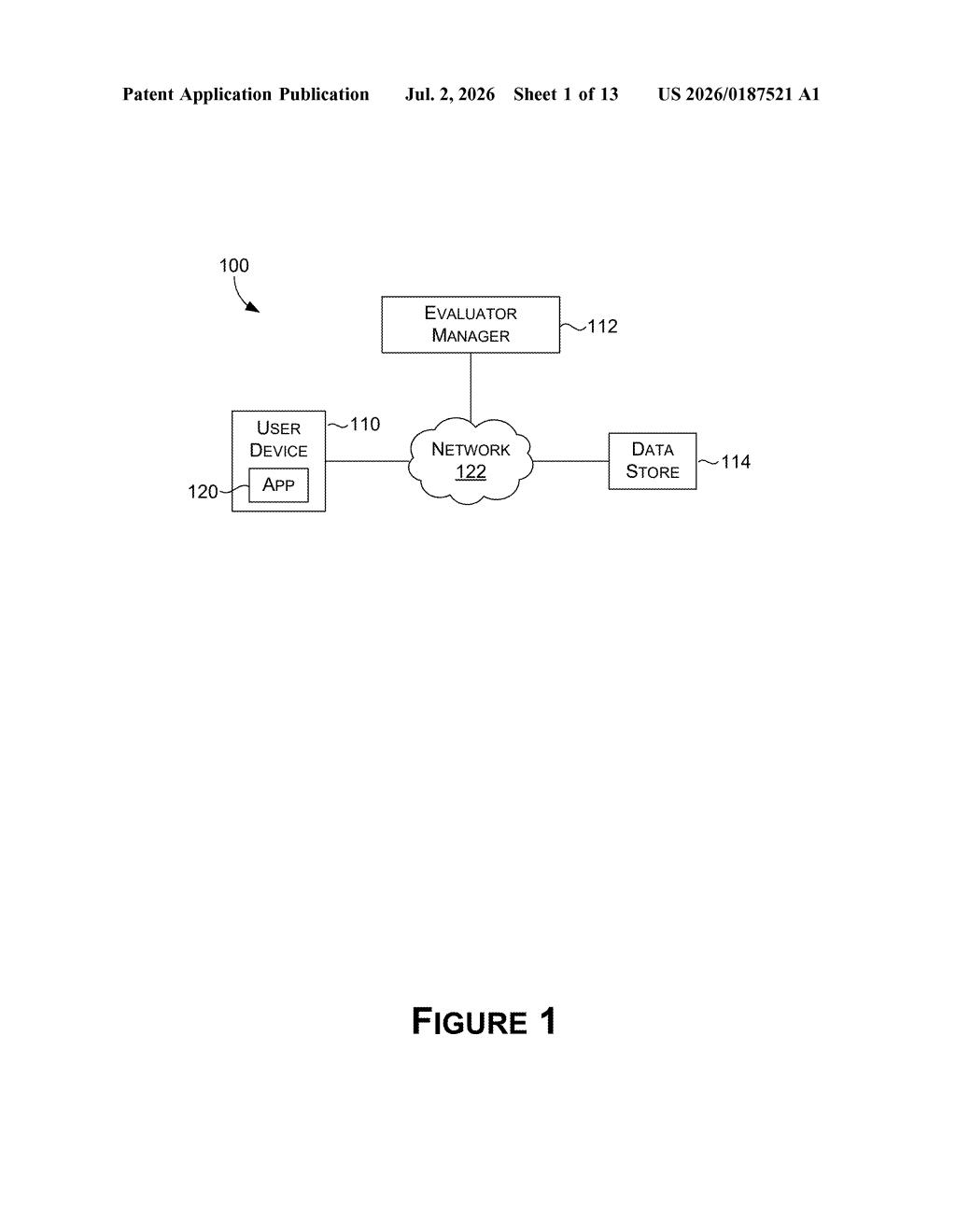
What Nvidia's AI-written test logic actually does
Imagine you're building a self-driving car chip and you have a long list of rules it must follow: 'never accelerate above X when sensor Y is faulty,' and so on. Before shipping, an engineer has to write a separate program just to test those rules. That testing code has to be written by hand, checked, debugged, and maintained. It's a huge amount of work.
Nvidia's patent describes a system that takes a plain written requirement, converts it into a precise mathematical formula, and then uses a machine learning model to automatically generate the executable test code. In other words, the AI writes the checker, not the engineer.
The patent is aimed squarely at complex products like chips and AI systems where the number of requirements to verify can run into the thousands. Automating the test-writing step could cut verification time significantly and reduce the chance that a poorly written test lets a real bug slip through.
How the system turns requirements into executable test code
The system works in two main steps. First, a written requirement is translated into a temporal logic formula (a type of math used to describe rules that involve sequences of events over time, for example 'if condition A happens, then condition B must happen within three steps'). This gives the system a precise, unambiguous version of the requirement to work with.
Second, one or more machine learning models take that formula and generate evaluator logic: actual executable code that can be run against a product or system to check whether it passes or fails the requirement.
- The input is a human-readable requirement statement
- A temporal logic translation turns it into a formal mathematical expression
- An ML model converts that expression into runnable test code
- That code is then deployed to evaluate whether a product meets the spec
The patent doesn't tie itself to a single product domain. The language covers chips, software systems, and 'other technology,' which suggests Nvidia sees this as a general-purpose verification pipeline, not a one-off tool.
What this means for hardware and software verification
Verification is one of the most labor-intensive parts of building complex hardware and software. For Nvidia, whose chips must pass thousands of safety and performance requirements before shipping, automating the test-writing step could shorten design cycles meaningfully. It also reduces the risk of human error in the tests themselves, a significant problem since a badly written test can give false confidence that a product is safe when it isn't.
More broadly, this kind of AI-assisted verification is increasingly important in safety-critical domains like autonomous vehicles and industrial AI systems, areas where Nvidia is aggressively expanding. If the approach works well, the bottleneck in product certification shifts from writing tests to writing requirements, which is a much more tractable problem.
This is a practical, infrastructure-level patent that targets a real pain point in Nvidia's engineering process. It won't show up as a consumer-facing feature, but if it works as described, it could accelerate Nvidia's chip certification timelines. Worth noting for anyone watching how AI is being applied to engineering workflows inside the big chip companies.
Get our take in your Top Stories
Liked this breakdown? Add Patentlyze as a preferred source on Google, and our plain-English take shows up more often in your Top Stories the next time Nvidia patent news breaks.
There are more where this came from
We read every patent application Big Tech publishes and send you the ones worth knowing. Plain English, free, every week.
Want this weekly breakdown for a company we don't cover? Patentlyze Pro →