
Nvidia Patent: AI Selects Chip Interconnect Speed to Reduce Power Consumption
The cable connecting your GPU to your CPU burns power even when your computer isn't doing much. Nvidia wants a neural network to watch what's happening and automatically slow that connection down when full speed isn't needed.
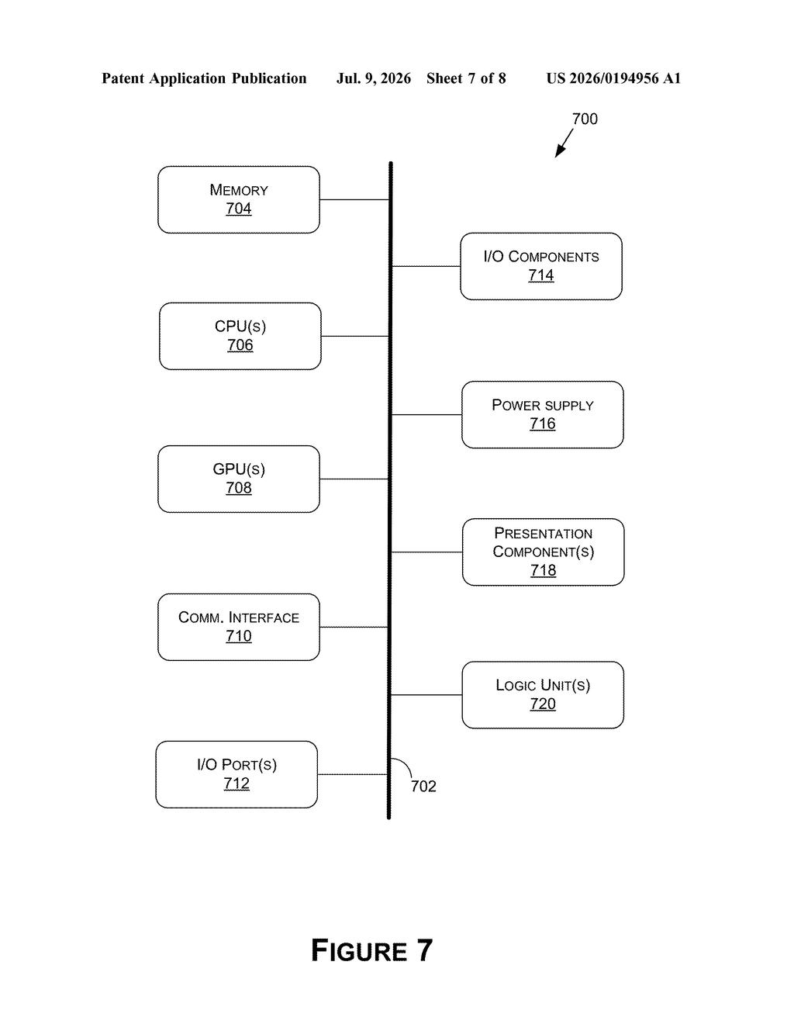
How Nvidia's adaptive GPU-CPU link speed actually saves power
Picture a highway with eight lanes. If only a few cars are on the road, running all eight lanes at full speed still costs money in lighting, staff, and upkeep. A smarter system would close some lanes during quiet hours and reopen them when traffic picks up.
Nvidia's patent applies the same idea to the high-speed data link between a GPU (the chip that handles graphics and AI math) and a CPU (the chip that handles general tasks). That link runs at a fixed high speed by default, burning power even when your system is mostly idle. The patent describes a neural network that watches what both chips are doing in real time and picks the right speed for that moment.
If you're barely doing anything, the link slows down and saves power. When a big task arrives, it ramps back up. You wouldn't notice the difference in what your computer does, but the system would use less energy over time.
How the neural network reads workload signals and picks a link speed
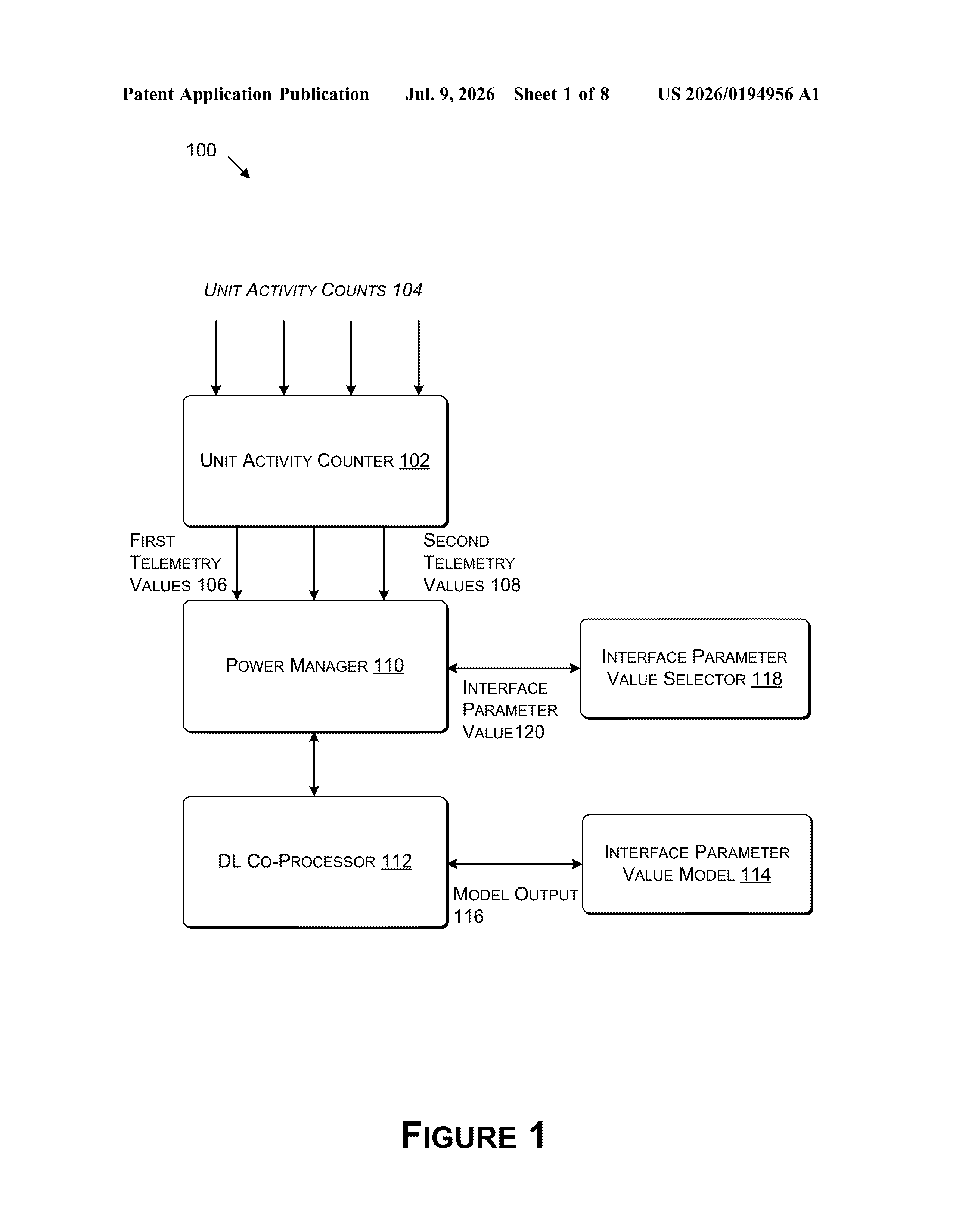
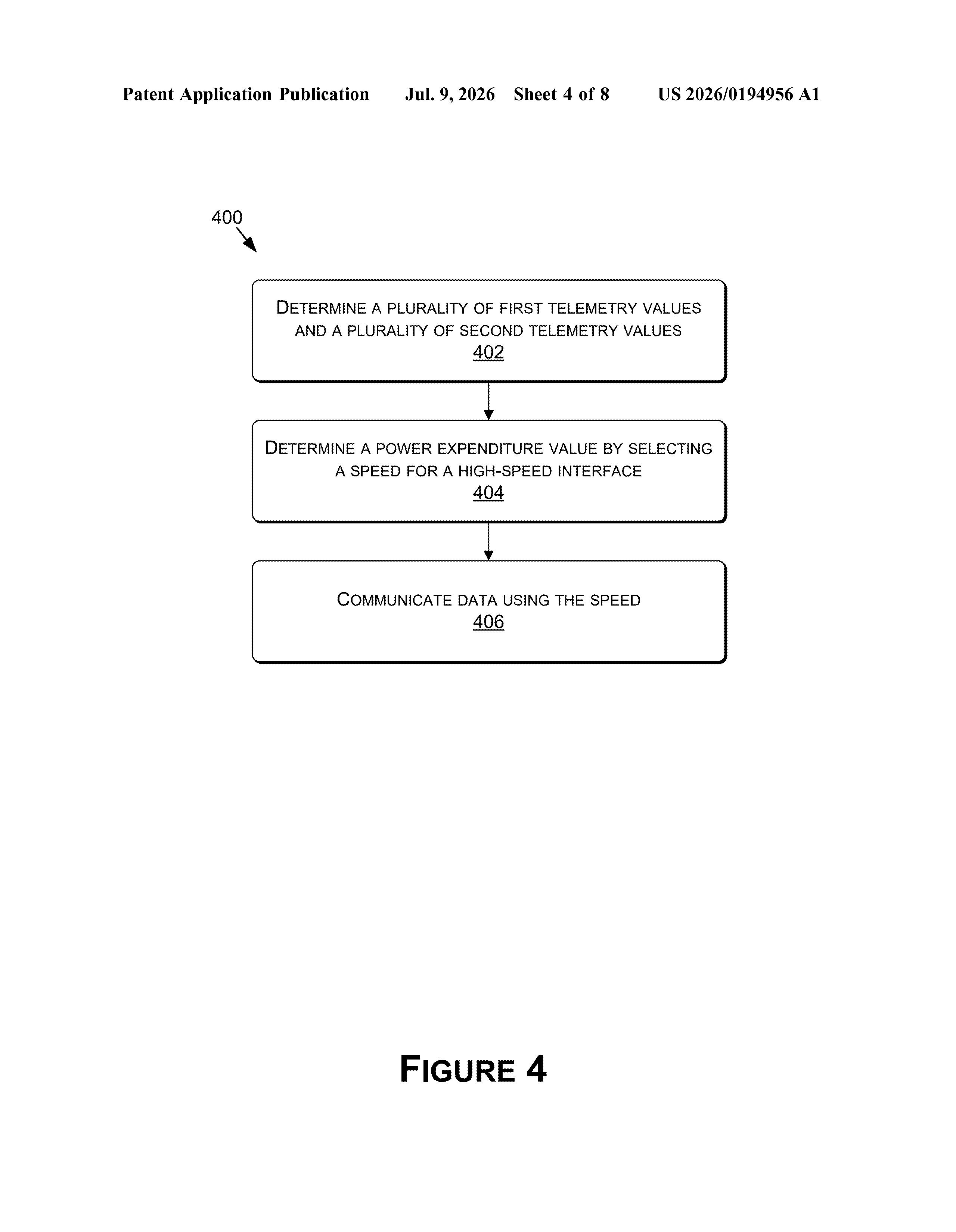
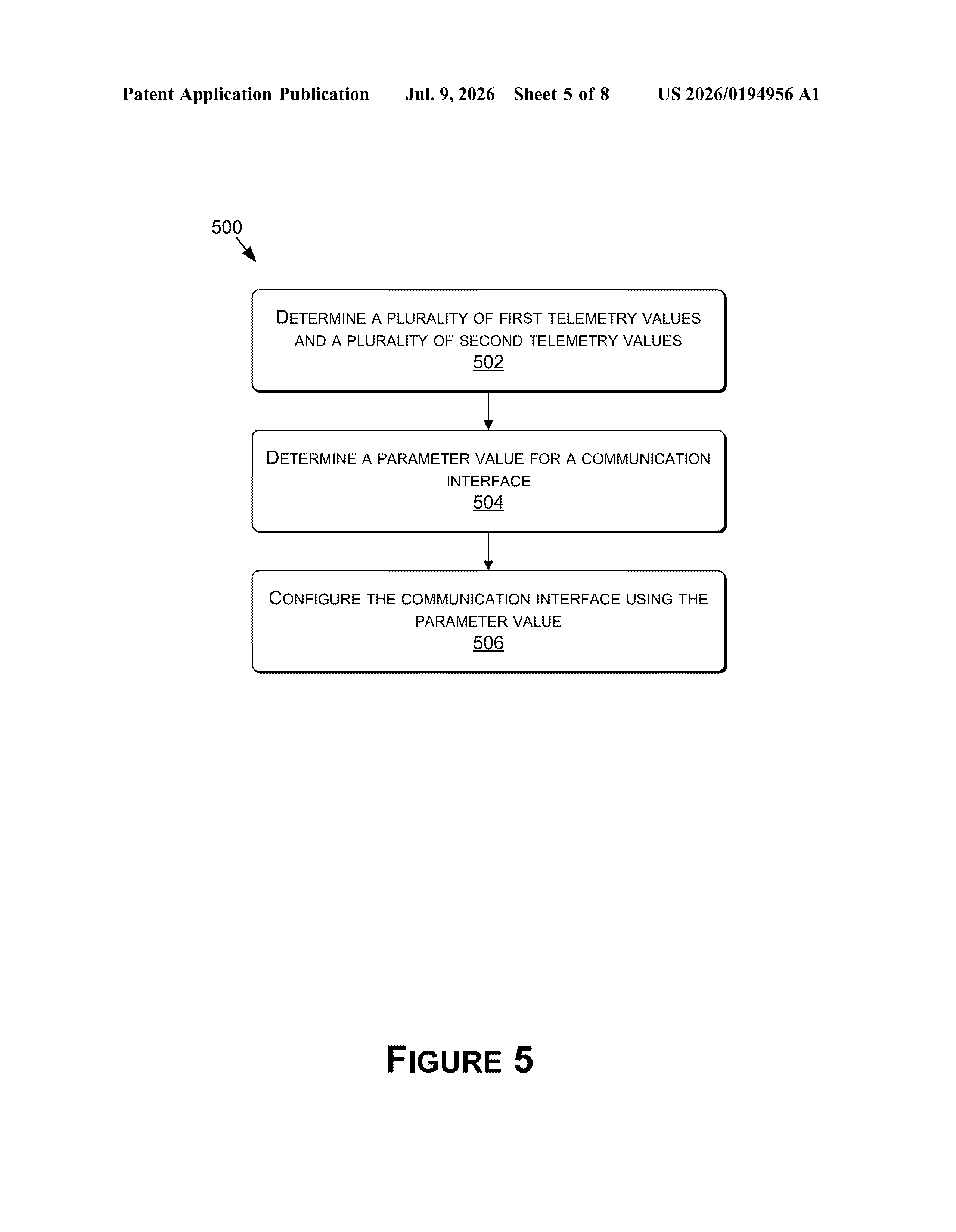
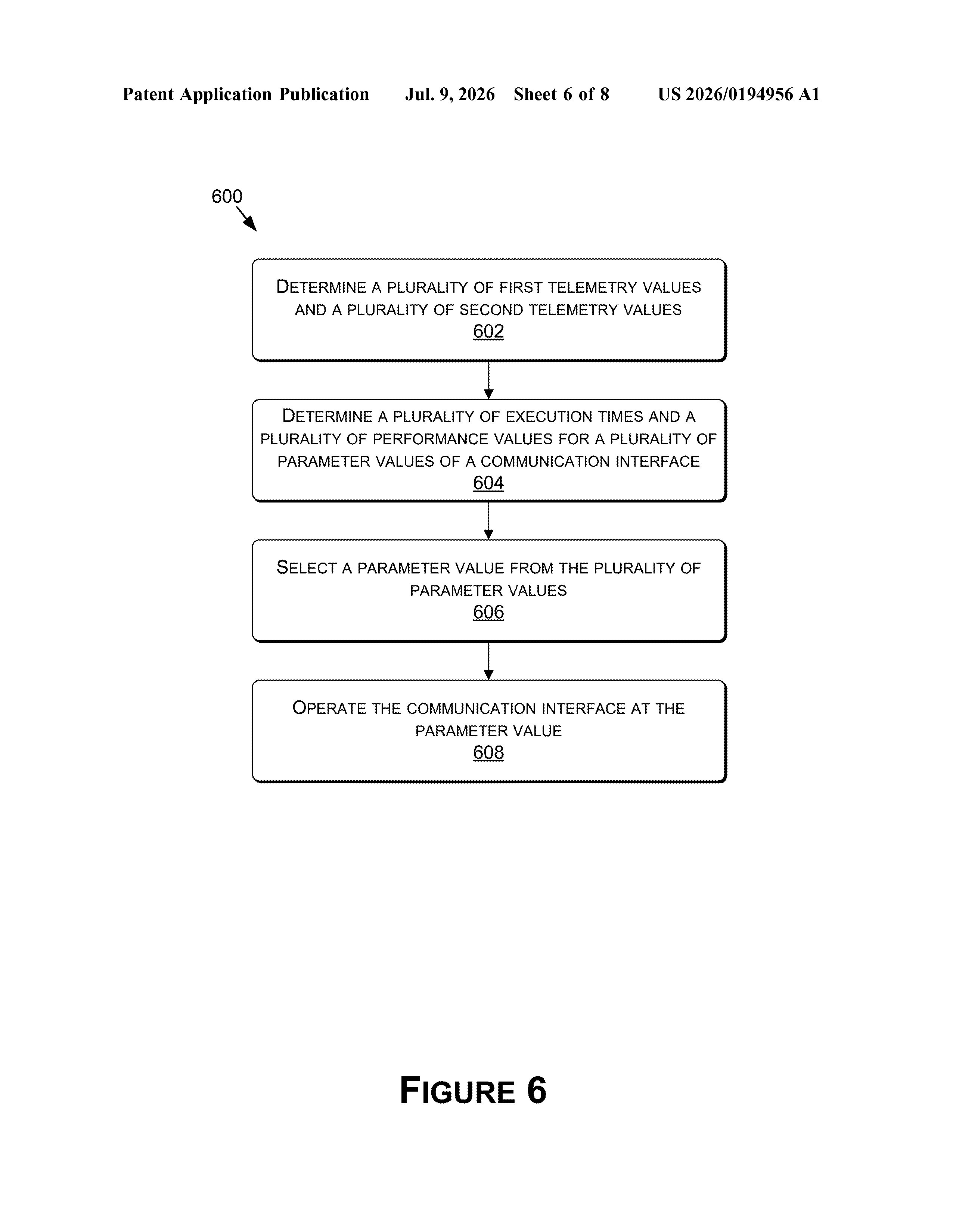
The system continuously collects telemetry values (live performance readings, like how busy each chip is, how hot it's running, and how much data it's moving) from both the GPU and the CPU.
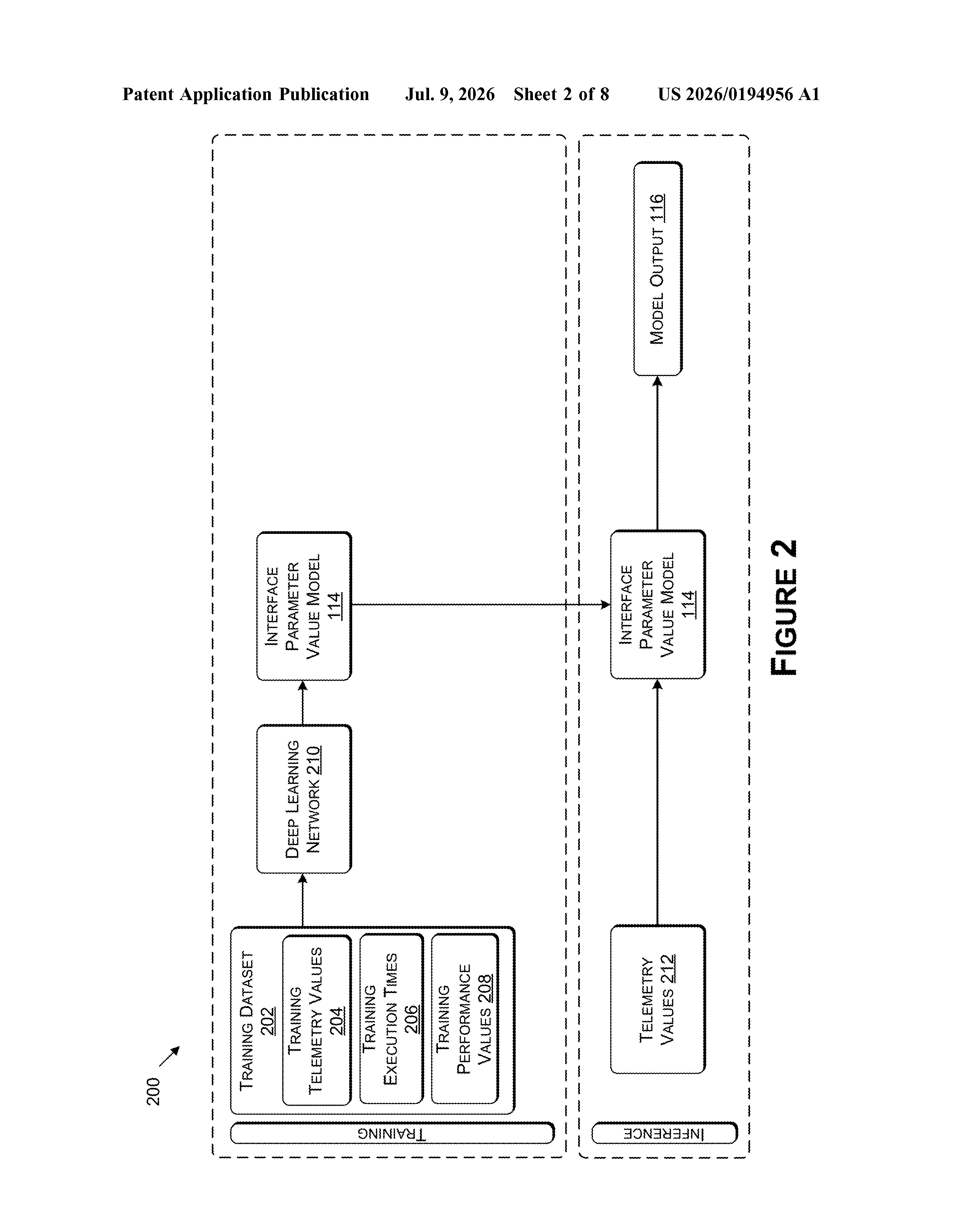
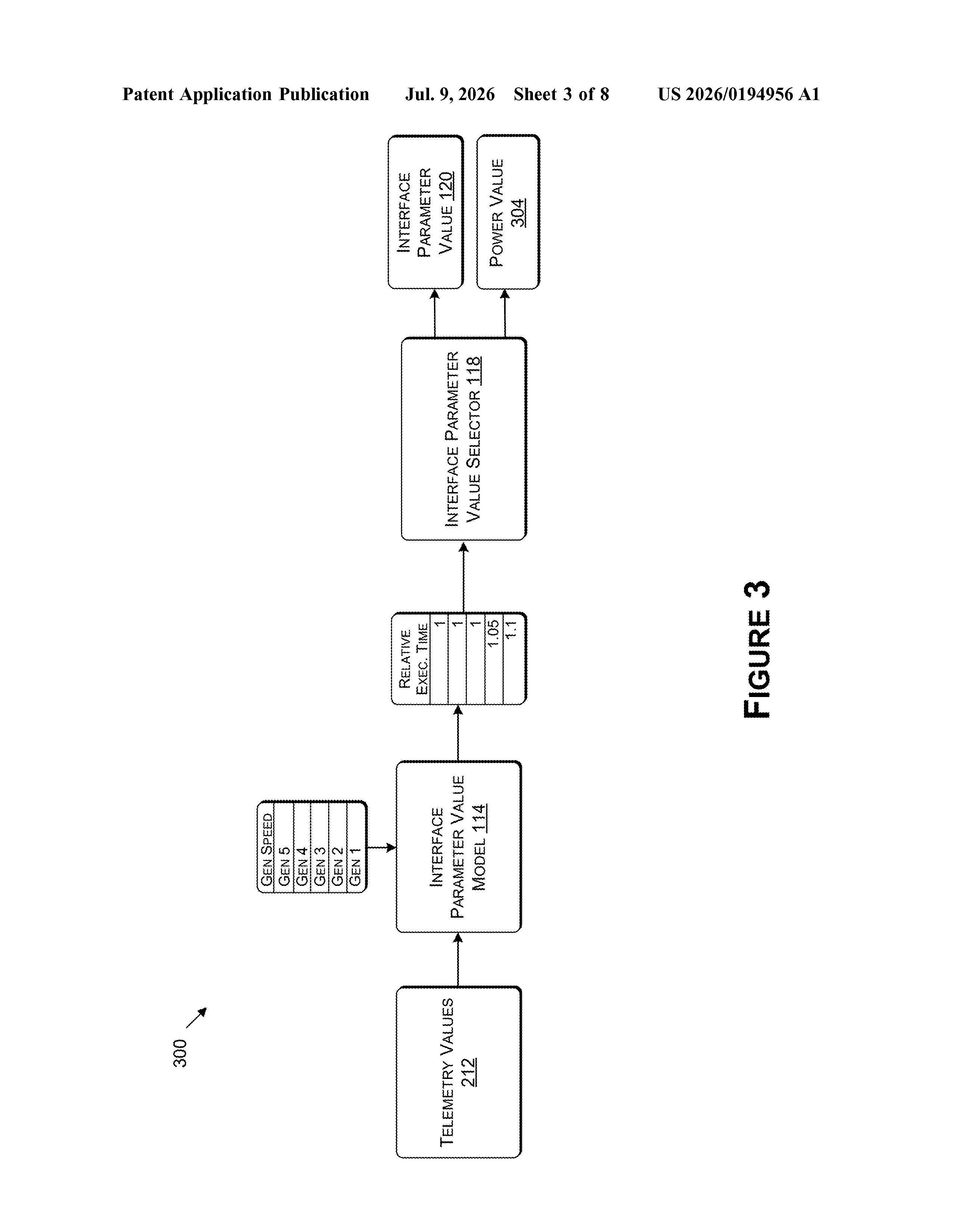
A neural network (a type of AI model trained to spot patterns) takes those readings as inputs and outputs a recommended speed for the high-speed interface. In practice this interface is something like PCIe or NVLink, the physical data pathway that connects a GPU to the rest of a computer. Running that pathway at maximum speed at all times costs real power.
The key steps look roughly like this:
- Read live workload data from the GPU and CPU simultaneously
- Feed those readings into the neural network
- The network selects a speed tier for the interconnect that balances performance against power draw
- The interface communicates data at that chosen speed until conditions change
Because the neural network is doing the decision-making, the system can respond to subtle patterns that a simple rule-based approach would miss, like a workload that pauses in bursts or a GPU that's thermally constrained even while handling light traffic.
What this means for AI servers and power-hungry GPU systems
AI training and inference rigs pack dozens of GPUs into a single server. Every watt saved on interconnect overhead is a watt that can go toward compute, or just a watt that doesn't have to be cooled. At data-center scale, that adds up to real money and real carbon.
For consumer PCs and laptops, the same logic applies differently: a GPU that's idling while you browse the web shouldn't be dragging power through a high-speed link running at full tilt. If Nvidia builds this into future drivers or firmware, your laptop's battery life could improve without any change to what the hardware can do at full load.
This is unglamorous but genuinely useful work. Power efficiency on GPU-CPU interconnects is a real cost at data-center scale, and using a neural network rather than static rules gives the system room to improve as workloads get weirder. It's the kind of patent that ships as a firmware update and saves operators millions without anyone writing a press release about it.
Get our take in your Top Stories
Liked this breakdown? Add Patentlyze as a preferred source on Google, and our plain-English take shows up more often in your Top Stories the next time Nvidia patent news breaks.
There are more where this came from
We read every patent application Big Tech publishes and send you the ones worth knowing. Plain English, free, every week.
The drawings
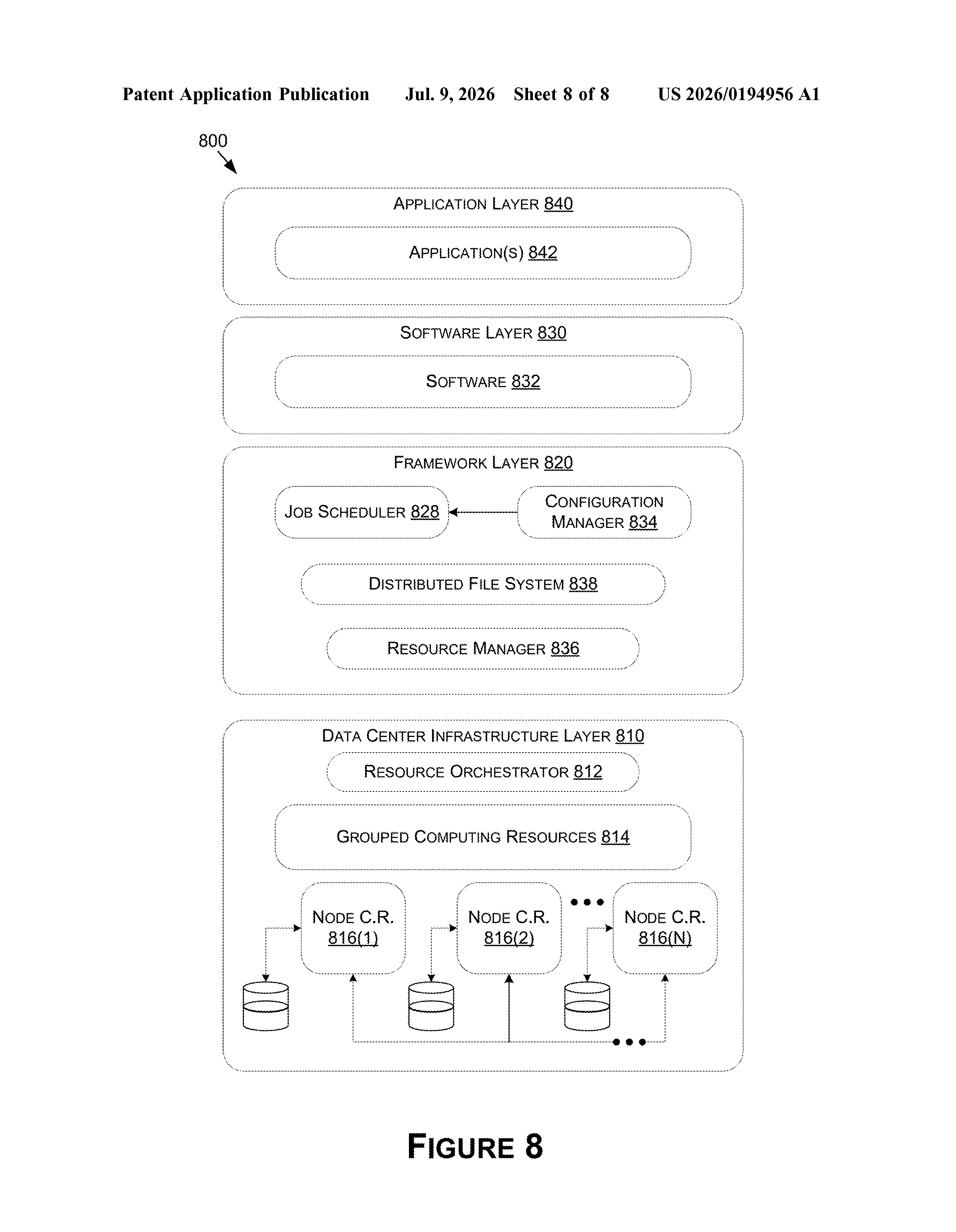
8 drawing sheets from US 2026/0194956 A1 · click any drawing to enlarge
Want this weekly breakdown for a company we don't cover? Patentlyze Pro →