
Nvidia Patents a Way to Stop AI Characters From Glitching Mid-Conversation
If you've ever chatted with an AI avatar and watched it stutter or snap awkwardly when it starts responding, Nvidia has filed a patent aimed squarely at that problem.
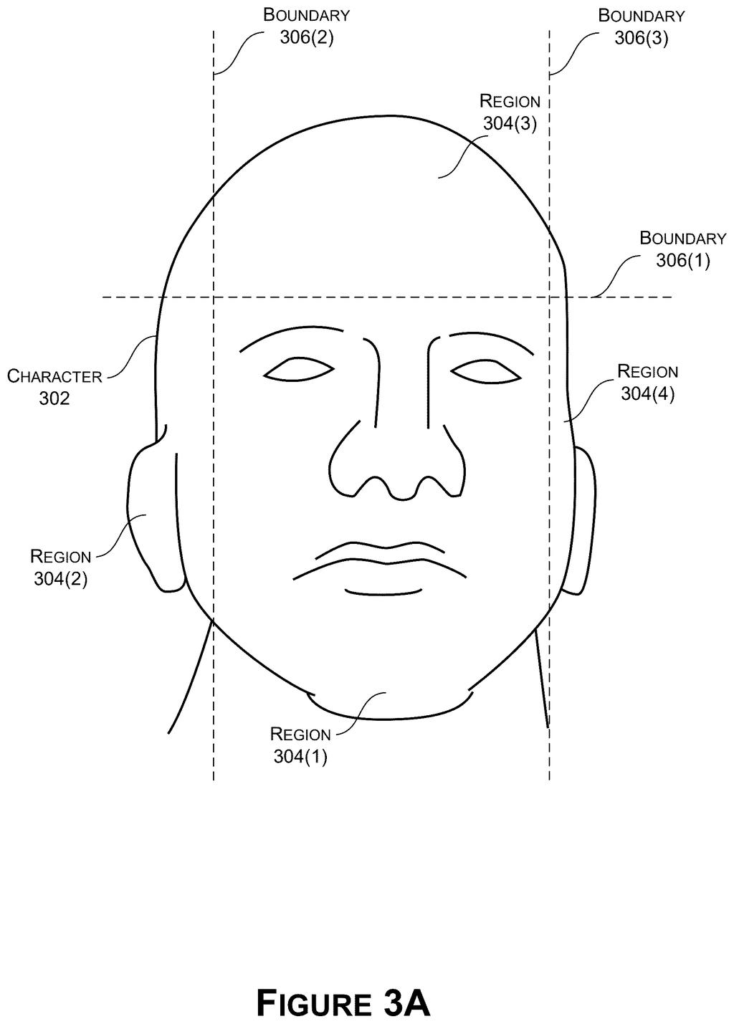
What Nvidia's character state-switching system actually does
Ever noticed how an AI assistant's face sometimes jumps or freezes right before it starts talking back to you? That's the moment it switches from playing a pre-recorded loop to generating a live response, and the visual seam shows.
Nvidia's patent describes a system that hides that seam. A virtual character cycles through three states: idle (just sitting there), transition (getting ready to respond), and interactive (actively talking back). The trick is that the AI pre-generates the frames it will need for the interactive state while the character is still in the idle or transition state, so there's no visible jump when the switch happens.
The system keeps the character's body position and head pose consistent across that handoff. So instead of a snap from one pose to another, you get what feels like a single, continuous performance.
… generating, during at least a portion the first period of time and based at least on one or more neural networks processing first data representing the one or more second poses and second data associated with speech for the character, one or more third frames representing the character using the one or more second poses; …
Translation: The AI creates upcoming video frames in advance using neural networks and speech data to ensure the character does not glitch.
How the neural network pre-generates frames during idle time
The patent describes a three-state rendering pipeline for interactive virtual characters, with the goal of making state transitions invisible to the viewer.
- Idle state: The character plays pre-recorded video frames. No AI generation is happening yet; this is efficient and costs little compute.
- Transition state: The character is still showing recorded frames, but the system has started reading ahead into the recorded footage to identify what body poses and head positions come next.
- Interactive state: The character is now responding in real time, using frames produced by a neural network (a type of AI model trained to generate video). These frames are built to match the pose data extracted during the transition state, so the body position looks continuous.
The key mechanism is that frame generation starts during the transition state, not after it. The neural network is fed two streams of data: information about the character's upcoming poses (extracted from the recorded video) and audio or speech data for whatever the character is about to say. It produces new video frames that blend into the recorded footage without an obvious cut.
This approach avoids a common failure mode where the AI-generated head or body snaps into a different position the moment live generation kicks in.
To maintain a smooth transition between the operating states, poses associated with the character may be maintained, even when transitioning switches from recorded frames to newly generated frames.
Translation: Keeping track of body positions prevents visual hiccups when the system switches from recorded video to AI generated animation.
What this means for AI avatars in games, apps, and assistants
For anyone using an AI-powered virtual assistant, customer service avatar, or in-game character that talks back to you, the visible glitch at the moment it starts responding is one of those small annoyances that makes the whole experience feel less trustworthy. This system is designed to eliminate that moment entirely.
Nvidia has been filing around AI character and avatar rendering since at least 2023, and this patent fits a pattern of making generated video feel as polished as pre-recorded footage. The practical payoff is that interactive AI characters in enterprise kiosks, games, or companion apps could hold a screen presence closer to what you'd expect from a human on video, rather than something that visibly switches modes.
Nvidia's 24th filing we've tracked since May on turning text into 3D characters adds to a body of work that includes one on faster data files and one on poseable 3D figures.
Anyone who has used a virtual assistant with a face knows the moment: you finish speaking, and the character lurches into its response like a car stalling before it accelerates. It breaks the illusion instantly, and once you notice it, you cannot stop noticing it.
What this patent describes is a fix for that specific moment. The system prepares the visual handoff before it is needed, making sure the character's posture at the end of its waiting animation connects smoothly to wherever its response animation begins.
For a user, the payoff is simply that the character feels like one continuous thing rather than two separate animations stitched together under pressure. That may sound minor, but it is the difference between a product that earns trust and one that undermines it every time someone tries to use it.
There are more where this came from
We read every patent application Big Tech publishes and send you the ones worth knowing. Plain English, free, every week.
The drawings
16 drawing sheets from US 2026/0301289 A1 · click any drawing to enlarge


Want this weekly breakdown for a company we don't cover? Patentlyze Pro →
Be the first to weigh in