
Nvidia Patents Smarter Road Sign Detection Technology for Self-Driving Vehicles
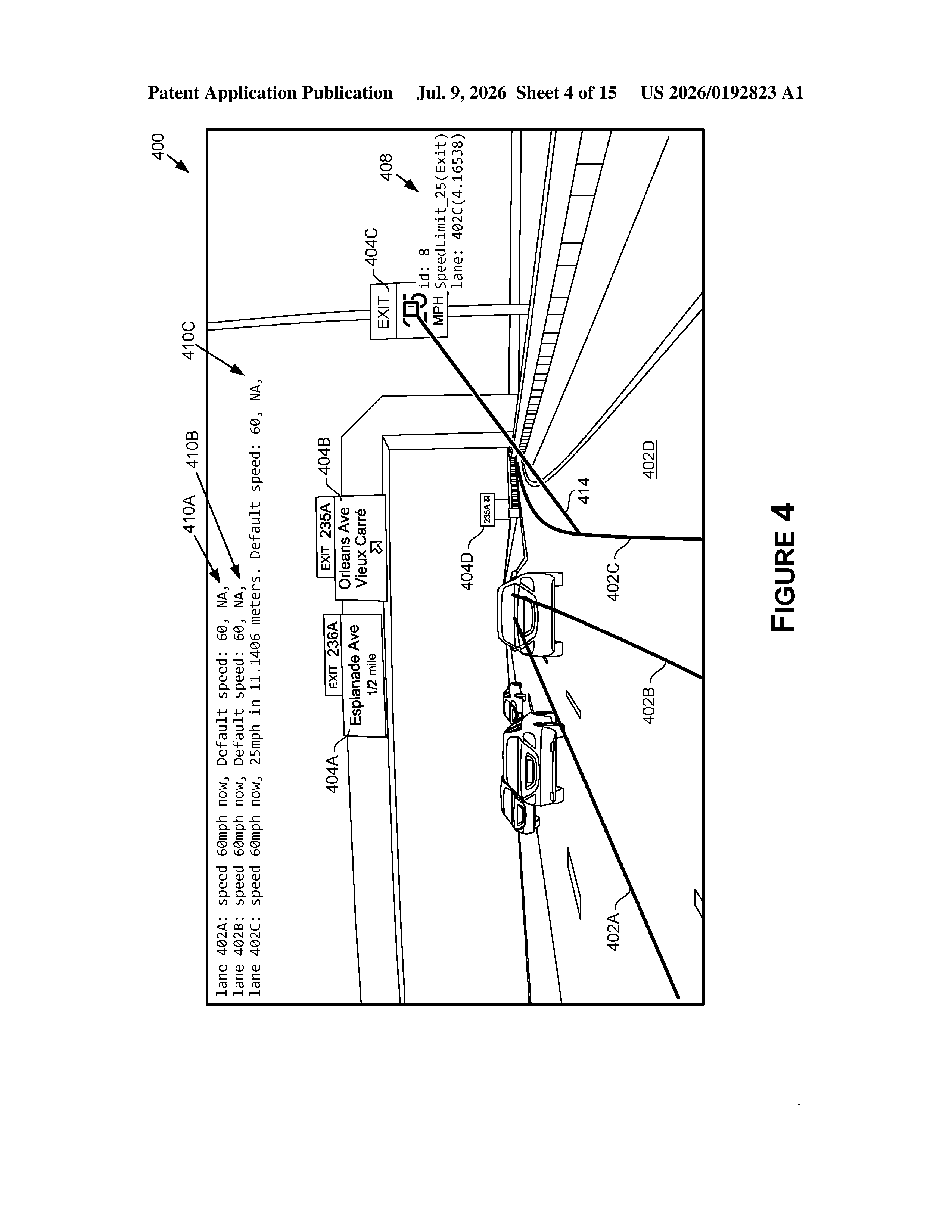
A highway exit might have a 'trucks only' sign that applies to one lane but not the three next to it. Getting that wrong at highway speed is a real problem, and Nvidia has filed a patent for a system that figures out exactly which lanes a sign is talking about.
How Nvidia's sign-to-lane matching actually works
Imagine you're driving on a highway with four lanes, and a sign says 'no trucks' or 'speed limit 45.' That sign might only apply to the right two lanes, not the left ones. For a human, figuring that out is intuitive. For a self-driving car, it can be surprisingly tricky.
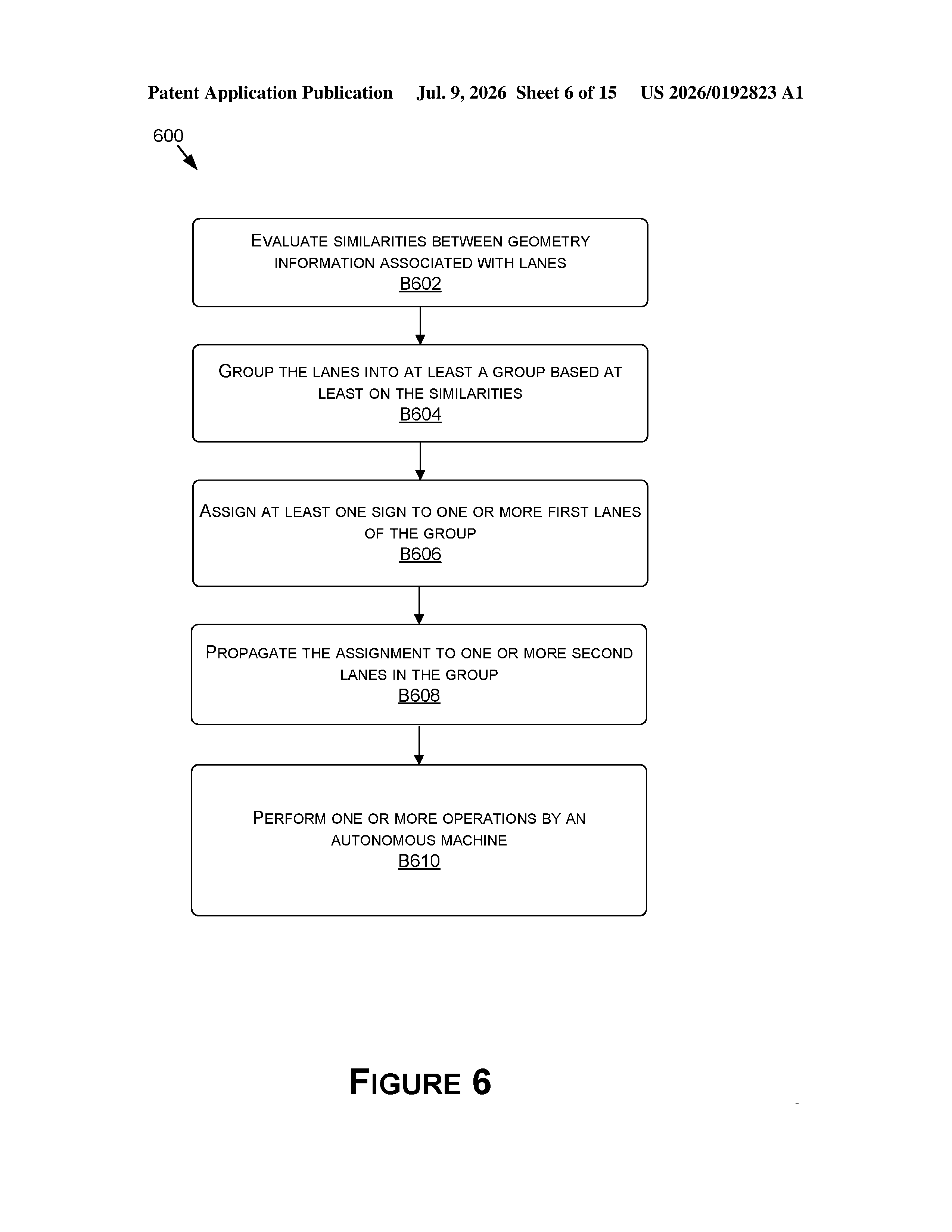
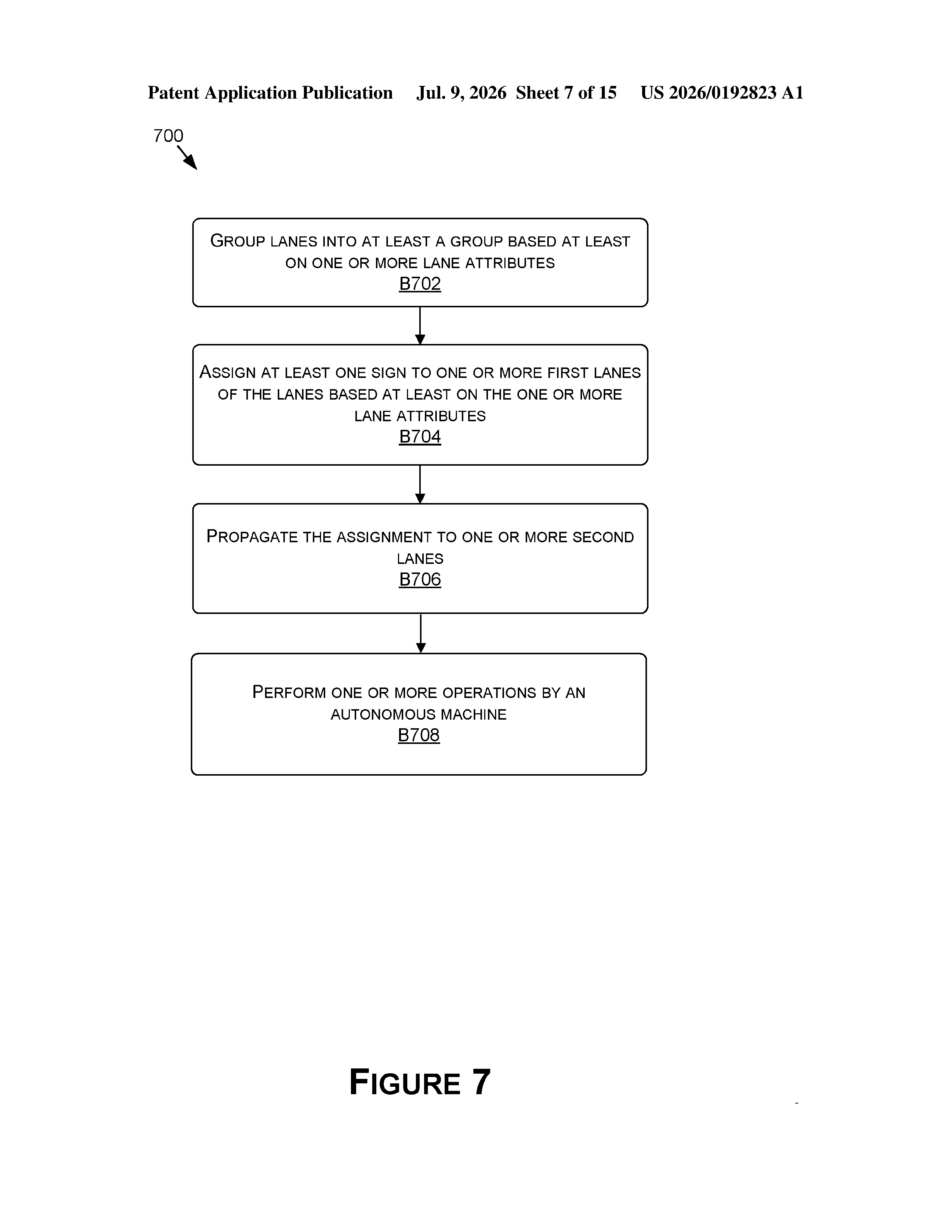
Nvidia's patent describes a system that first assigns a sign to the most relevant lane based on how closely the lane matches the sign's location and attributes. Then, if a neighboring lane is similar enough, the car propagates (or copies) that sign's meaning to that lane too, so the vehicle knows the rule applies there as well.
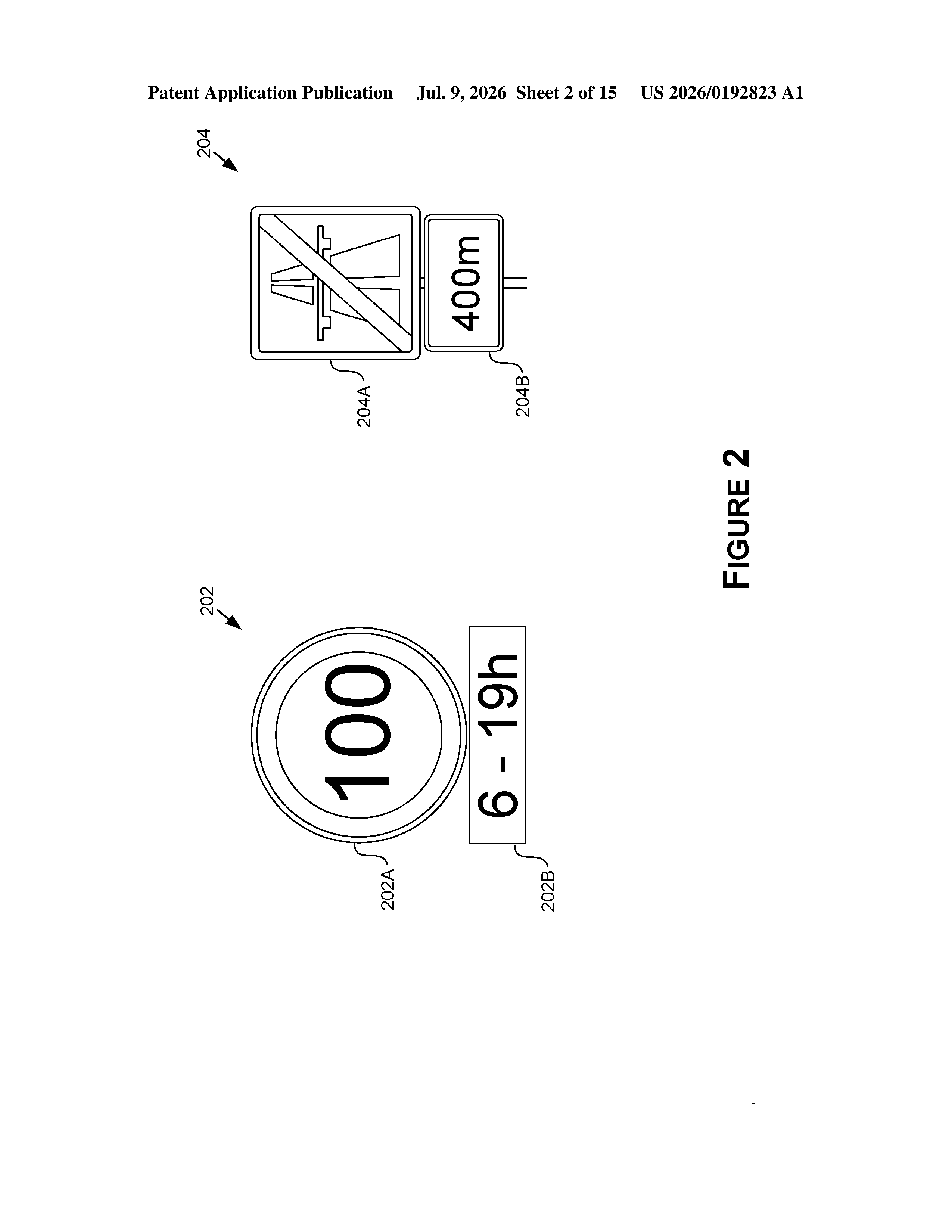
The system also handles compound signs, like a speed limit paired with an hours-of-operation notice, treating them as a single bundle of instructions. Once all the sign-to-lane connections are made, the car uses that information to decide when to brake, steer, or accelerate.
How the system scores and propagates sign assignments
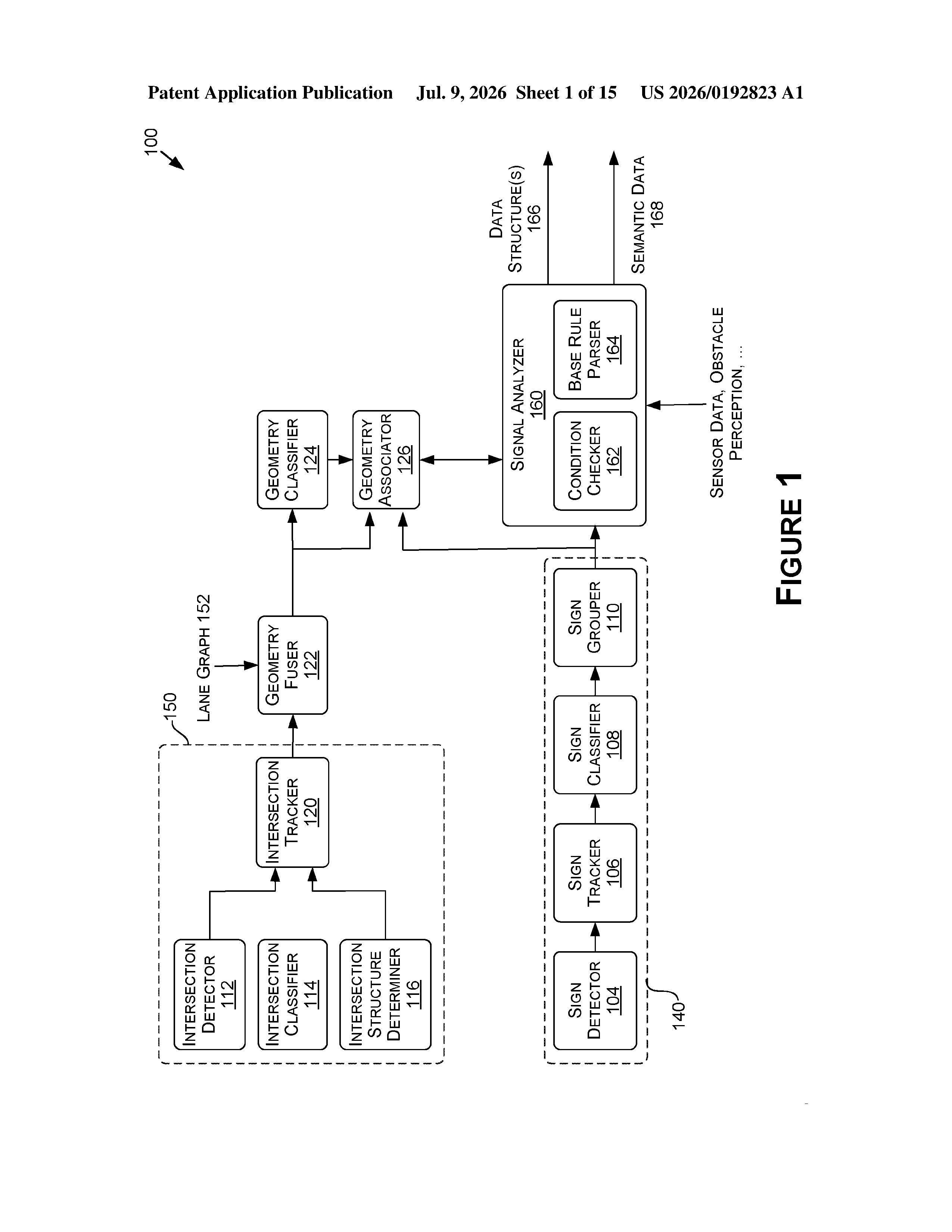
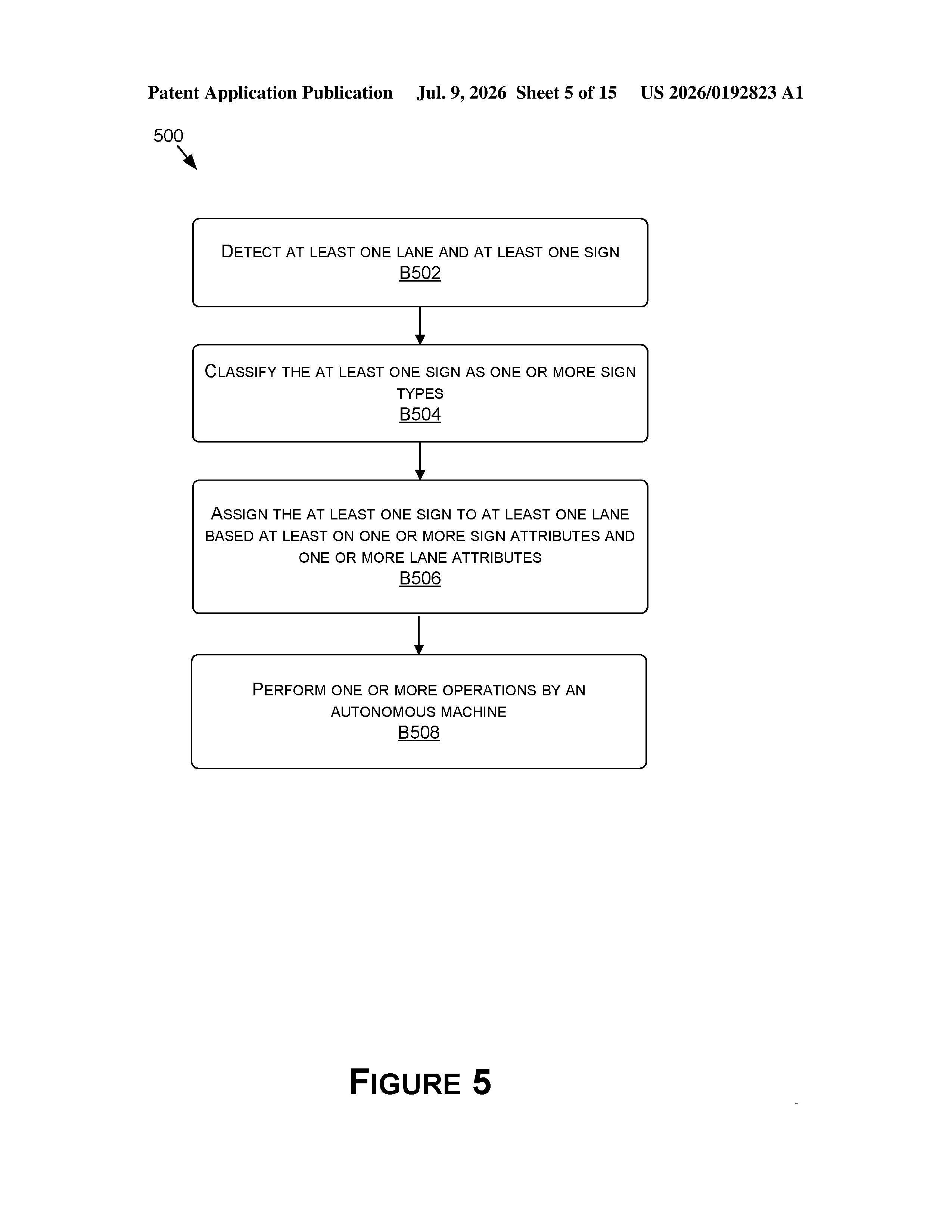
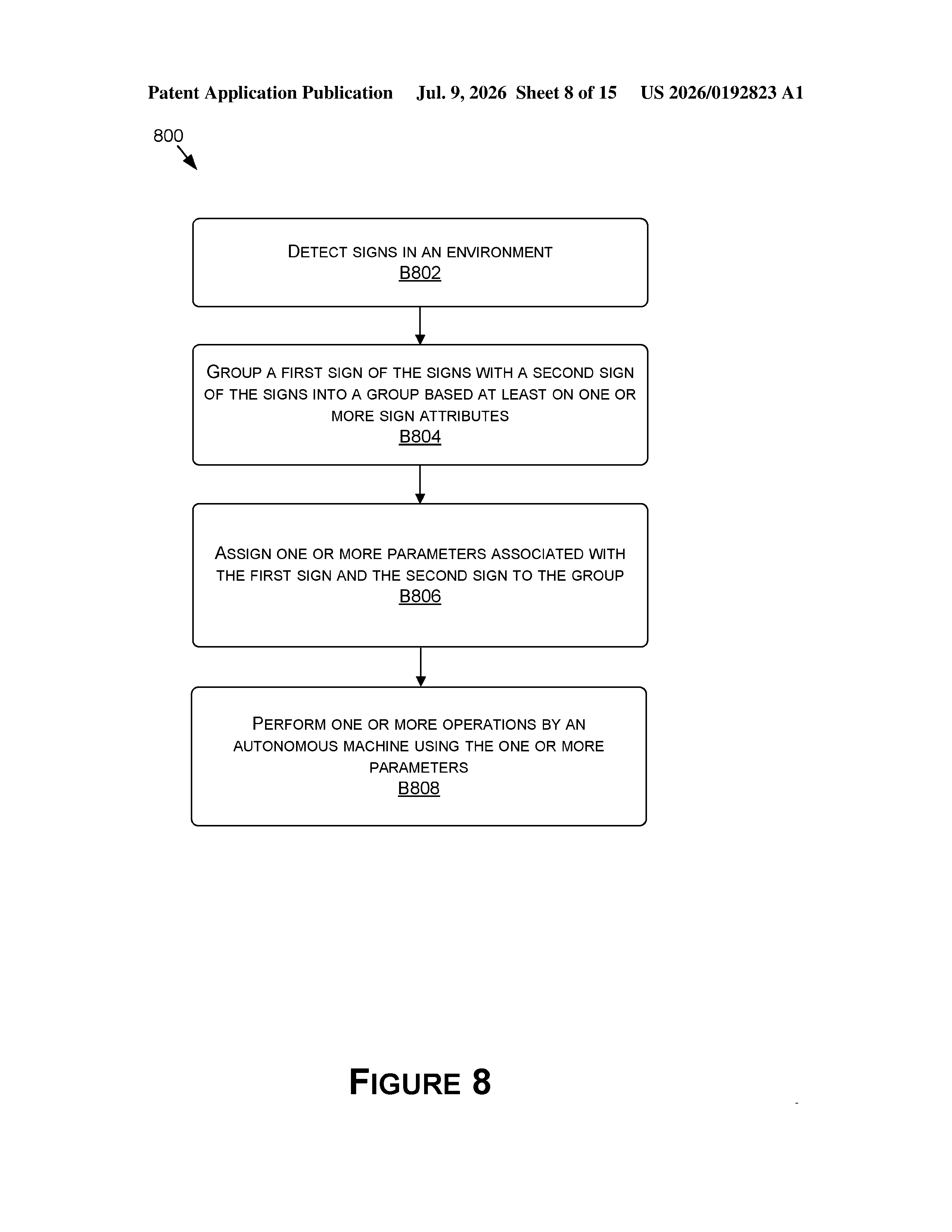
The patent describes a pipeline built into an autonomous or semi-autonomous vehicle that connects road signs to specific lanes, and then spreads that connection to nearby lanes when appropriate.
Step one is assignment. The vehicle's sensors observe a sign and score each nearby lane based on a "matching score" that weighs physical proximity, lane direction, and other attributes. The sign gets assigned to whichever lane scores highest, provided that lane also meets certain hard constraints (rules that cannot be overridden, like a sign physically facing away from a lane).
Step two is propagation. Once a sign is tied to one lane, the system checks neighboring lanes to see if they are similar enough to inherit the same sign. It evaluates lane attributes (things like lane type, direction of travel, and road class) against propagation criteria. If a neighboring lane clears that threshold, the sign's semantic meaning is copied to it as well. This works at the level of whole lanes or individual lane segments.
Step three is action. With signs correctly mapped to lanes, the vehicle uses that combined picture to control braking, steering, and acceleration. The patent also covers
- Compound signs (multiple stacked panels treated as one unit)
- Segment-level assignment within a single lane
- Grouping lanes into sets before running the matching logic
What this means for self-driving car reliability
Self-driving cars already struggle with edge cases around road signs: construction zones, temporary restrictions, lane-specific rules. A system that reasons about which lane a sign actually governs, rather than treating every nearby sign as universally applicable, reduces the chance of a car following a rule that was never meant for it, or ignoring one that was.
For Nvidia, whose DRIVE platform powers autonomous vehicle systems from multiple automakers, a stronger sign-to-lane pipeline is foundational infrastructure. Getting this right matters more as vehicles operate in dense urban environments where signs overlap and lane configurations change block by block.
This is exactly the kind of unglamorous perception problem that separates a demo vehicle from one that can handle a real city. The matching-and-propagation approach described here is methodical and specific enough to suggest it comes from real-world failure cases, not theory. It won't make headlines, but it's the sort of thing that makes self-driving cars actually usable.
There are more where this came from
We read every patent application Big Tech publishes and send you the ones worth knowing. Plain English, free, every week.
The drawings
15 drawing sheets from US 2026/0192823 A1 · click any drawing to enlarge
Want this weekly breakdown for a company we don't cover? Patentlyze Pro →
Be the first to weigh in