
Qualcomm Patents Object-Aided Localization That Works With Incomplete Visual Data
Most localization systems need a complete, clean view of a known object to figure out where they are. Qualcomm's new patent describes a way to work even when your camera only catches part of the picture.
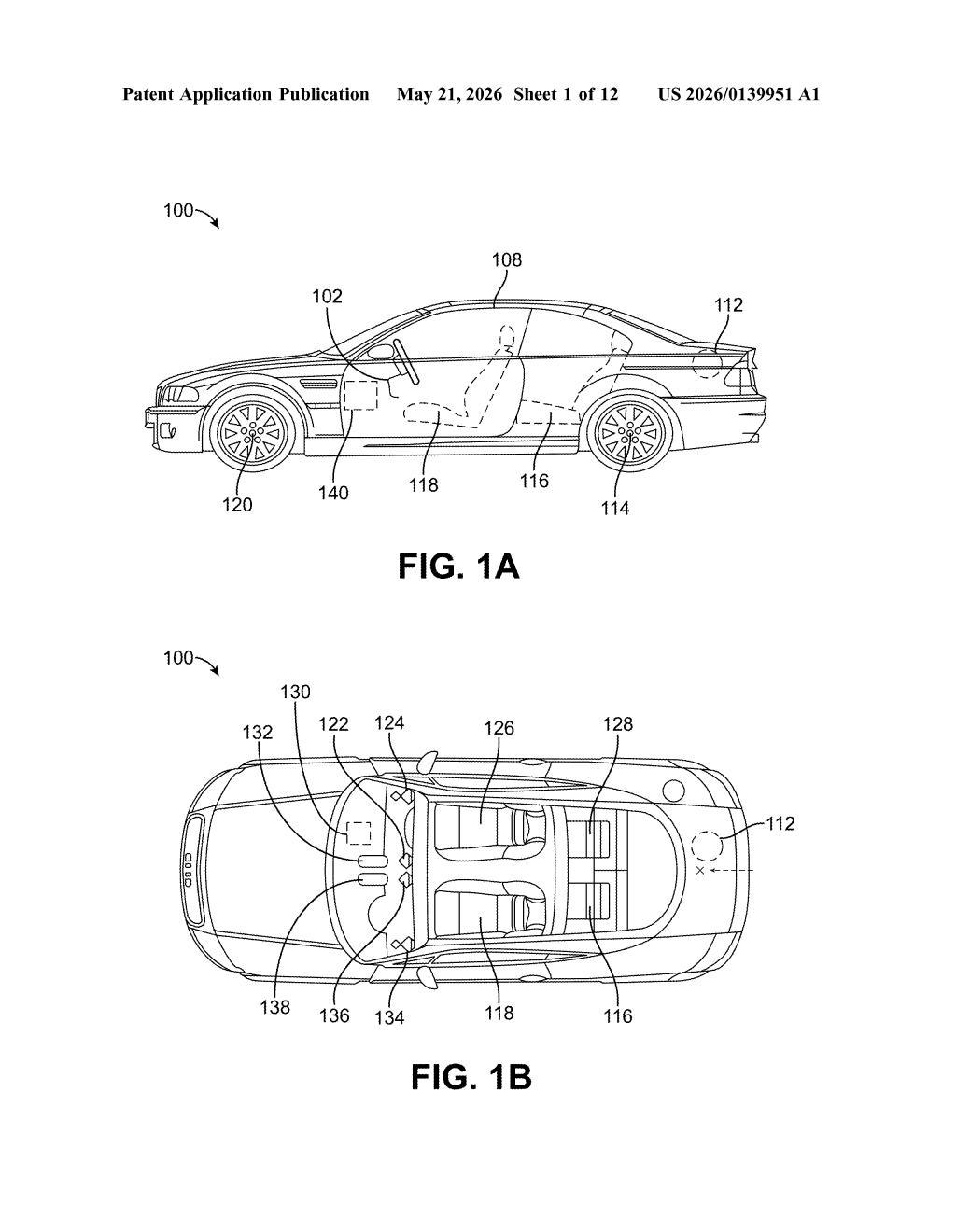
How Qualcomm's camera-based positioning actually works
Imagine you're driving through a city and your car's navigation system is trying to figure out exactly where it is on the map. One way to do that is to look at objects in the camera feed — a sign, a building corner, a parked car — and match them against a pre-built map. The problem? The camera doesn't always get a perfect, complete view of those objects.
Qualcomm's patent describes a smarter matching process. Instead of requiring a full, ideal image of a known object, the system takes partial point data from whatever the camera can see, estimates where those points should be given the camera's current position, and then checks if that estimate lines up with the stored map. If it does, the match is accepted and used to nail down the device's location.
This matters most in real-world conditions — where objects are partially blocked, the camera angle is imperfect, or the scene is cluttered. It's a practical engineering fix to a very common failure mode in visual positioning systems.
How the map point comparison drives localization
The system starts with two inputs: a pre-built map of the environment (containing stored "map points" representing known objects) and live image data from a camera, which comes tagged with a camera pose (the estimated position and orientation of the camera at the moment the image was taken).
From the image, the system extracts point information — essentially coordinate data describing two or more visible points on an object in the frame. It then uses the camera pose to estimate where those points would sit in 3D space, producing what the patent calls an estimated point.
The core decision step is a comparison between this estimated point and the corresponding map point. If the two align closely enough, the system "associates" the image points with the map point — confirming a match. That confirmed match is then fed into the localization calculation to determine where the apparatus actually is.
- Map point: a stored 3D location of a known environmental feature
- Camera pose: the device's best current guess of its own position and orientation
- Estimated point: a predicted 3D location derived from the camera pose and raw image data
- Association: the confirmed link between image data and map data that drives localization
The key innovation is tolerating incomplete object information — the system doesn't need to fully recognize or reconstruct the entire object, just enough matching points to make a confident association.
What this means for autonomous vehicles and robotics
Visual localization is central to autonomous vehicles, drones, and AR headsets — any device that needs to know precisely where it is in the physical world. Current systems often break down when objects are partially occluded, at odd angles, or only partly within the camera frame. This patent attacks that fragility directly by decoupling the localization decision from requiring a complete object representation.
For Qualcomm specifically, this fits squarely into their push to put compute into vehicles and edge devices running Snapdragon platforms. A localization algorithm that degrades gracefully under imperfect conditions is more deployable in the messy real world — and that's where Qualcomm's automotive and robotics ambitions are headed.
This is solid, unglamorous engineering that solves a real problem in visual localization. It won't make headlines as a product announcement, but the underlying technique — tolerating incomplete object data during map-point association — is exactly the kind of robustness work that separates demo-quality autonomy from production-quality autonomy. Worth keeping an eye on if you follow Qualcomm's automotive or robotics roadmap.
There are more where this came from
We read every patent application Big Tech publishes and send you the ones worth knowing. Plain English, free, every week.
Want this weekly breakdown for a company we don't cover? Patentlyze Pro →