
Samsung Display Patents an Optical Control Module for Anti-Reflection Screens
Samsung Display is patenting a multi-layer optical system designed to cut down on reflections in display panels — the kind of annoying glare that washes out your screen in bright sunlight or under office lights.
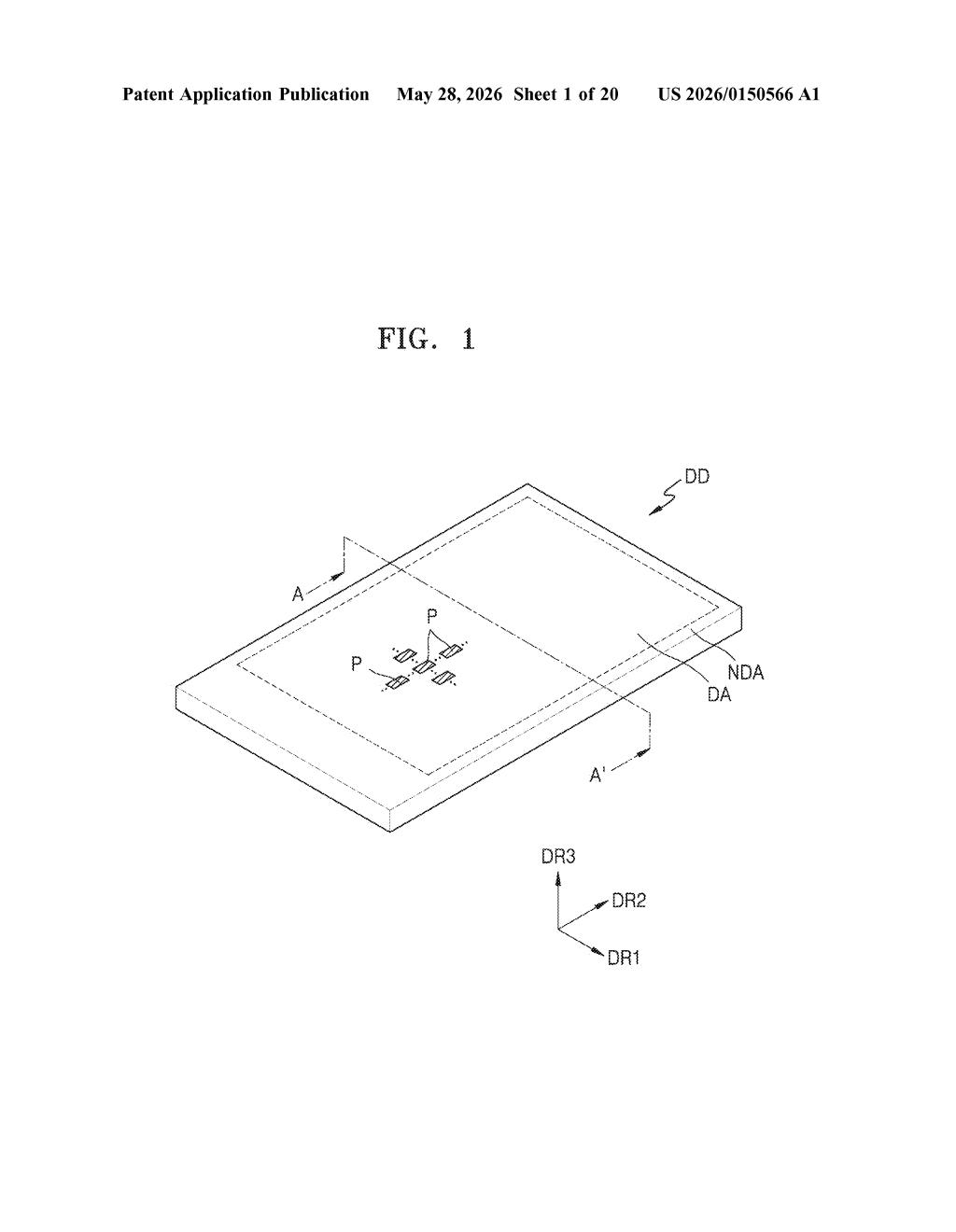
What Samsung's anti-reflection display stack actually does
Imagine trying to read your phone outside on a sunny day — the screen looks washed out because light bounces right off it back into your eyes. Anti-reflection tech is how display makers fight that problem, and this patent is Samsung Display's take on a more precisely engineered version of that solution.
The patent describes a display device that stacks several carefully tuned optical layers on top of the display panel itself. There's a set of color filters that sit in an anti-reflection layer, plus a specially oriented film layer and a phase difference layer — thin sheets that control how light waves travel through the screen.
Think of it like polarized sunglasses for your display: each layer is aligned so incoming ambient light gets absorbed or redirected rather than bouncing straight back at you. The end result, in theory, is a screen that stays vivid and readable even in challenging lighting conditions.
How the phase difference layer and color filters cut glare
The patent covers a display device built around what Samsung calls an optical control module — a stack of films and filters positioned on top of the main display panel.
The key components are:
- A first film layer with a defined optical axis aligned to a stretching direction — essentially a polarizer-like film oriented along a specific angle to control how light passes through it.
- A phase difference layer (also called a retardation layer) placed on top of the anti-reflection layer. Phase difference layers work by shifting the phase of light waves — think of it like slowing one polarization of light relative to another — which is how circular polarizers on OLED screens kill reflections.
- An anti-reflection layer containing a plurality of color filters, which selectively absorb ambient light wavelengths that would otherwise reflect off the panel's electrode structures.
Combined, these layers intercept ambient light before it can bounce off internal metal surfaces in the display and come back out toward the viewer. The precise alignment of the optical axis in the first film layer is central to how the whole stack performs together.
What this means for OLED and future Samsung displays
For Samsung Display — which supplies OLED panels to Samsung's own Galaxy devices, Apple, and others — improvements in anti-reflection optics directly affect how good screens look in real-world conditions. Thinner, better-performing anti-reflection stacks can also help reduce the total thickness of a display module, which matters a lot in foldables and ultra-thin phones.
That said, this is a fairly foundational component-level patent. It's not describing a finished product or a dramatic new display technology — it's more like an incremental refinement in how optical layers are structured and stacked. Engineers and display-stack designers will find it interesting; casual readers can file it under 'Samsung continues to invest in display fundamentals.'
This is solid display engineering work, but it's not a headline-grabber. Samsung Display patents optical layer configurations regularly, and this one reads as an incremental improvement to existing anti-reflection stack design rather than a new display paradigm. It matters more to panel engineers than to consumers — but if it makes future OLED screens less reflective, you'll notice it every time you check your phone outside.
There are more where this came from
We read every patent application Big Tech publishes and send you the ones worth knowing. Plain English, free, every week.
Want this weekly breakdown for a company we don't cover? Patentlyze Pro →