
IBM Patents a System That Predicts Quantum Computer Resource Needs Before Jobs Run
Running a program on a quantum computer is a lot like cooking a meal you've never made before — you're not sure how many pots, burners, or minutes you'll need until you're already halfway through. IBM wants to fix that by predicting resource needs before the job even starts.
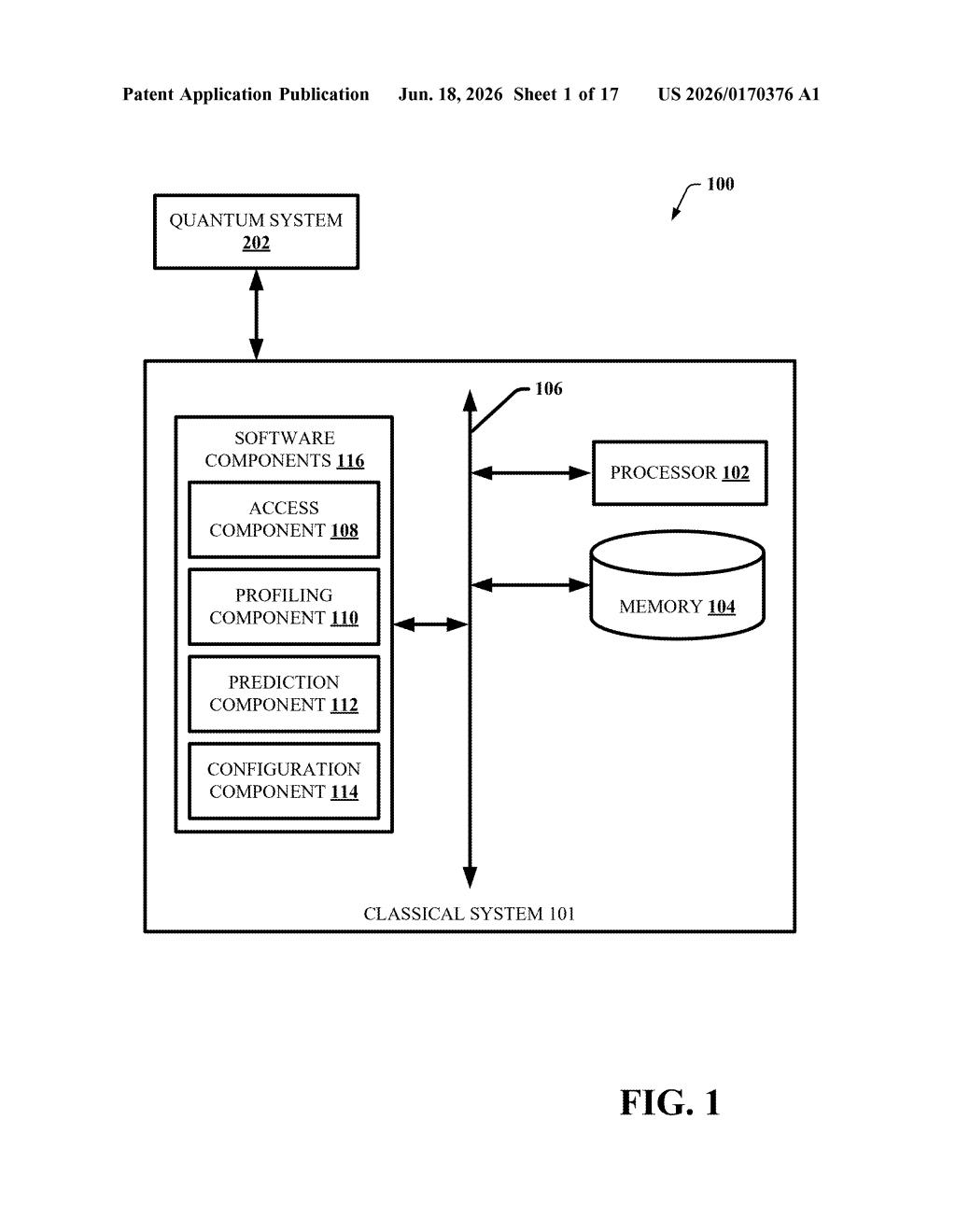
What IBM's quantum resource predictor actually does
Quantum computers don't work alone. They rely on a mix of regular (classical) computing components and quantum chips, and coordinating those two sides efficiently is genuinely hard. Right now, systems often find out they're running low on resources in the middle of a job — which can slow things down or cause errors.
IBM's patent describes a system that looks at historical data about how a quantum job has been running and builds a prediction — essentially a forecast — of what resources the job will need next. It works the same way a weather app forecasts rain: it uses patterns from the past to make an educated guess about the near future.
Based on that forecast, the system automatically shifts resources — memory, processing power, and so on — between the classical and quantum sides of the setup. The goal is to keep everything balanced and running smoothly without a human having to micromanage every step.
How the hybrid time-series model builds its forecasts
The patent describes a predictive profiling framework for quantum computing environments. At its core, the system builds a profiling matrix — essentially a structured table of measurements tracking how a quantum job is consuming resources over time.
That matrix is fed into a hybrid time series model (a forecasting algorithm that mixes two or more prediction techniques — think of it like combining a trend line with a seasonal adjustment in financial modeling). The model generates a profiling prediction: a forward-looking estimate of what resources the quantum environment will need during the next slice of execution.
Once the prediction is ready, the system uses it to allocate resources between:
- Classical components — standard processors, memory, and software running alongside the quantum hardware
- Quantum components — the actual qubits and quantum circuits doing the specialized computation
The allocation happens dynamically, per execution segment, rather than being set once at the start of a job. That means the system can adapt mid-run as conditions change — a meaningful improvement over static pre-allocation, which often wastes capacity or runs short at critical moments.
What this means for the future of quantum cloud services
Quantum computing's practical bottleneck right now isn't just qubit quality — it's orchestration. Classical and quantum components have very different resource profiles, and poorly timed allocation is one of the main reasons hybrid quantum jobs fail or underperform. A system that can accurately forecast and pre-position resources could meaningfully improve reliability and throughput on quantum cloud platforms like IBM Quantum.
For users running research workloads or enterprise experiments on quantum hardware, this kind of behind-the-scenes resource management could mean fewer failed jobs and faster results — without needing to understand the underlying scheduling at all. That's the kind of infrastructure work that rarely gets headlines but tends to determine whether a technology becomes practically useful.
This is unglamorous plumbing work, but it's exactly the kind of problem that holds quantum computing back from broader adoption. IBM filing on predictive resource allocation signals they're thinking seriously about production-quality quantum operations, not just raw qubit counts. Whether the forecasting model is accurate enough to matter in real workloads is the real question — and that won't be answered by reading a patent.
There are more where this came from
We read every patent application Big Tech publishes and send you the ones worth knowing. Plain English, free, every week.
Want this weekly breakdown for a company we don't cover? Patentlyze Pro →