
IBM Patents a System That Skips Repeat Security Scans When Code Already Has a Clean Bill of Health
Every time a developer pushes code, security tools scan it from scratch, even if nothing changed. IBM's new patent describes a way to remember previous scan results and skip the repeat work entirely.
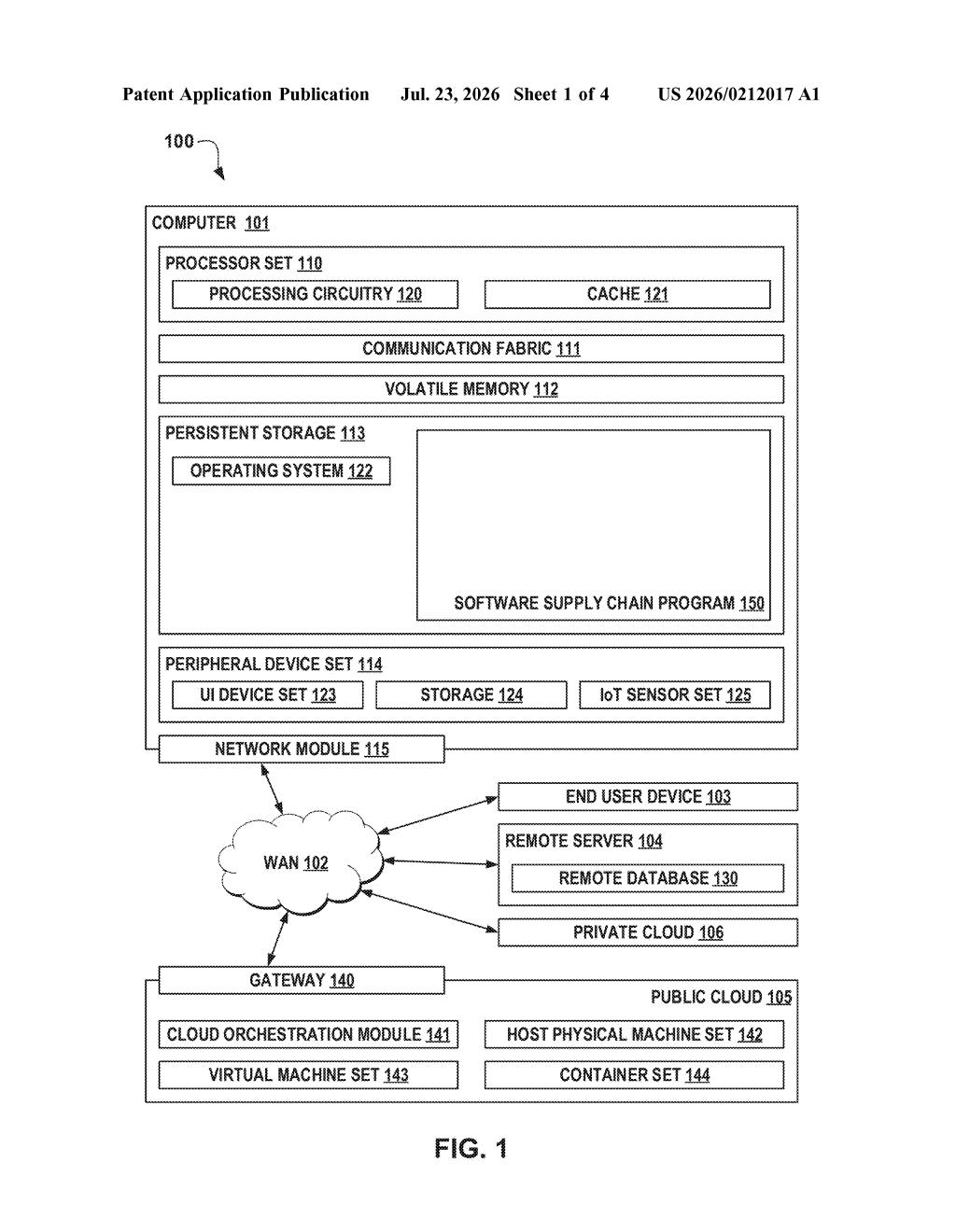
What IBM's scan-reuse system actually does for developers
Imagine your company's security team checks every package that comes through the front door. Now imagine the same box arrives twice in a week, and they inspect it all over again as if they've never seen it before. That's essentially what happens today when software pipelines run security scans on code that hasn't changed.
IBM's patent describes a system that assigns each piece of code a unique fingerprint when it's first scanned. The results of that scan are saved as evidence. The next time that same code shows up in a different pipeline or workflow, the system checks whether valid evidence already exists. If it does, the second scan is skipped entirely.
The practical effect is that software teams spend less time waiting on redundant security checks, and their build pipelines move faster. The system doesn't blindly trust old results, though. It validates whether the stored evidence still holds before deciding to skip the scan.
How IBM fingerprints code and validates cached scan evidence
The patent describes a workflow built around software supply chain security (the process of verifying that code and its dependencies are safe before they're deployed).
When a developer opens a pull request (a formal proposal to add new code to a shared codebase), the system runs a full security scan on the submitted code and generates a unique ID tied to both the code and the scan results. That ID and its associated evidence are stored.
When the pull request is merged and a second automated pipeline kicks off, the system generates a unique ID for the code at that stage as well. It then checks whether evidence from an earlier scan already covers this exact code:
- If matching evidence exists, the system validates it against one or more validation factors (criteria like age, source, or scope of the original scan).
- If the evidence passes validation, the second scan is skipped.
- If no valid evidence is found, a full scan runs as normal.
The fingerprinting approach means two pieces of code that are byte-for-byte identical will share a match, even if they arrived through different developers or branches.
What this means for software teams running constant security checks
For software teams running continuous integration pipelines (the automated systems that build, test, and scan code dozens of times a day), security scans are often the slowest step. Skipping redundant scans on unchanged code could meaningfully cut pipeline wait times, which adds up across large engineering organizations.
More broadly, this fits into the growing field of software supply chain security, which became a serious industry concern after high-profile incidents like the SolarWinds attack showed how compromised build pipelines could affect thousands of downstream users. IBM is positioning this patent as a way to make security checks both faster and more consistent, by ensuring scan results are formally recorded and reusable rather than disposable.
This is a practical, unglamorous optimization for a real pain point in enterprise software development. It won't make headlines outside of DevOps circles, but for large organizations running hundreds of pipelines a day, shaving scan time off each run has genuine business value. The more interesting question is whether IBM ships this in a product like its Verify or DevSecOps tooling.
There are more where this came from
We read every patent application Big Tech publishes and send you the ones worth knowing. Plain English, free, every week.
The drawings
4 drawing sheets from US 2026/0212017 A1 · click any drawing to enlarge


Want this weekly breakdown for a company we don't cover? Patentlyze Pro →
Be the first to weigh in