
Sony Patents Real-Time Environmental Reflections for AR Virtual Objects
One of the biggest reasons AR objects look fake is that they don't reflect the world around them. Sony's latest patent tackles exactly that — generating real-time reflections of your actual environment onto the surface of virtual 3D objects.
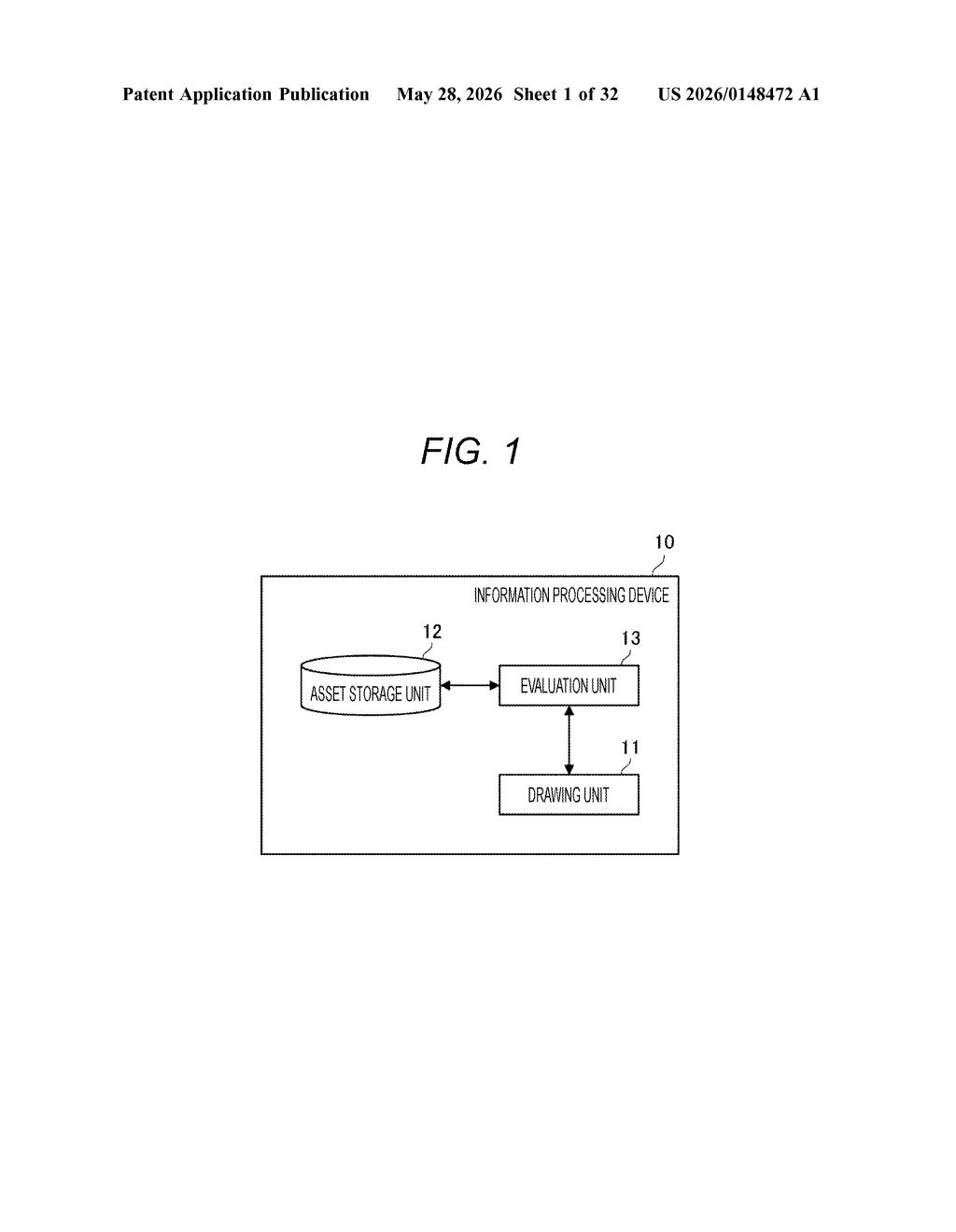
How Sony makes AR objects look like they belong in the room
Imagine holding up your phone or wearing AR glasses and seeing a virtual gold watch sitting on your desk. Right now, that watch would look weirdly flat or plasticky — because it has no idea what light sources or colors surround it. It's just floating there, disconnected from reality.
Sony's patent describes a system that fixes this. It captures a live image of your surroundings and wraps that image around an invisible 3D box. When the system needs to draw a shiny or reflective surface on a virtual object, it figures out which part of that box your eye would logically see reflected — based on the object's surface angle and where you're looking from — and paints that slice of the real world onto the virtual surface.
The result is a virtual object that picks up real highlights, color casts, and environmental tones as you move around it. It's the same basic trick used in big-budget movie VFX and video game engines, but Sony is claiming a method to do it fast enough to run live on a device processing a real-time camera feed.
How the reflection mapping cube derives partial regions
The patent describes two core components working together.
First, a mapping unit takes a live camera feed of your surroundings and projects it onto the inner surfaces of a predefined three-dimensional body — think of it as an invisible cube or sphere enclosing the scene. This is essentially an environment map (a standard technique in graphics where you bake the world into a texture), but done continuously in real time rather than as a pre-captured static image.
Second, a reflection drawing unit calculates which portion of that mapped environment cube should appear as a reflection on a given virtual object's surface. To do this, it factors in two things:
- The surface characteristic of the virtual object — is it a mirror-smooth metal, a soft diffuse plastic, or something in between?
- The line-of-sight direction of the user — where your eye is relative to the object changes which part of the environment map would physically reflect toward you.
Using those inputs, the system derives the relevant partial region of the environment cube and composites it onto the virtual object's surface as a reflected image. The key claim is that this whole pipeline runs in real time — the environment map updates continuously as the camera sees the world change, keeping reflections plausible frame by frame.
What this means for Sony's AR and XR product ambitions
The realism gap in consumer AR has always been about lighting and reflections. Your brain immediately spots a virtual object that ignores the light in the room — it looks pasted on, not present. A real-time reflections system like this one is a meaningful step toward AR objects that feel physically grounded, which matters enormously for use cases like virtual product try-ons, spatial computing interfaces, and mixed-reality games.
Sony has clear hardware stakes here: the PlayStation VR2, its XR research division, and potential future smart glasses or headsets all benefit from better AR rendering pipelines. Whether this specific approach ships in a consumer device soon or lives in a research lab for now, it signals Sony is actively investing in the perceptual fidelity layer of AR — not just the display or tracking hardware.
This is solid, focused AR rendering work — not flashy as a headline, but it addresses a real and well-known problem in spatial computing. The environment-map-plus-line-of-sight approach is conceptually established in 3D graphics, so the novelty here is in the real-time, camera-driven, per-frame execution claimed for AR overlays. Worth tracking as Sony's AR hardware ambitions become clearer.
There are more where this came from
We read every patent application Big Tech publishes and send you the ones worth knowing. Plain English, free, every week.
Want this weekly breakdown for a company we don't cover? Patentlyze Pro →