
A New Patent Builds Your 3D Avatar Gradually Through Camera Scans
Most avatar systems ask you to do a full-body scan upfront, which almost nobody actually does. Apple's latest patent describes a different approach: your phone builds a 3D version of you bit by bit, every time it sees more of you.
What Apple's gradual avatar-building system actually does
Imagine a digital version of yourself that gets more accurate every time you use your phone, without ever asking you to stand still for a 3D scan. That's the core idea here.
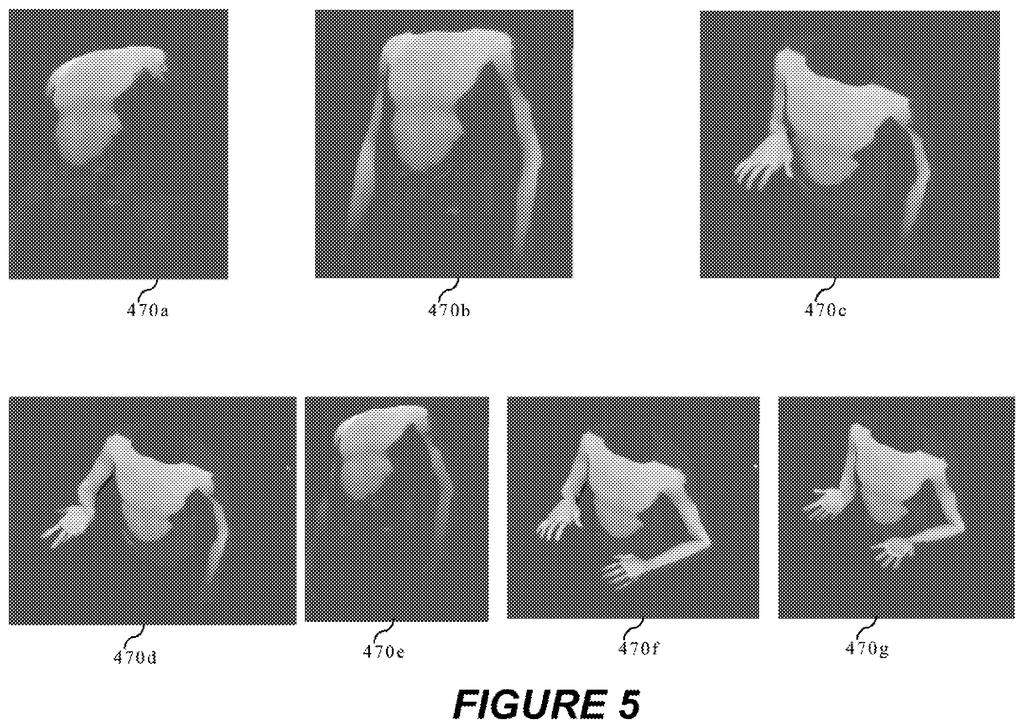
Apple's patent describes a system that uses your device's cameras to capture different parts of your body at different times. Maybe it catches your face one morning, your hands during a video call, and the rest of you during some other interaction. Over time, all of those snapshots get pieced together into a more complete 3D avatar.
The system also tracks how your appearance changes, including your expressions, so the avatar isn't frozen as a single snapshot of you. It can reflect how you actually look across different moments. The goal is a digital representation that fills in the blanks gradually, without demanding a dedicated setup session from you.
How the device stitches scans together across multiple sessions
The patent describes a method where a device's sensors collect image data across multiple separate time segments. Each session might capture a different portion of the user's body or a different facial expression, and none of them need to represent the full picture on their own.
The key mechanism is a running 3D appearance data record that updates itself each time new sensor data comes in. Rather than replacing what it already knows, the system incorporates the new information to fill gaps or refine details. This means the avatar becomes progressively more complete and more accurate without requiring a dedicated scanning session.
The patent specifically calls out that both appearance (what you look like physically) and expression (your face's current emotional state) are tracked and updated separately across sessions. So the avatar can reflect not just your general look but also different emotional states it has observed.
Finally, updated 3D data is handed off for rendering, meaning whatever app or interface is displaying your avatar can pull the latest version at any time and show the most up-to-date representation the system has built.
What this means for personalized avatars on Apple devices
The friction of setting up a realistic personal avatar has always been the main reason most people skip it or settle for a cartoon approximation. A system that builds your avatar in the background, across normal everyday device use, removes that barrier entirely. If this ends up in something like Apple's Vision Pro or even FaceTime, your avatar could become genuinely useful without you ever consciously creating it.
There's also a privacy angle worth noting. A system that collects body appearance data across multiple sessions, potentially without explicit prompting, will attract scrutiny. How that data is stored, when it's collected, and who can access it will matter a lot when this kind of feature reaches consumers.
This is a practical ambitious patent. Apple has been building avatar infrastructure across its platforms for years, and this fills in one of the most obvious weak spots: nobody wants to sit for a 3D scan. The incremental-capture approach is the right design instinct, and it's the kind of patent that tends to actually ship.
There are more where this came from
We read every patent application Big Tech publishes and send you the ones worth knowing. Plain English, free, every week.
The drawings
8 drawing sheets from US 2026/0212625 A1 · click any drawing to enlarge


Want this weekly breakdown for a company we don't cover? Patentlyze Pro →
Be the first to weigh in